Co-founded · closed
Origin Studios
Gen Z, reconnected.
- Role
- Co-founder, with my brother Liam; Komon Hayashi joined later
- Customers
- 90
- Revenue
- £1,000+
- Reach
- Millions of Instagram views
Overview
We wanted a generation raised on screens to play an imaginative game together. We found D&D to be an incredibly powerful way to do this. We wrote modern one-shot adventures designed to be finished in one session, tailored to young people and gamers. We pitched university D&D clubs, hosted events where students played our adventures, worked with influencers with hundreds of thousands of followers, and rebuilt the business model four times. We closed it well before Vital, but it's where I learned to sell, negotiate, outsource and ship on a deadline.
Why it existed
We wanted to get a generation raised on screens playing together in the same room.
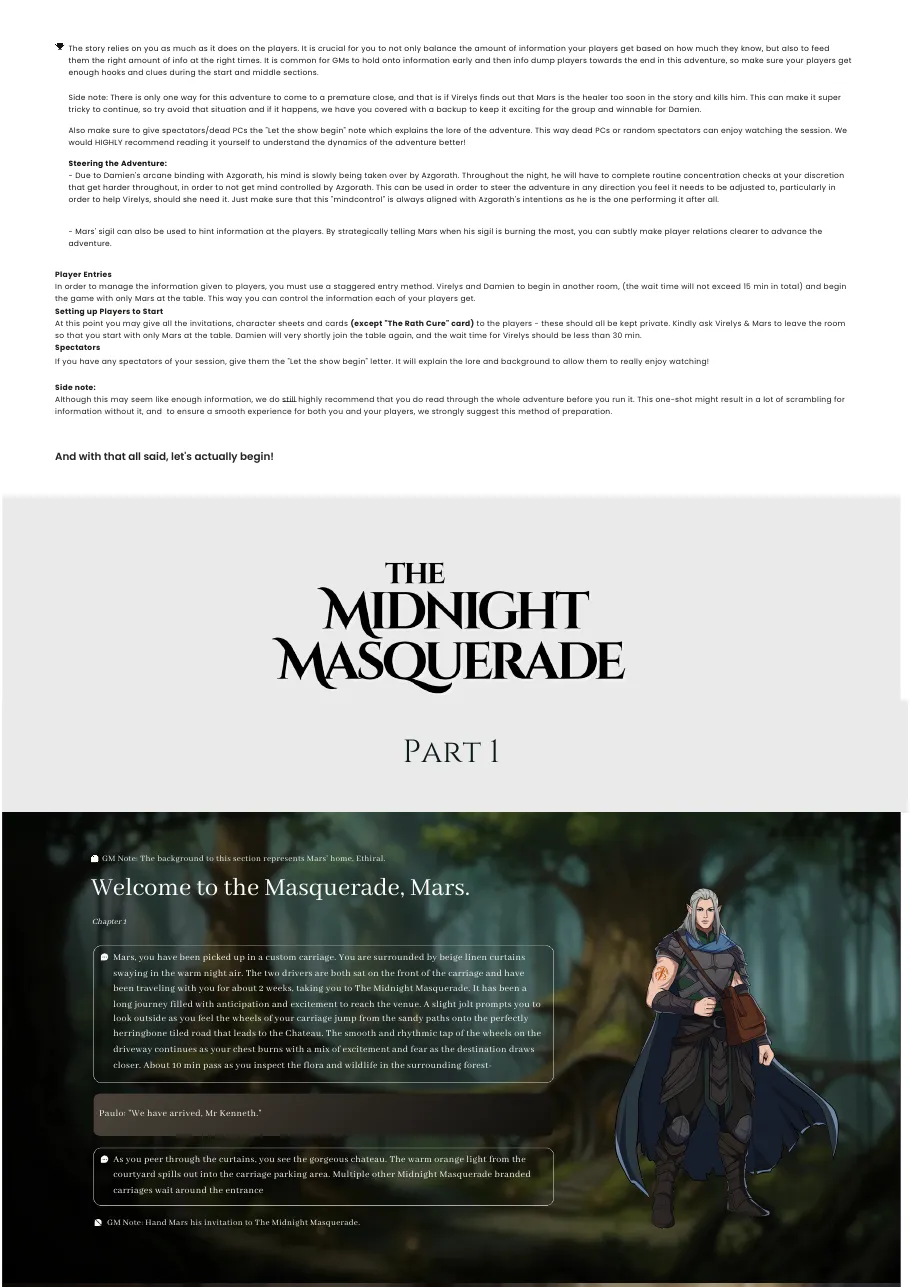
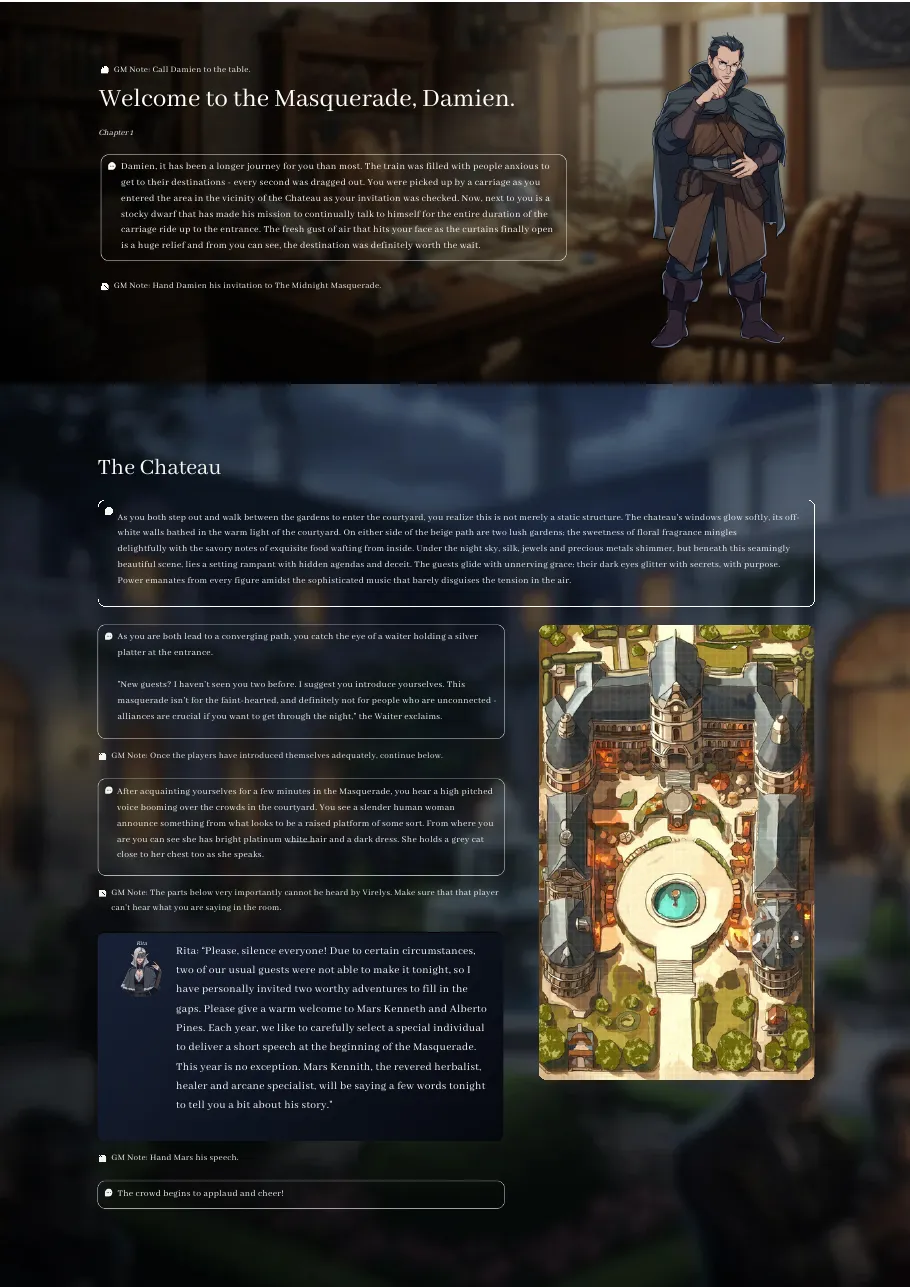
Dungeons & Dragons was the tool. Long campaigns and heavy rules put new players off, especially ones with the short attention spans of our generation. So we made short, story-rich one-shots with modern, video-game-style mechanics: fast, competitive, with overlapping stories, and easy for the DM to run without hours of prep.
The work
Most of it looked like this.
A whiteboard, a long table and long hours. This is a timelapse of my brother and me working on Origin Studios.
Events
International events hosted.
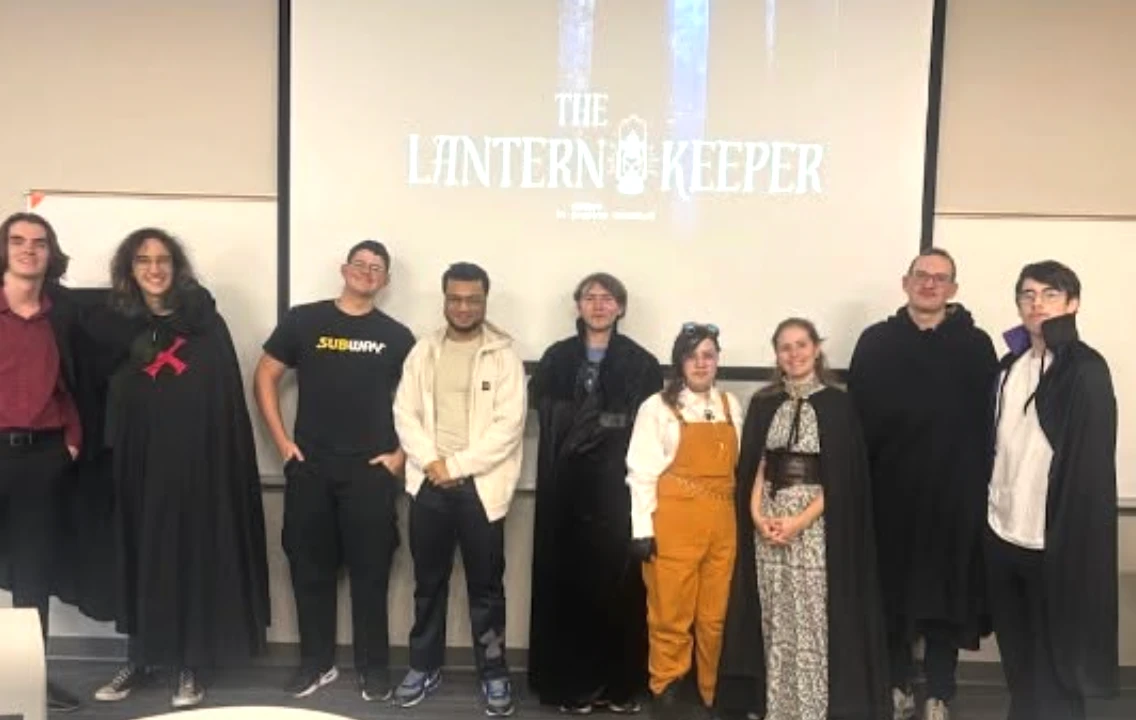
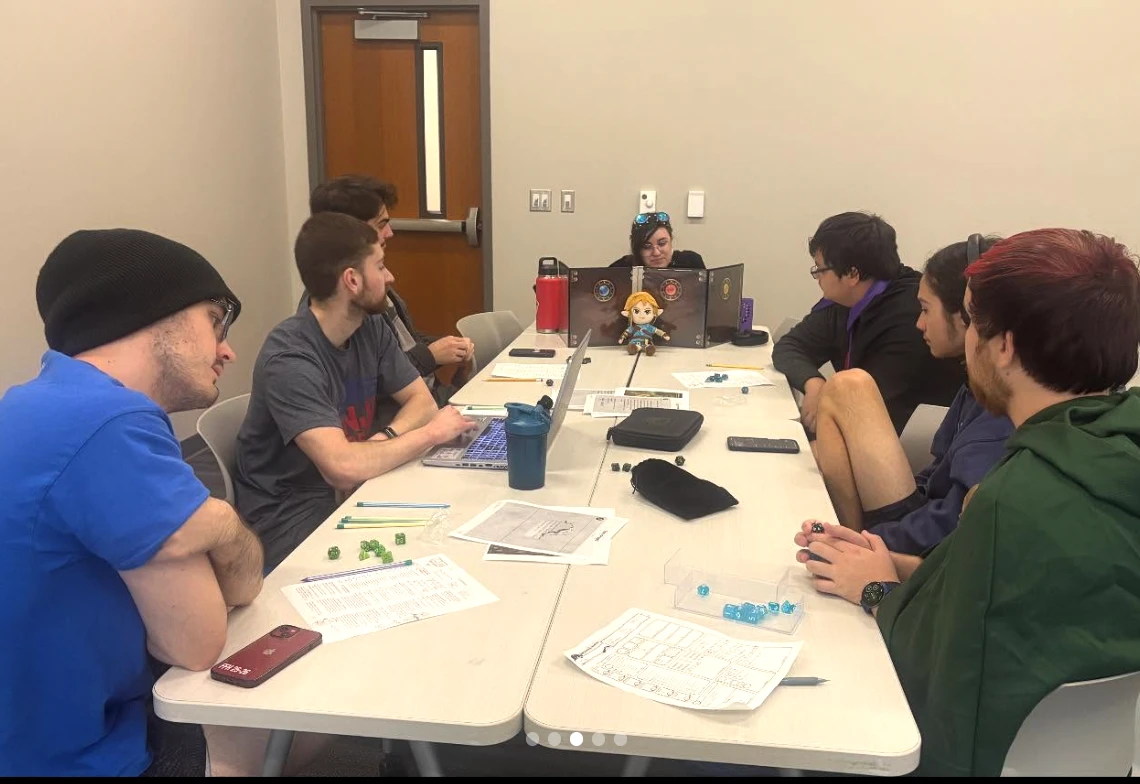
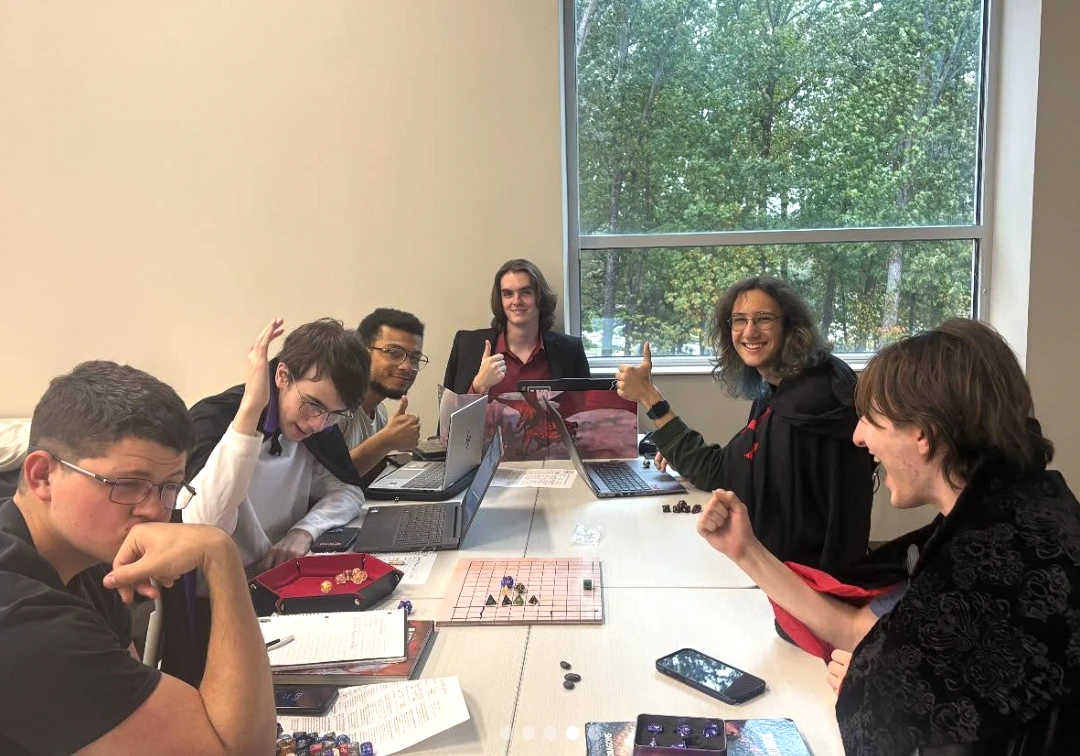
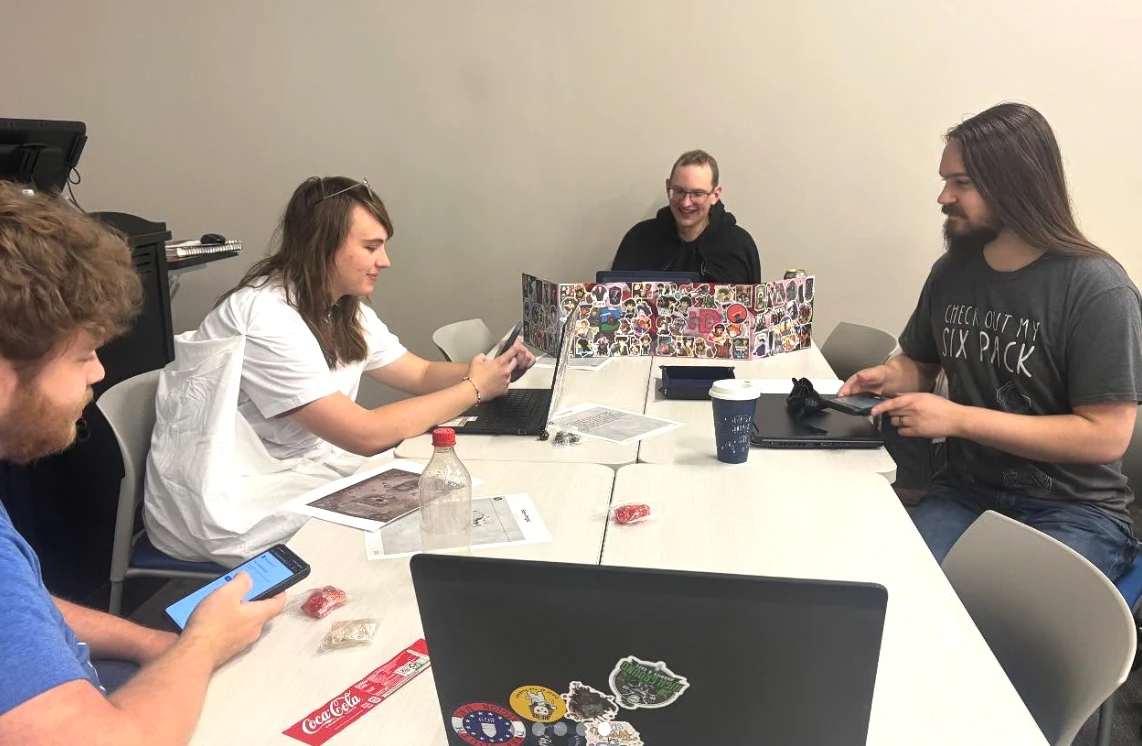
We contacted university D&D clubs one by one, to host events where students played our adventures. We did this not only to build a larger community, but also to get feedback to further improve our adventures.
The adventures
The Midnight Masquerade
The adventure that started it all. A completely new format of D&D where we introduced competitive D&D.
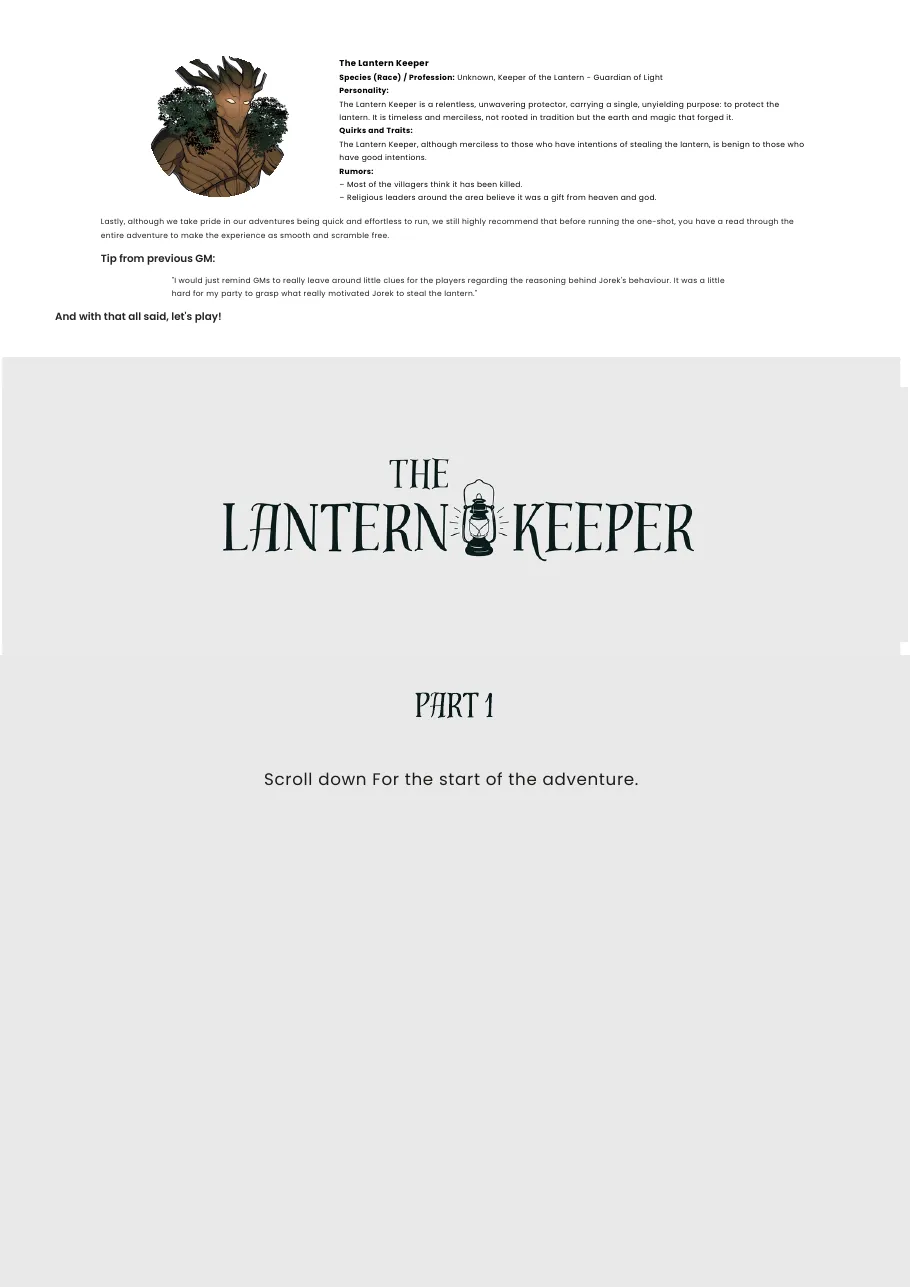
The Lantern Keeper
Our second adventure, focused on story building and character arcs.
The Greedy Fountain
A small, intro adventure we trialed.
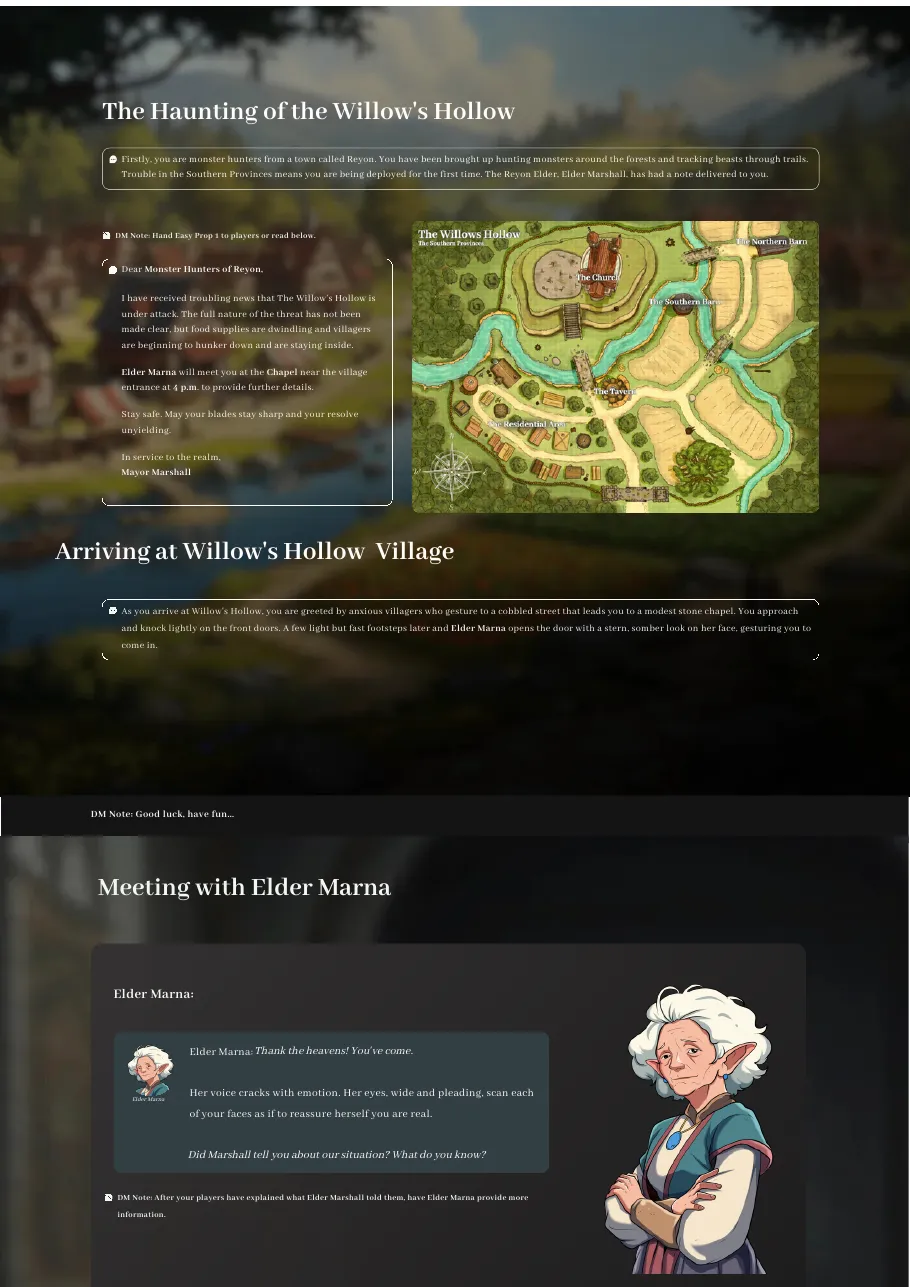
Inside the books
How the model changed
We never stopped looking for ways to pivot
- 01
An Etsy shop.
We started out on Etsy, planning to sell adventures on there.
- 02
Interactive campaigns.
We made our first major pivot, to differentiate from competitors. We built our own software to host interactive adventures, and website to sell them off of.
- 03
From subscription to one-off payment
Originally, we planned to offer a subscription where an adventure would be released each month along with smaller pieces along the way. However, we eventually realised the market was far more receptive to a one-off payment for each adventure.
- 04
The Companion
The last thing we did before closing was work on a companion app to improve D&D for not only the players but the Dungeon Master as well. Through secret player to player chats, and automation of processes, the goal was to streamline the gameplay.
How we grew it
Distribution was the real product.
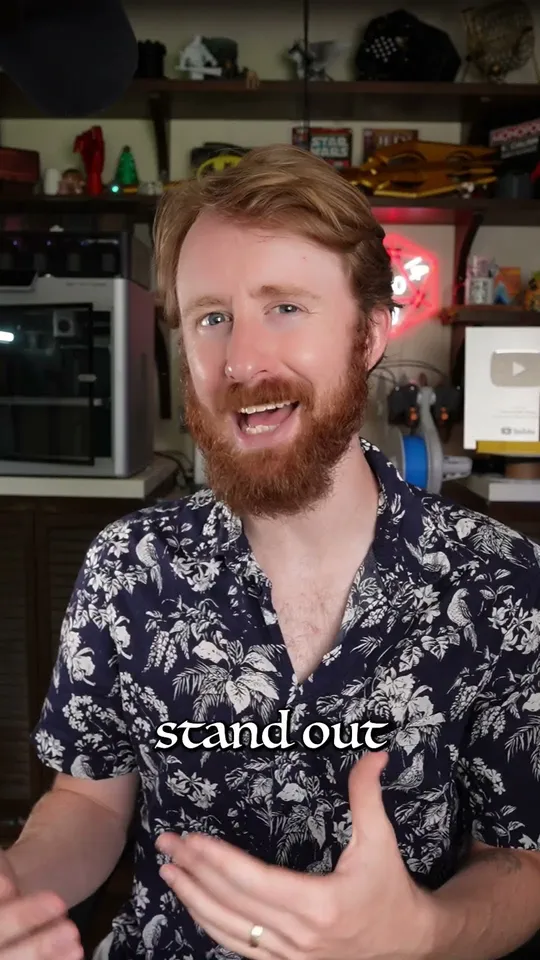
We launched in partnership with Deck of DM Things. We learned Instagram's algorithm by posting constantly, pitched creators with hundreds of thousands of followers, and built outreach lists for stores and bloggers. We contacted university D&D clubs directly and hosted events where students played our adventures. I ran the website and worked on its conversion rate, from first visit to checkout.
Behind the scenes
The whole company, in Notion.
Placeholder: a line about how you ran Origin Studios in Notion.
How it ended
We closed Origin Studios well before I started Vital. The studio didn't last, but the habits did: talk to customers, sell before building, change the model when the market says so, and ship on a deadline. Vital is built on all four.