Commerce
Things I sold
-
 08May 2026 – Present
Vital
The one to focus onSoftware that keeps licensed workers' credentials compliant
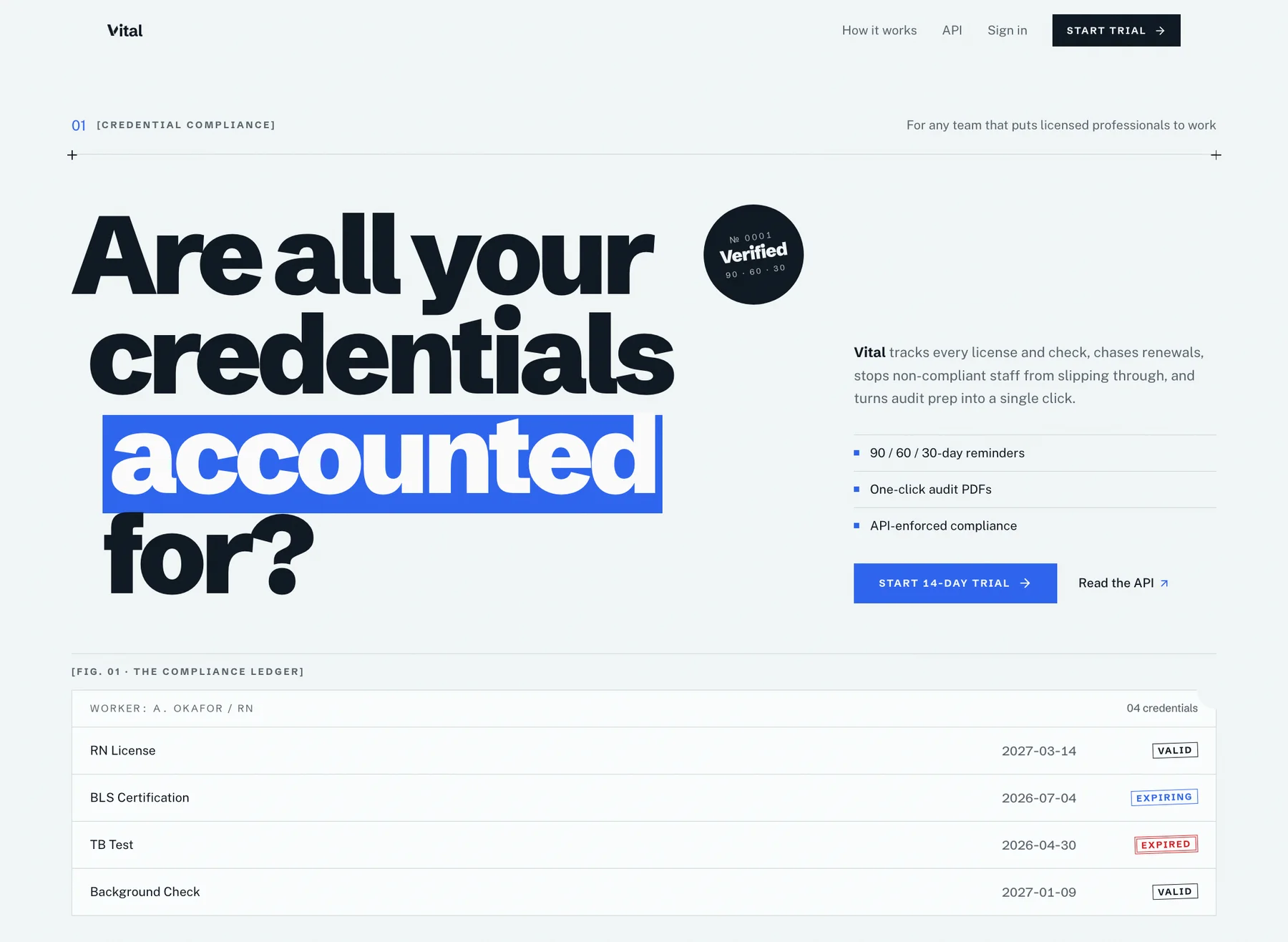
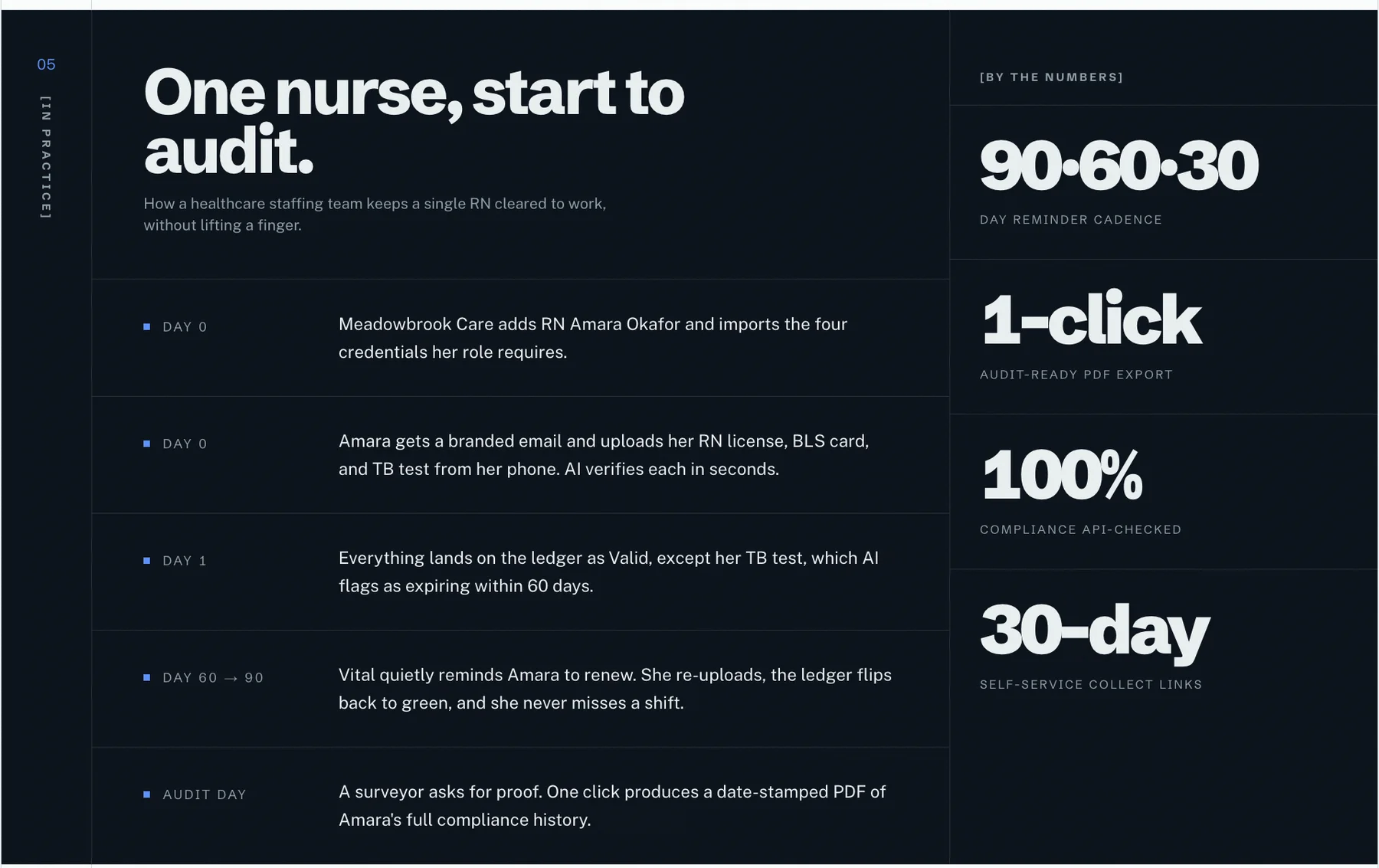
I'm currently building software to help businesses employing licensed workers automate the management of their credentials. With automatic chase down emails, AI verification and information compiled into dashboards, the software streamlines and reduces risk of compliance issues falling through the cracks. I have a major second phase to this business that will be executed in addition once I've built a large database.
Placeholder: what the guide says about Vital.
The problem
£60k. The maximum penalty for illegal working, per worker. Then add lost contracts and failed client audits.
Any business that puts workers on other people's sites (staffing, field marketing, care, security, logistics) has to hold current documents for every one of them: right-to-work evidence, DBS checks, driving licences, medicals, training certificates. Each expires on its own schedule. Most teams track them in spreadsheets, chase by email, and keep PDFs in arbitrary folders. As a result, expensive mistakes can fall through the cracks.
The product
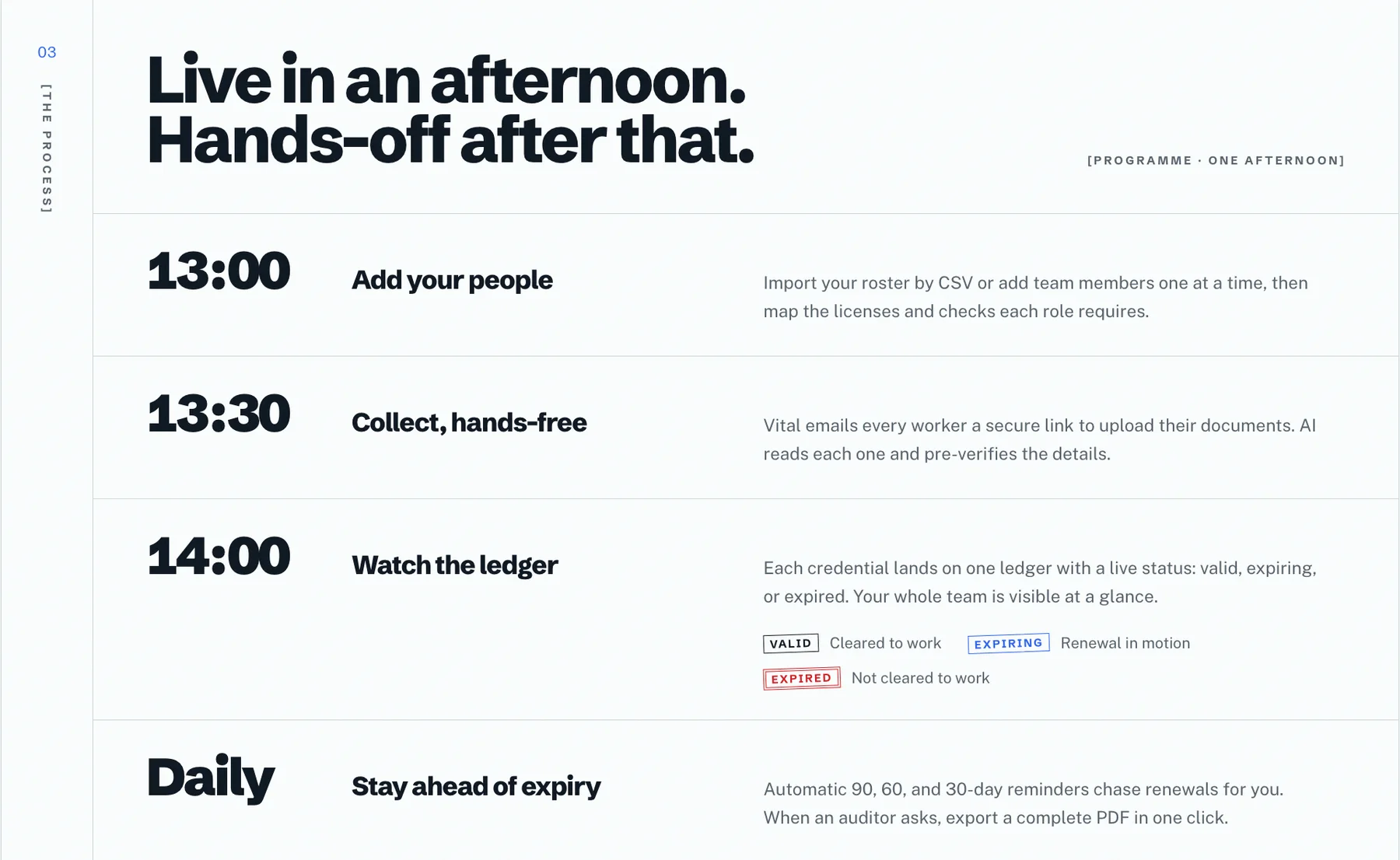
Collect
From the worker's phone. Each worker gets a secure, expiring link to upload documents and licences.
Verify
Read by an API. AI extracts the fields and cross-checks name, licence number, issuing body and expiry against what the worker typed. Confident matches auto-approve; anything uncertain goes to a human.
Monitor
It chases for you. Every credential carries a live status: valid, expiring or expired. Workers are reminded at customisable intervals automatically, based on the timelines for different licence renewals.
Prove
Compliance on demand. One click produces a date-stamped PDF of a worker's full history. A REST API lets scheduling and HR systems block non-compliant workers from shifts.
How it's built
Every table is scoped to one tenant.
Next.js 15 on Vercel's London region. Neon Postgres in the EU/UK with row-level security enforced on every table, and tenant isolation checked with live cross-tenant probes. Documents sit in Cloudflare R2 behind short-lived presigned URLs, never in the database.
Where it goes
Phase 1 · now
Get agencies onto Vital, their workforces into the system and build a large database of workers requiring licensing.
Phase 2
Once a substantial number of people have been brought onto the platform, phase two will commence. A marketplace will be established where workers maintain ownership of their data, and are connected with compliance officers.
Built month by month
19 May
First commit of what became Vital. Next.js, Clerk auth, Neon Postgres, PDF generation. Five fixes on day one just to get the build green.
1 July
Forced row-level security. Every worker, credential and dashboard query is scoped by agency.
23 July
Import any spreadsheet. Mapped import for XLSX or CSV in any layout. Auto-send is off on import, so a bad file can't email a whole roster.
27 July
CredChain → Vital. The old name collided with another company in the same industry. I renamed it everywhere in one pass.
31 July
Moved to vitalcheck.co.uk. I verified it end to end and revoked every link on the old domain.
19 August
Rebuilt the visual identity around security printing, taking cues from the print techniques used on documents that are meant to be hard to fake.
September
Two hardening passes: audit trail, security headers, an audit-log viewer, a CI gate, AI verification injection, CSV injection, header safety. All 19 dependency advisories patched, 11 of them high.
What it taught me
Be ready to constantly pivot. During our time building Origin Studios, we were constantly pivoting our platforms, business model, products and strategy based on market changes and new learnings. Now building Vital, I've had to adapt to a completely different model after figuring out what my current one really looks like.
See it live
-
 07Placeholder
Origin Studios
A D&D studio, co-founded with my brother · closed
A D&D studio I co-founded with my brother. Three one-shots, four business models, 90 customers, over £1,000 in revenue and millions of Instagram views with leading influencers in the space. We built a strong community, and I learnt an immense amount from this.
My first real business venture.
A Disconnected Generation - Our Why
A generation raised on screens reconnected.
We built fast paced, interactive adventures to engage a younger audience: competitive, with overlapping stories, and easy for the DM to run without hours of prep.
The work
The grind behind our adventures
International events hosted
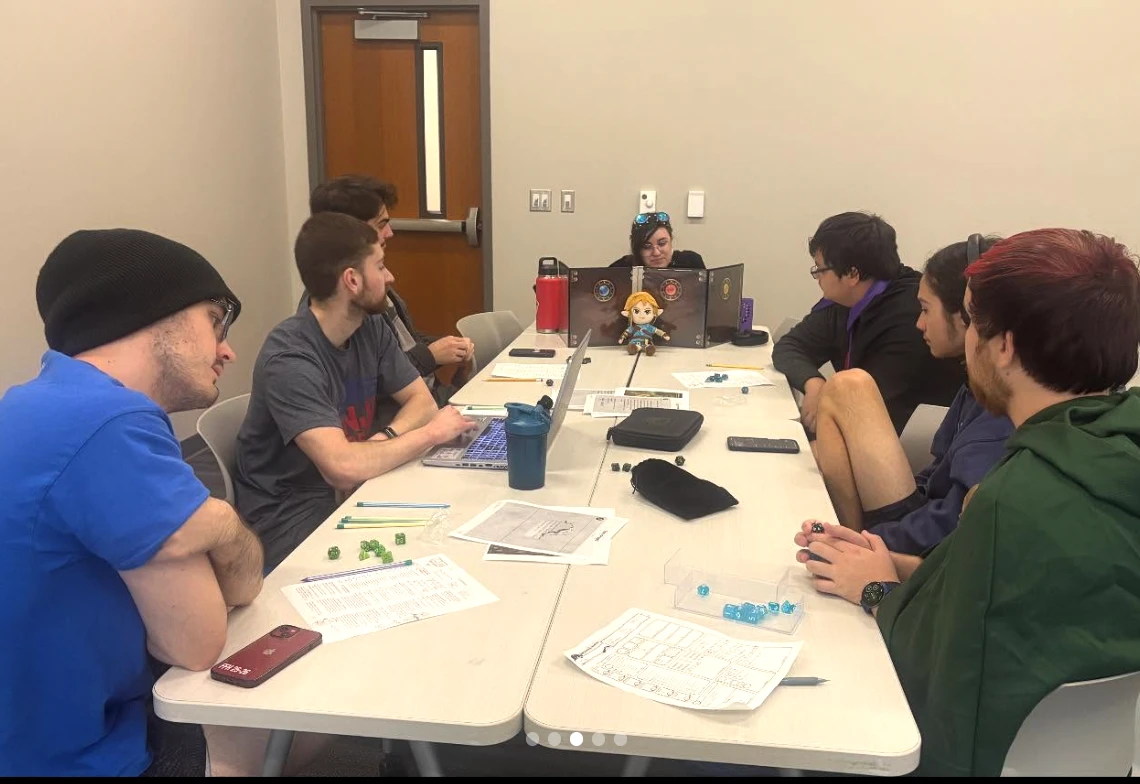
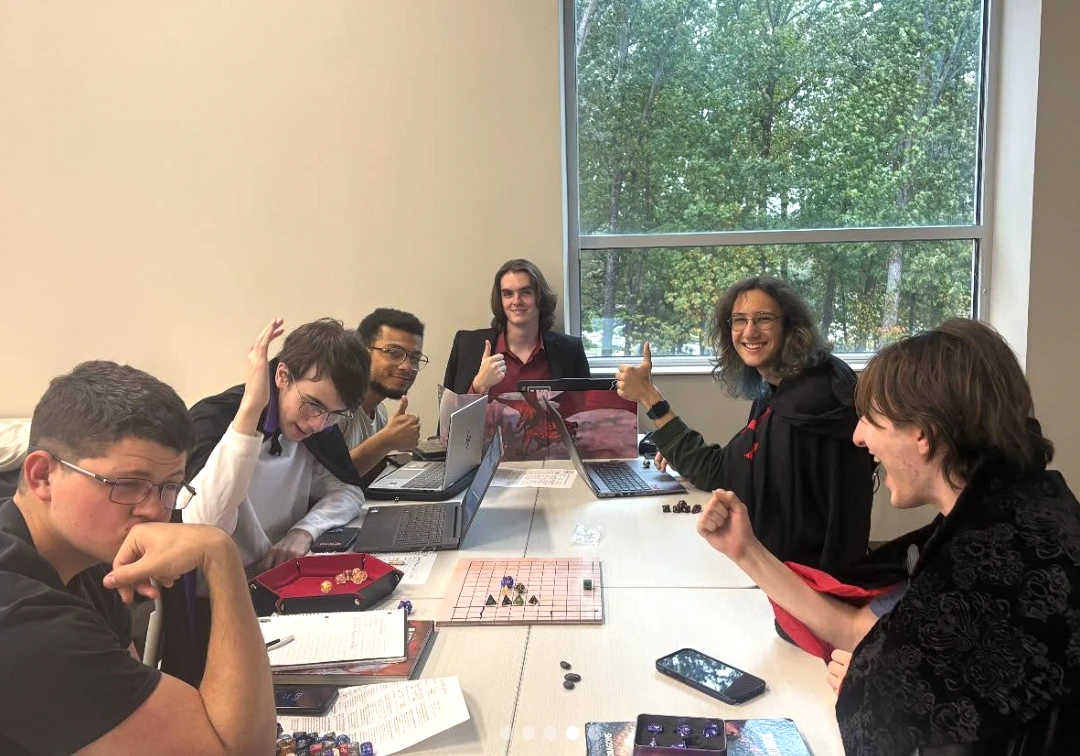
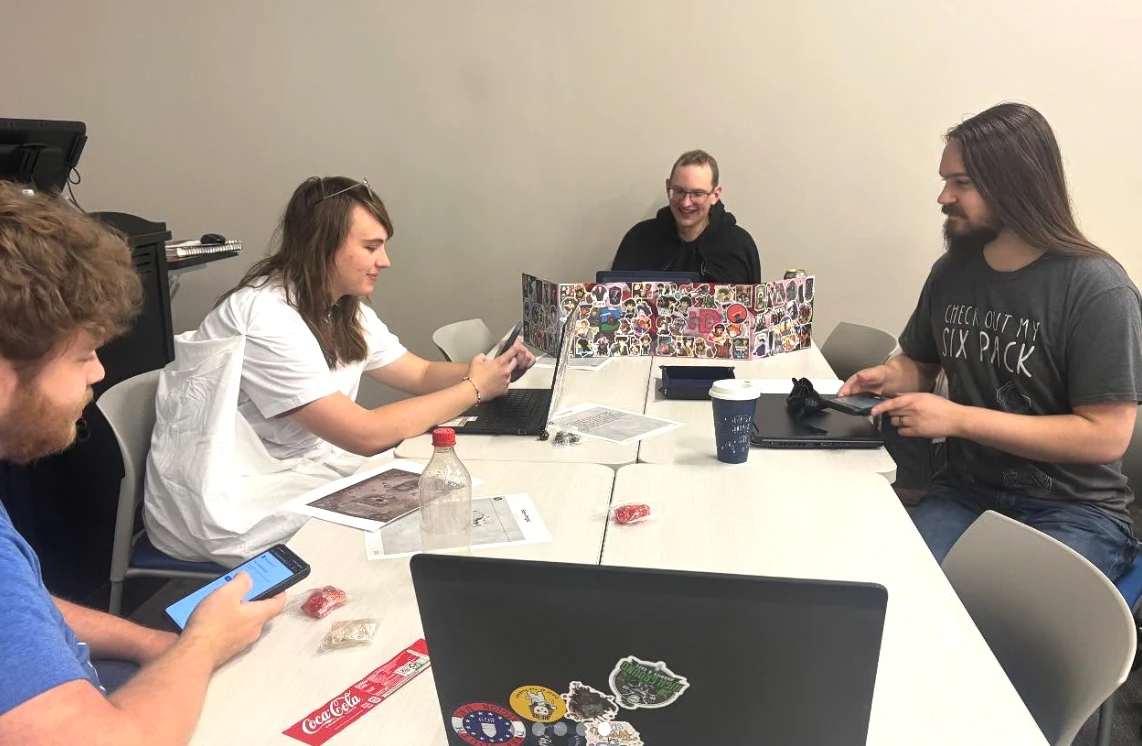
We contacted university D&D clubs one by one, to host events where students played our adventures. We did this not only to build a larger community, but also to get feedback to further improve our adventures.
The adventures
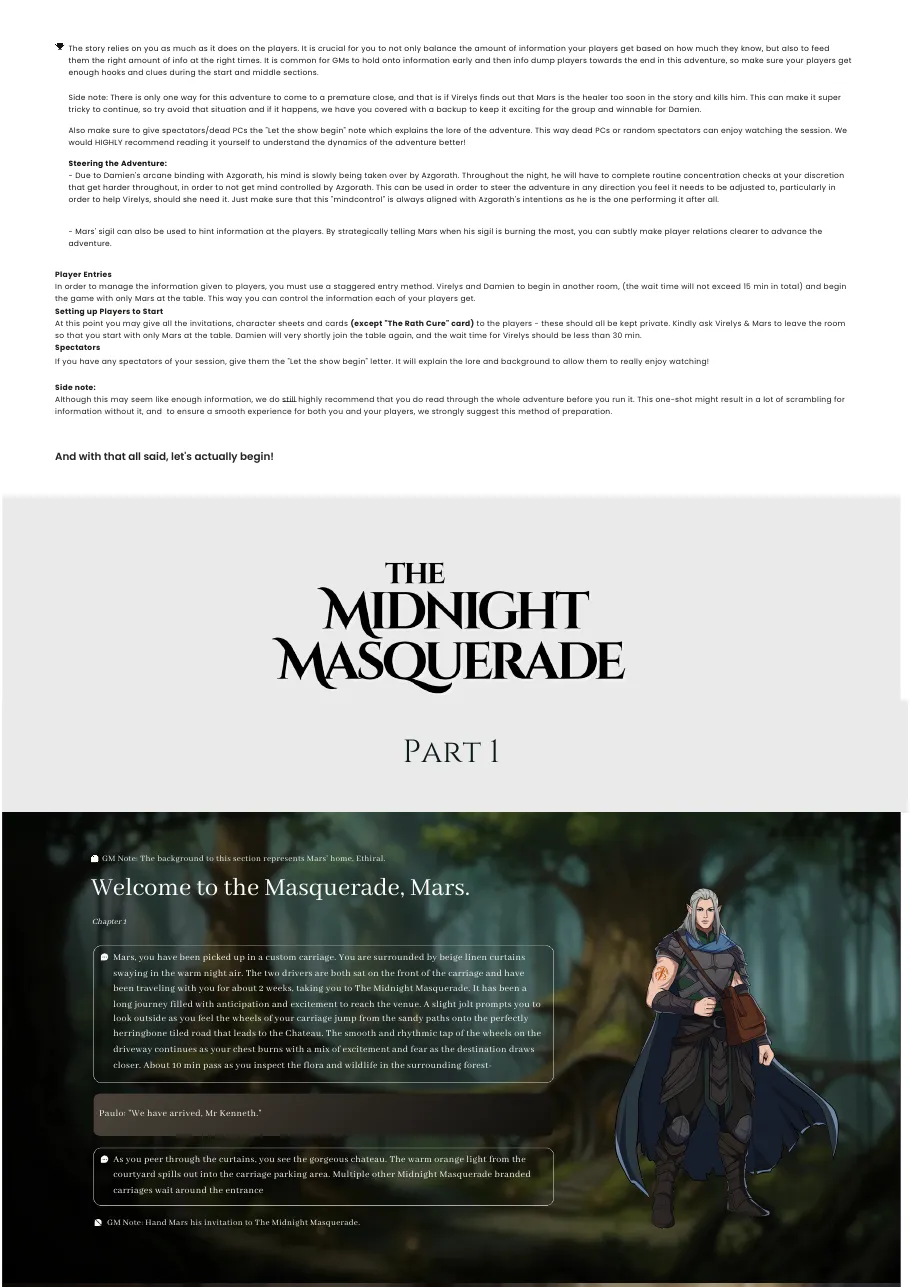
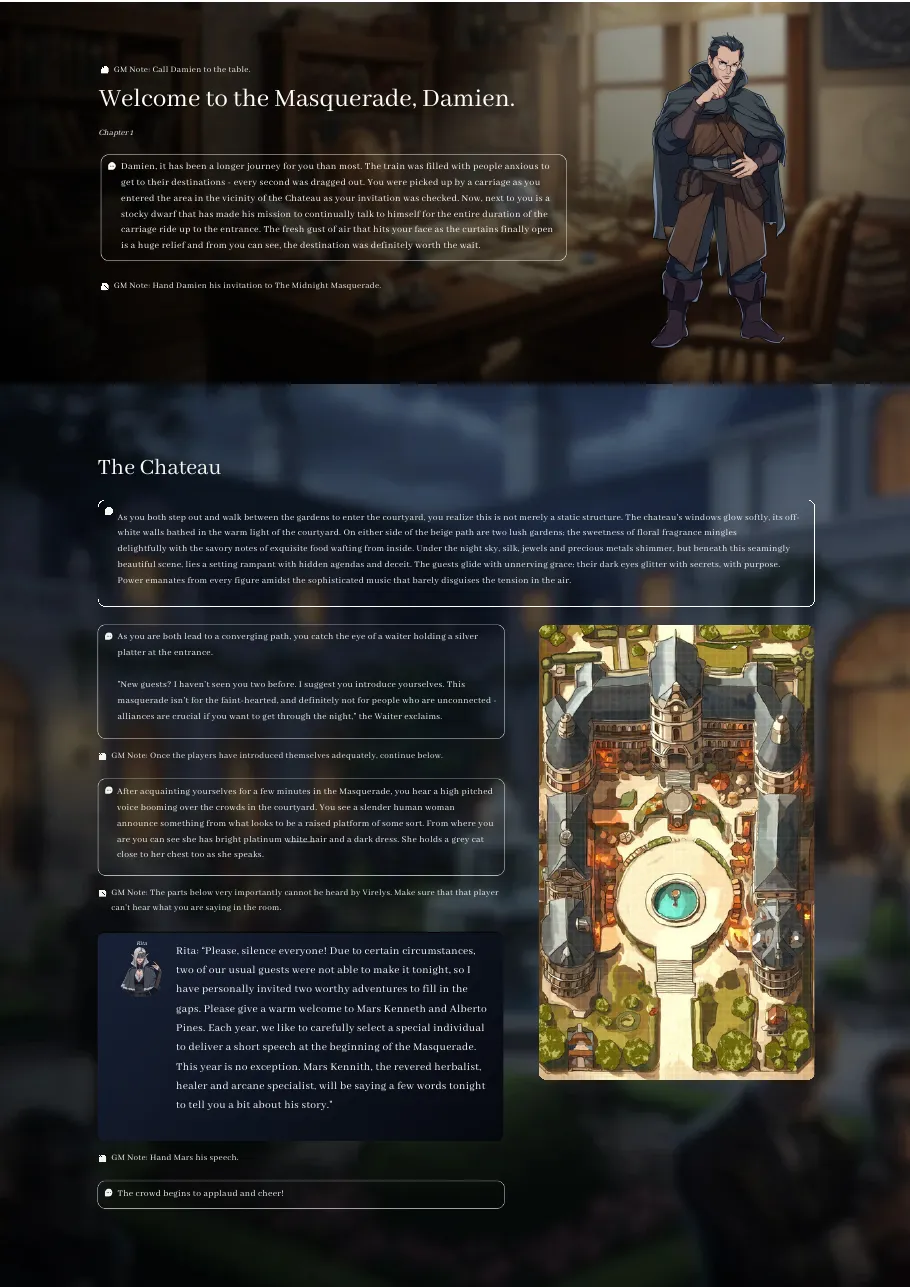
The Midnight Masquerade
The adventure that started it all. A completely new format of D&D where we introduced competitive D&D.
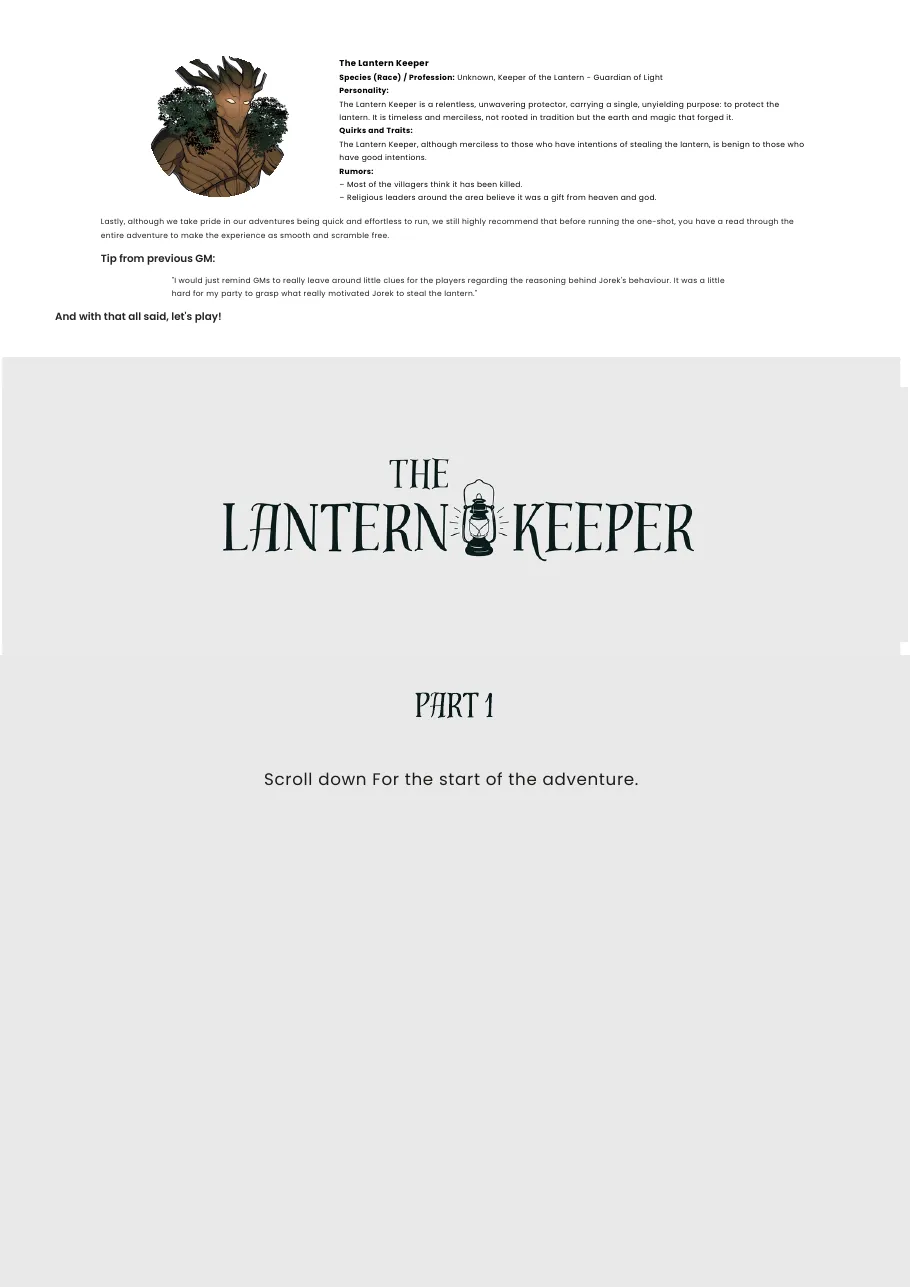
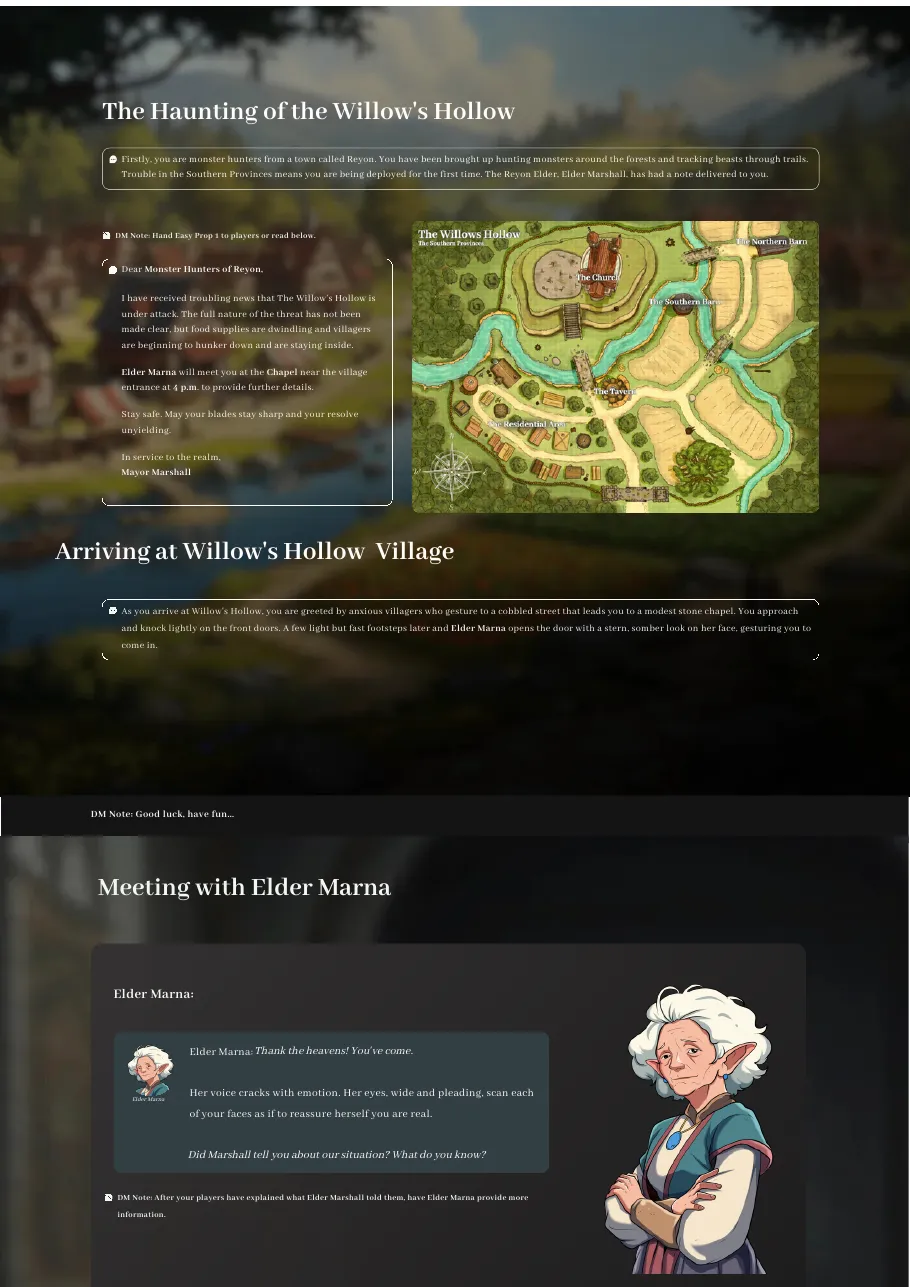
The Lantern Keeper
Our second adventure, focused on story building and character arcs.
The Greedy Fountain
A small, intro adventure we trialed.
How the model changed
An Etsy shop.
We started out on Etsy, planning to sell adventures on there.
Interactive campaigns.
We made our first major pivot, to differentiate from competitors. We built our own Shopify to host interactive adventures, and website to sell them off of.
From subscription to one-off payment
Originally, we planned to offer a subscription where an adventure would be released each month along with smaller pieces along the way. However, we eventually realised the market was far more receptive to a one-off payment for each adventure.
The Companion
The last thing we did before closing was work on a companion app to improve D&D for not only the players but the Dungeon Master as well. Through secret player to player chats, and automation of processes, the goal was to streamline the gameplay. However we struggled to gain traction.
How we grew it
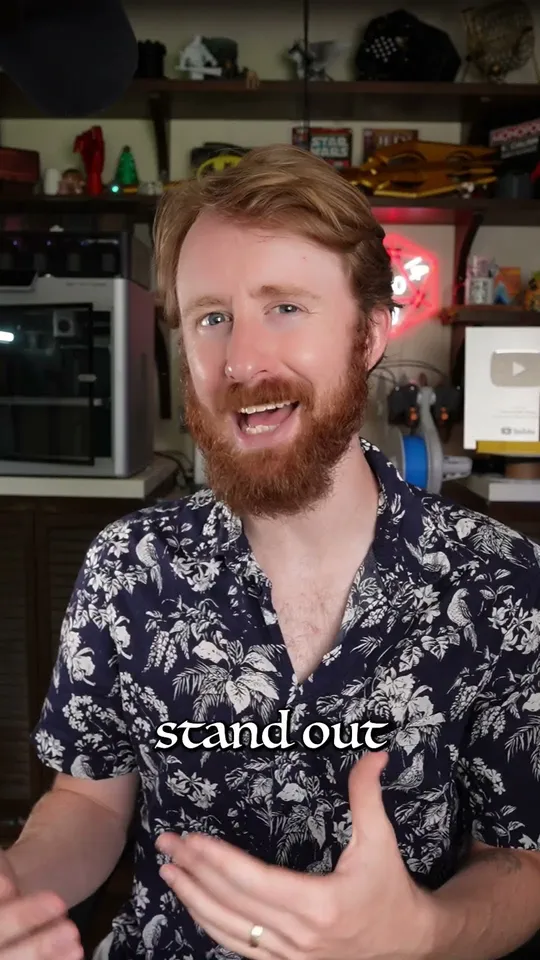
Largely through social media and affiliate deals, as well as email marketing, we marketed our products.
Social Media
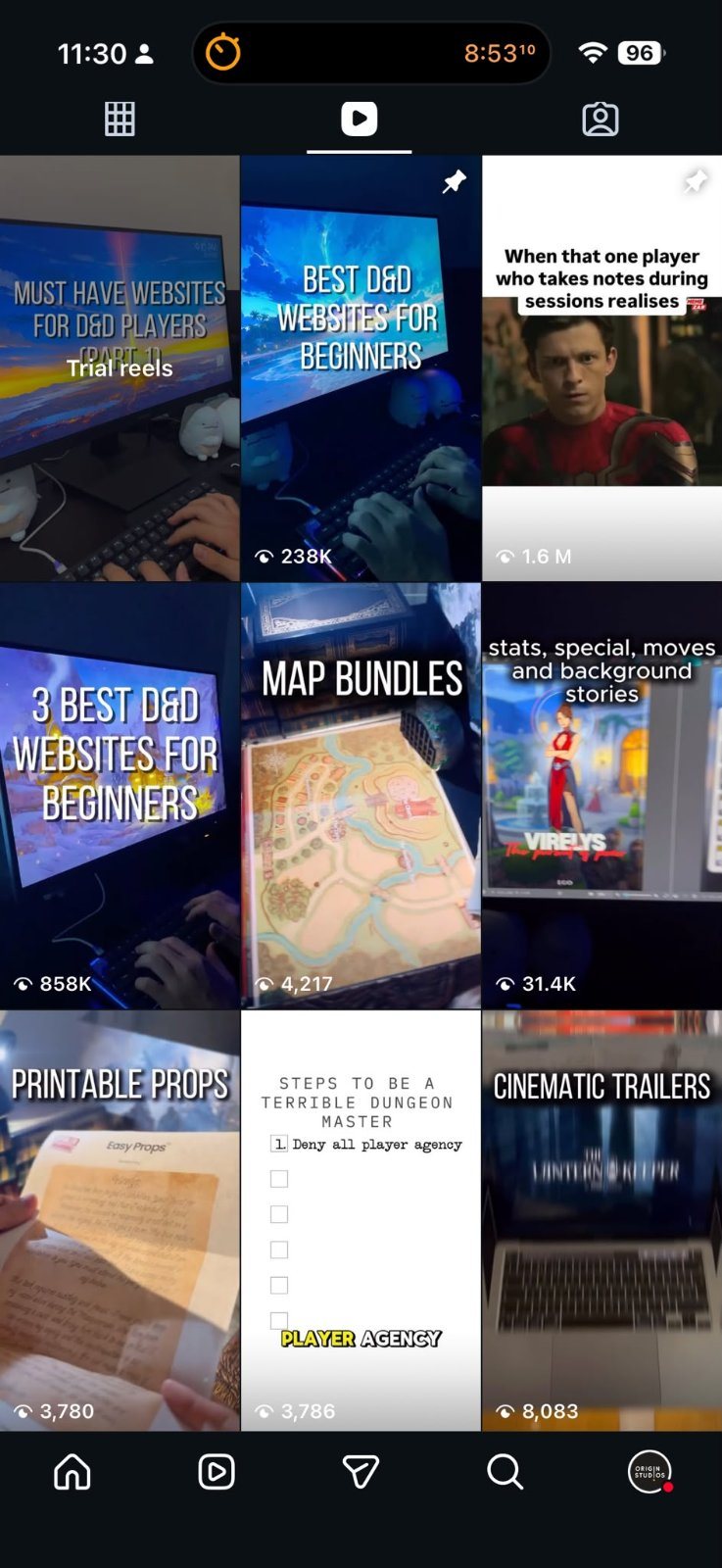
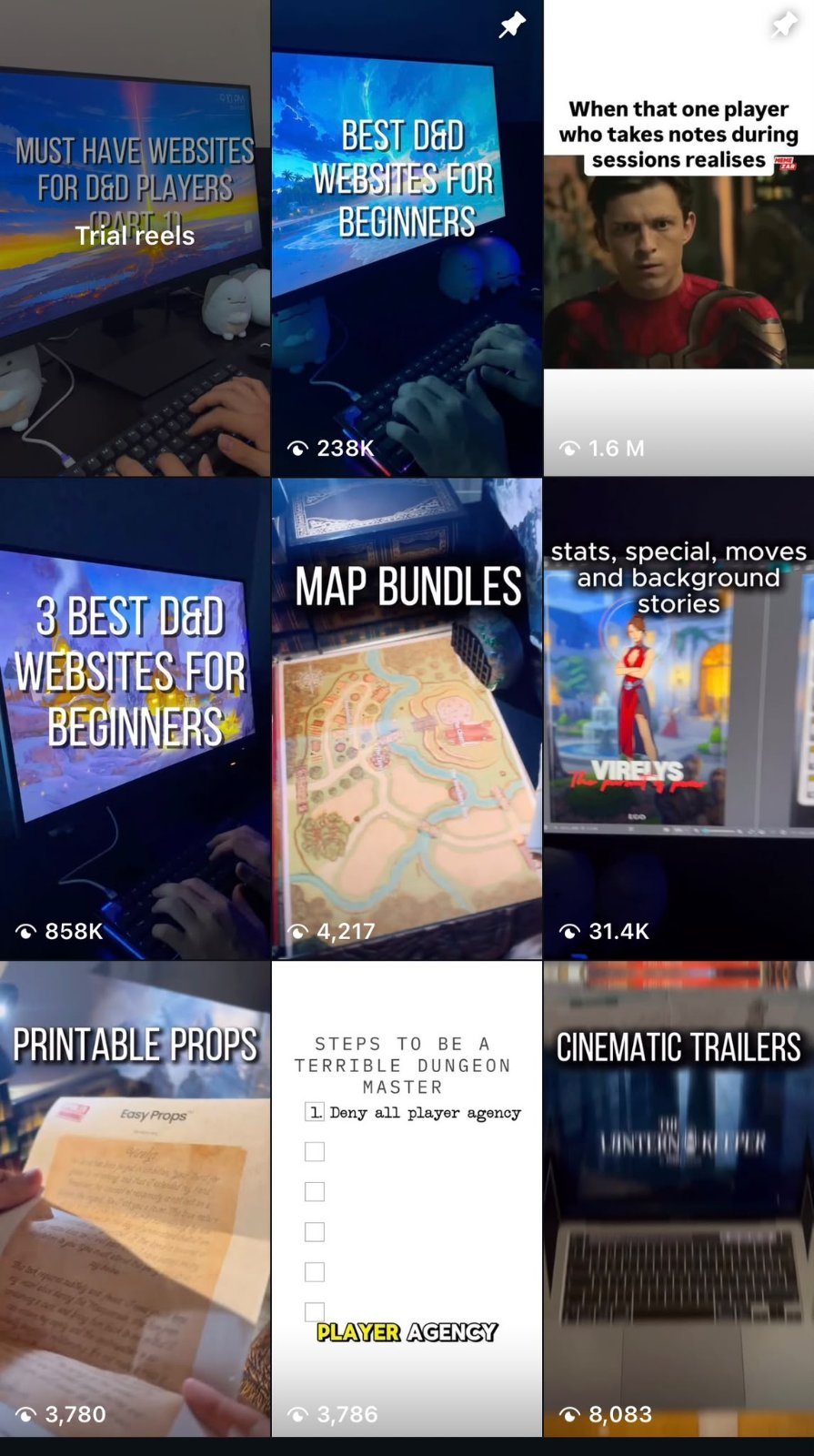
Millions of Instagram views, organic
Affiliate Deals
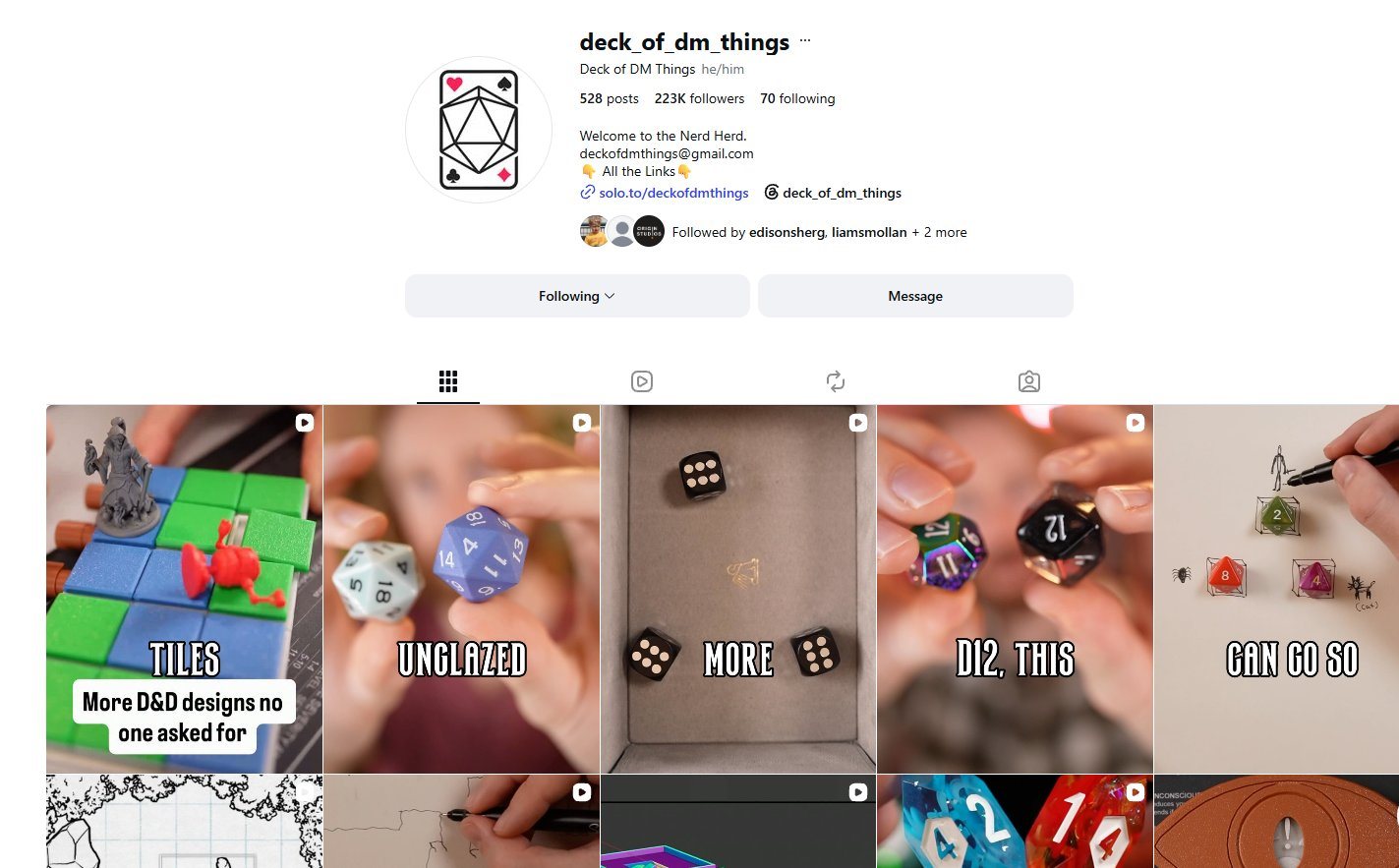
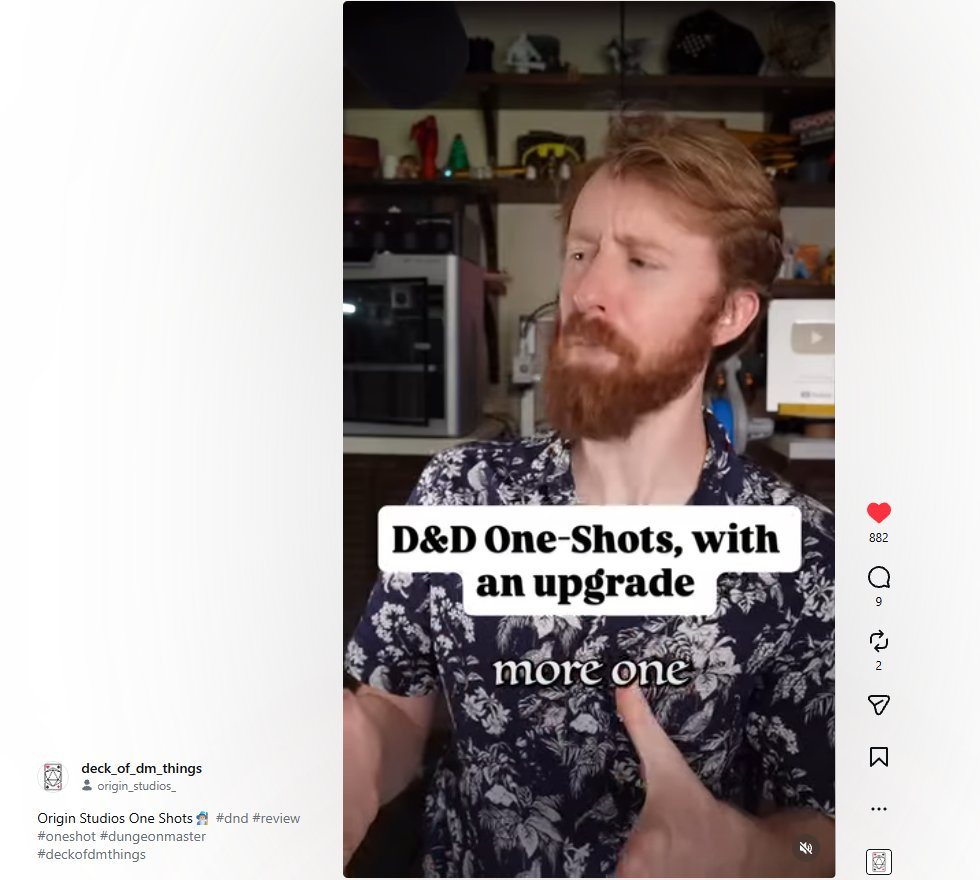
We collaborated with a number of influencers, the biggest being Deck of DM Things, a leading creator in the space with close to 1 million followers across platforms.
Cold Emailing
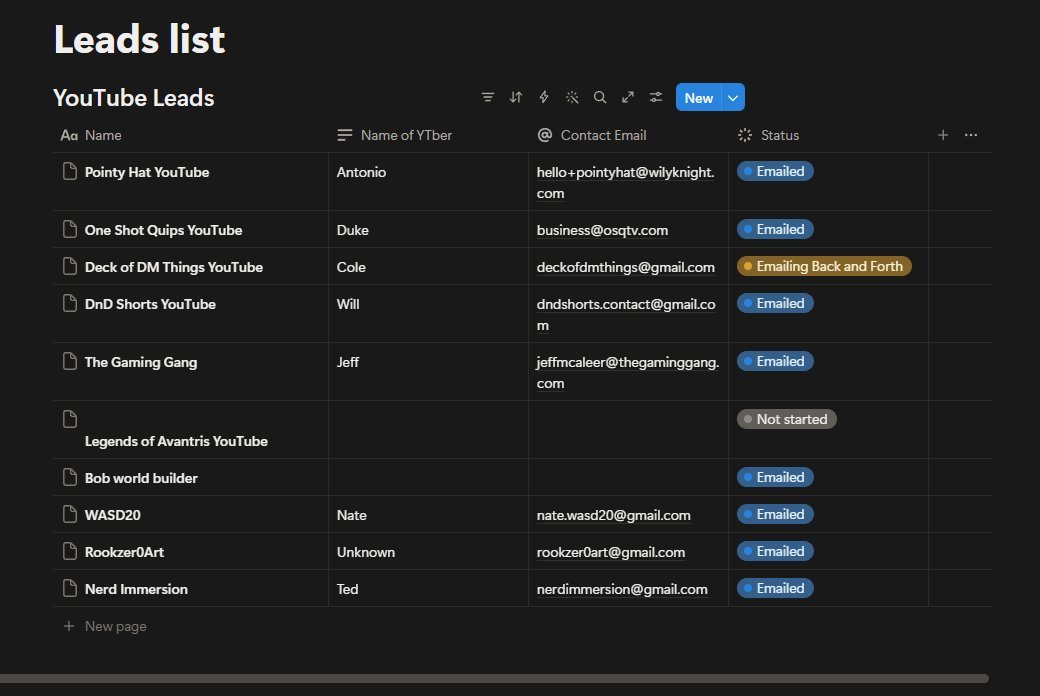
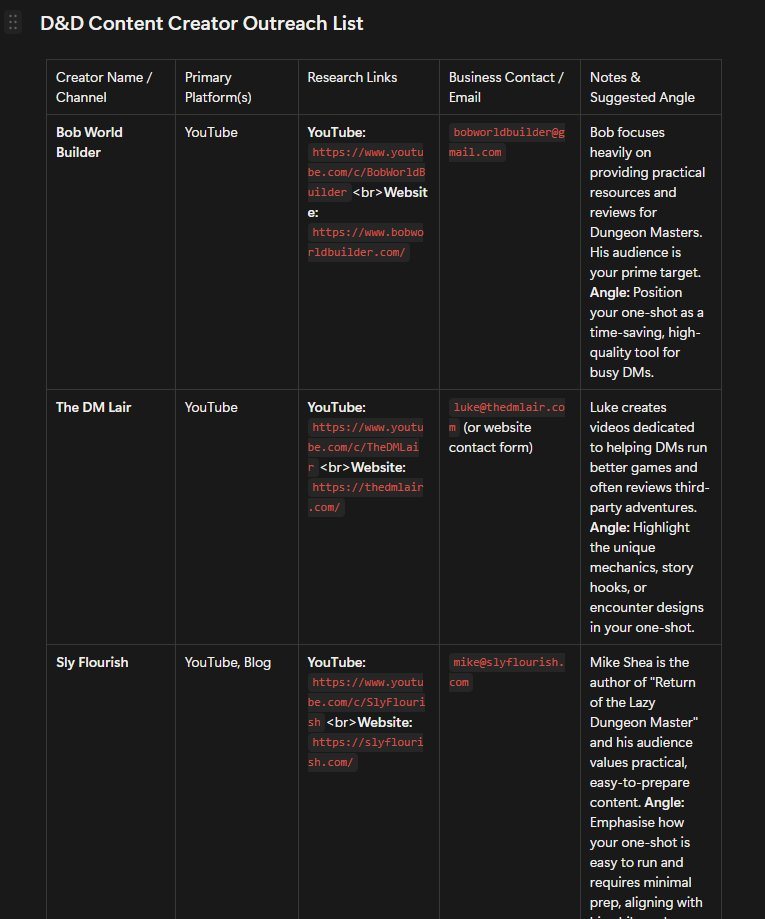
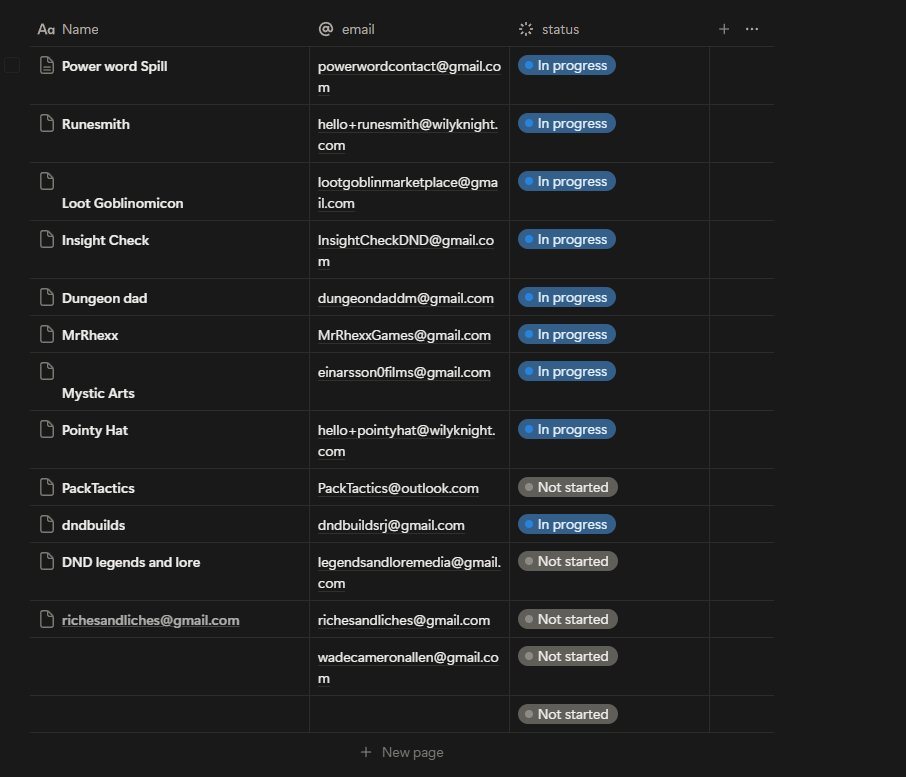
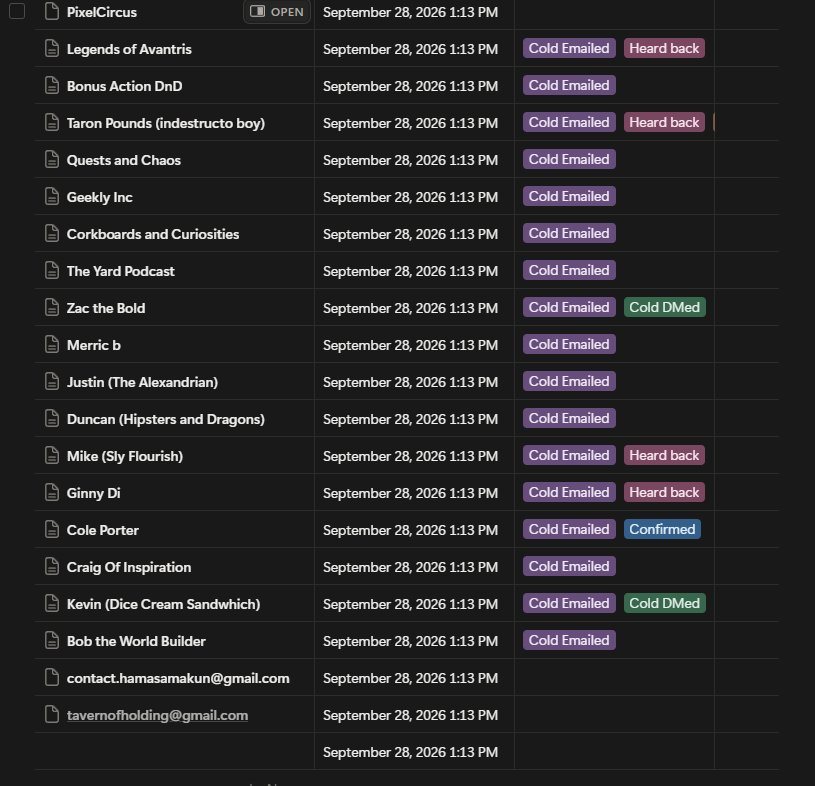
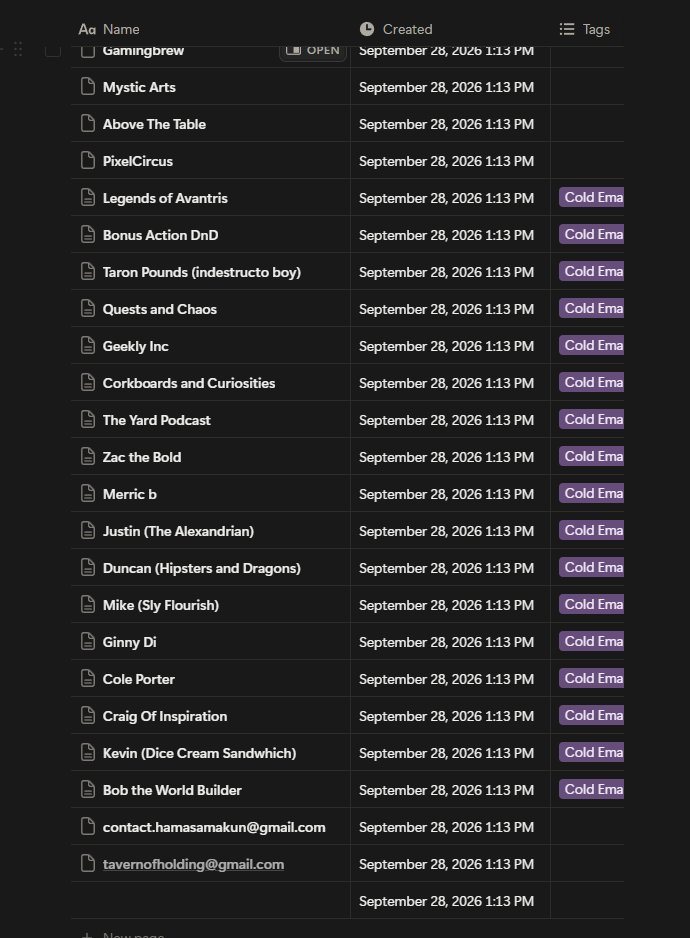
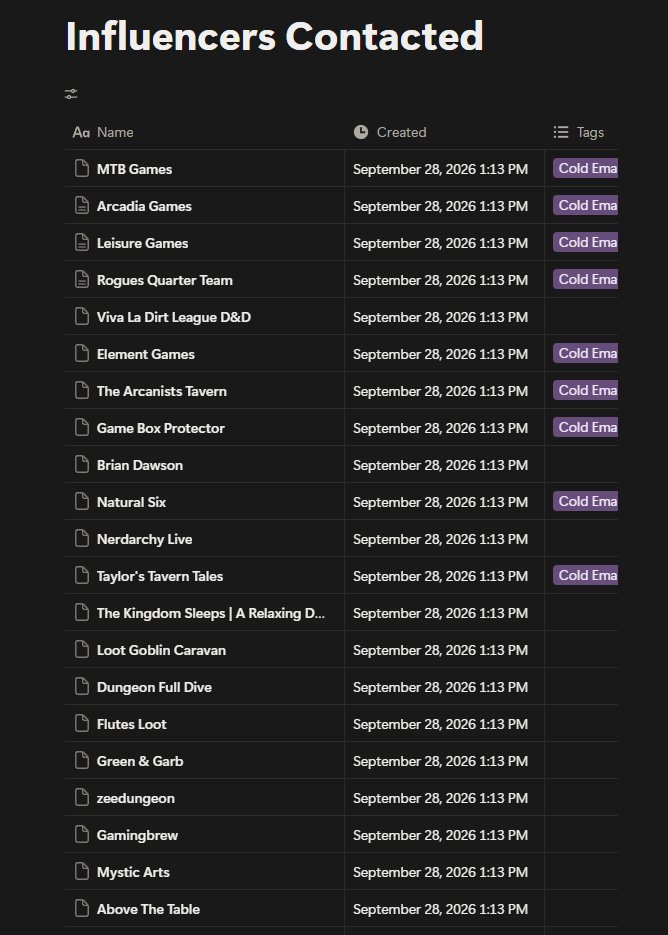
Hundreds of cold emails. Before AI automation, each done by hand. I learnt to customize emails to the recipient to gain a higher success rate.
The launch
The pinging Shopify notification of our first sale is a moment I'll never forget.
1 July
Launched The Midnight Masquerade and The Lantern Keeper.
Result
90 customers and over £1,000 in revenue.
The team
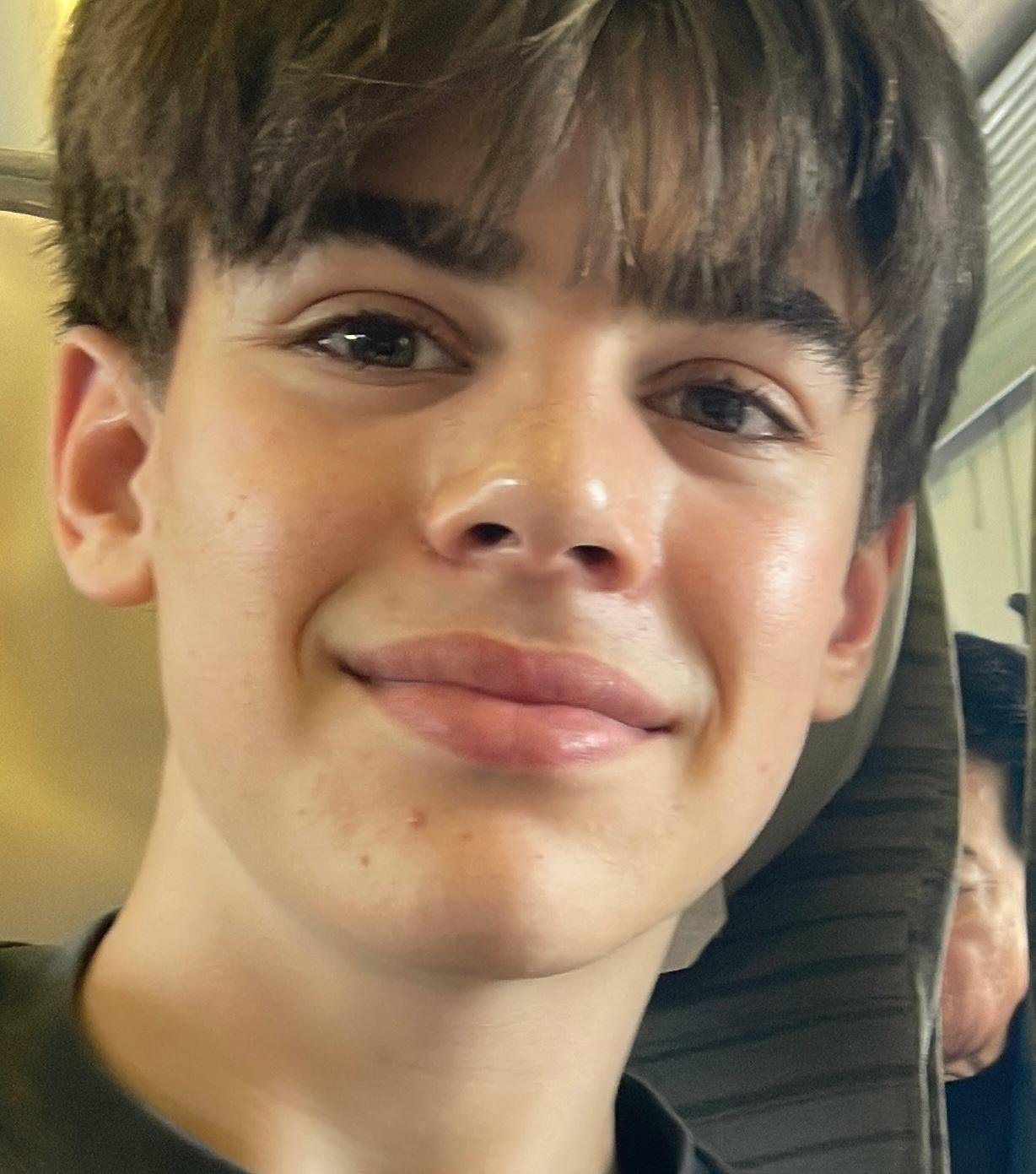
Me - Co-Founder
Liam
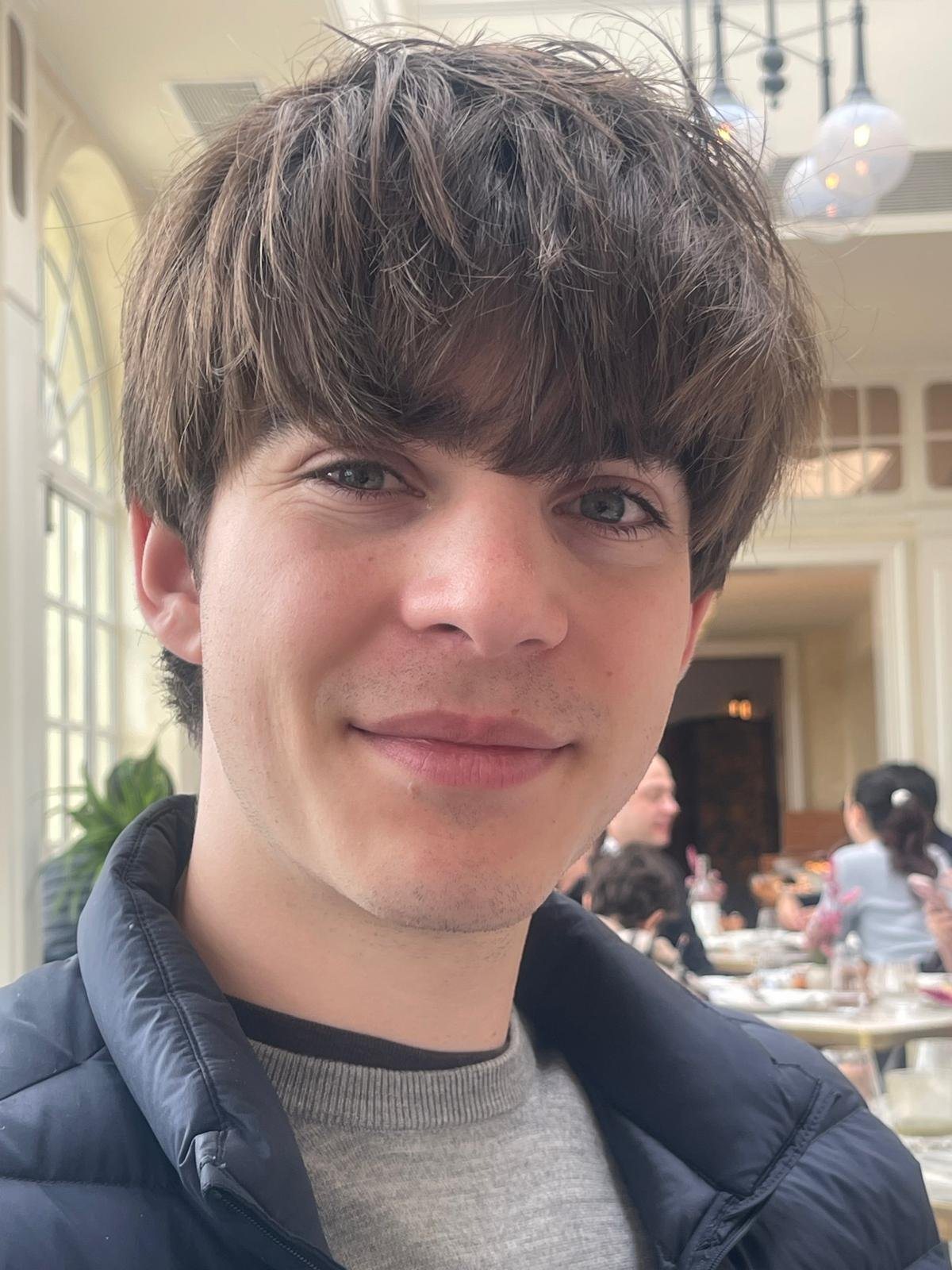
Liam - Co-Founder
Komon Hayashi joined
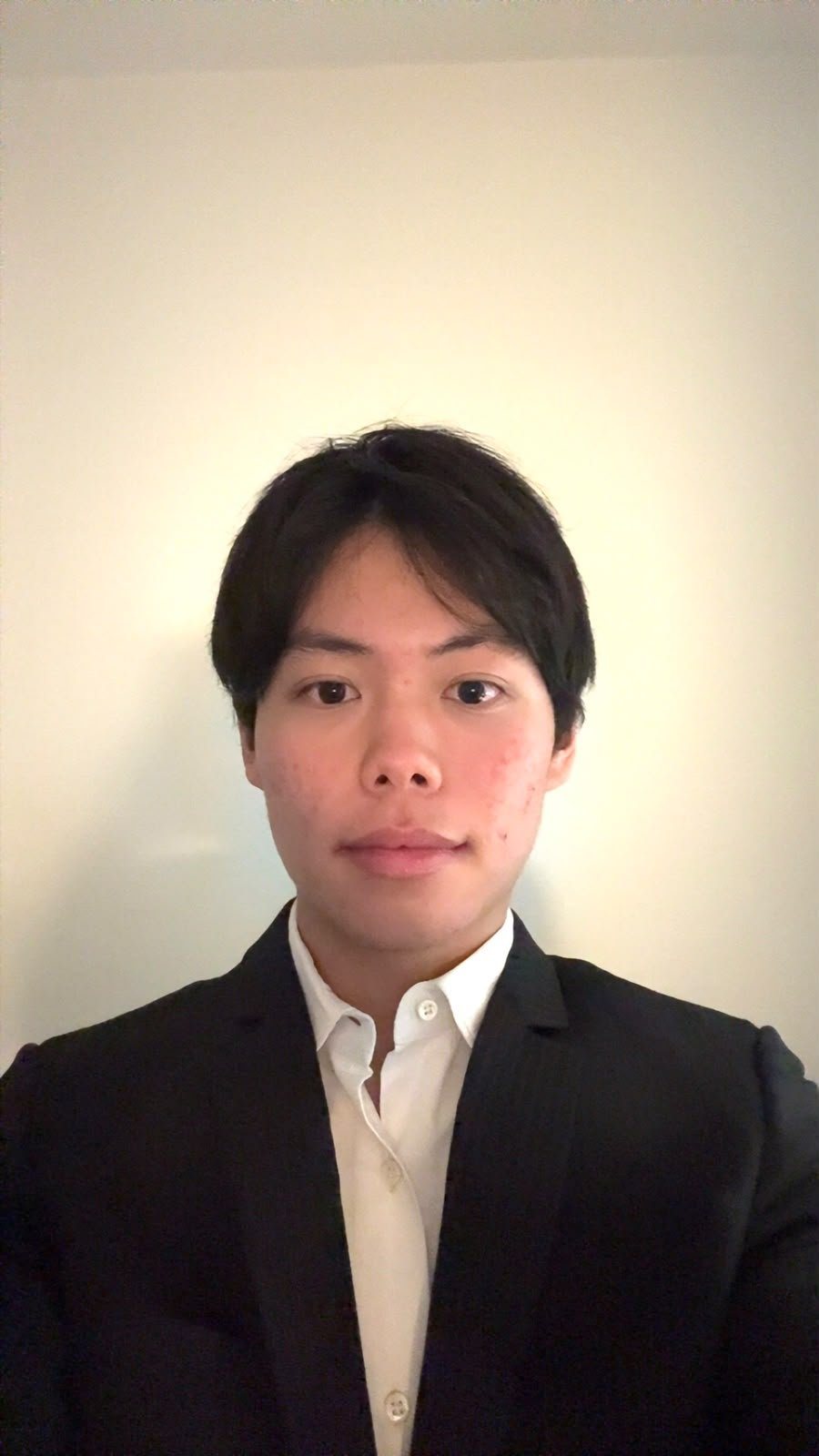
Another friend joined the business, and was crucial in helping us continue to grow our Social Media.
Learnings
Total Addressable Market.
The D&D market is relatively small which made scaling difficult. Additionally, we found it very antagonistic to monetisation despite our genuine mission.
Wily Resourcefulness.
I learnt there is always a way to do something. Outside of school, there isn't a set answer or method. With enough persistence and wily resourcefulness, almost anything can be achieved.
Grit.
Origin Studios was my first real startup. It was a rude awakening to how much work is truly required to build a company. It was something I knew, but never truly understood until I actually spent the long hours for months on end working. Being able to push past the initial novelty of a new idea and actually execute it is where I developed the most.
Shopify
I was head of the technical workflows and backend of our site. I learnt advanced skills in backend frameworks, A/B split testing and integrations.
How it ended
Due to other commitments questioning our future potential, we decided to close Origin Studios. However, I learnt more in that year about building a business than I had in the rest of my life.
-
 2026
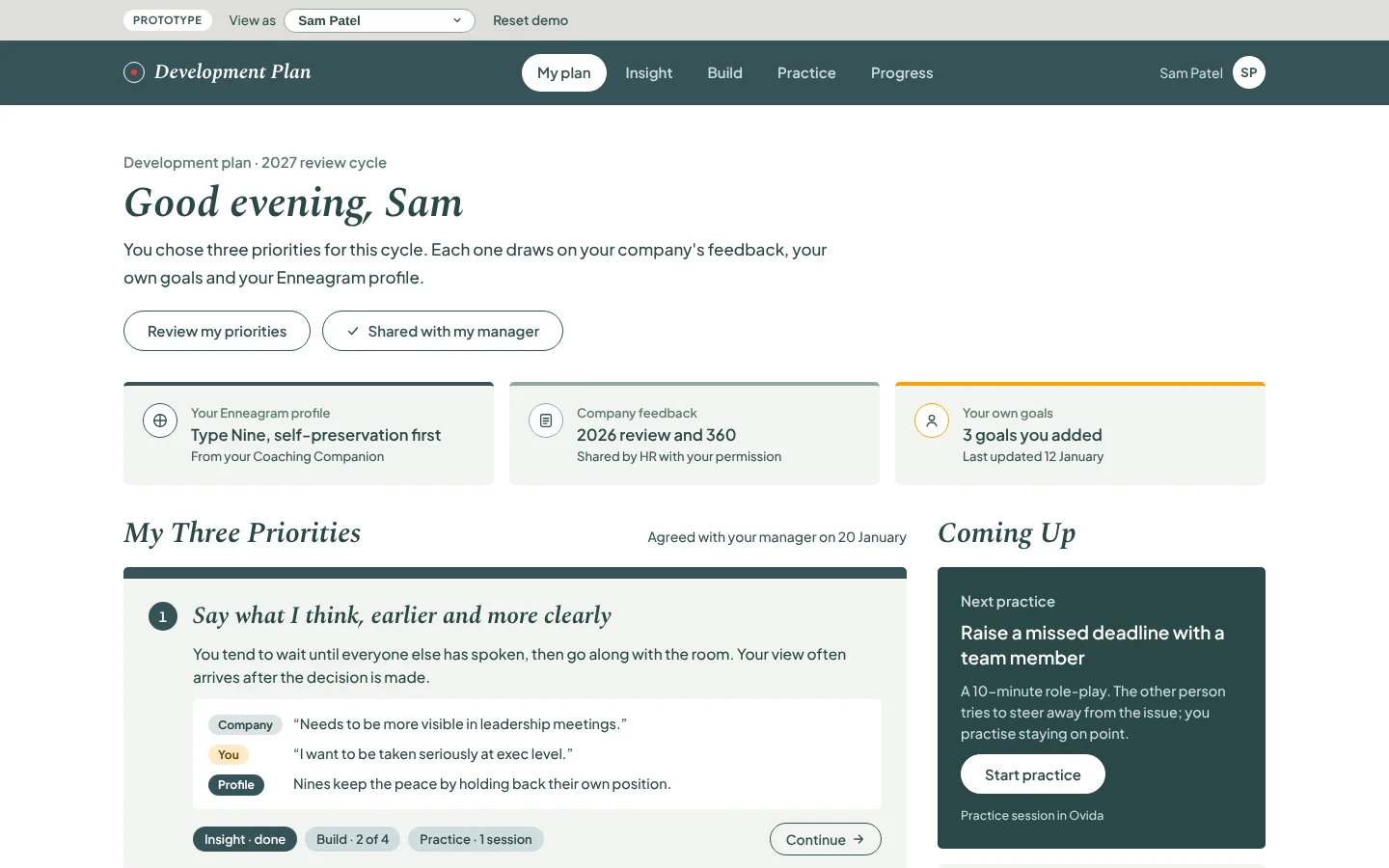
Development Dashboard
A clickable prototype for planning staff development
Placeholder.
The employee's view
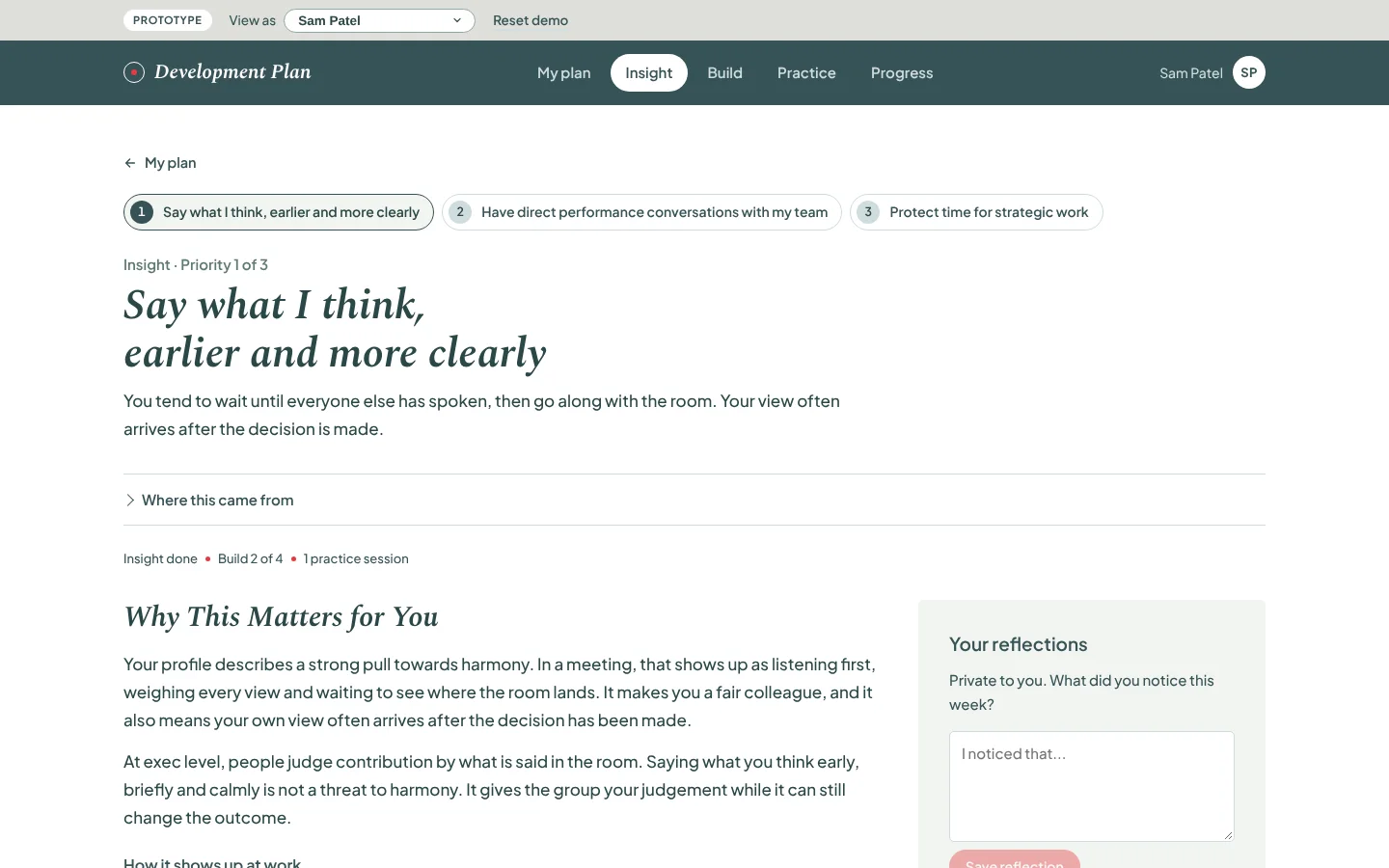
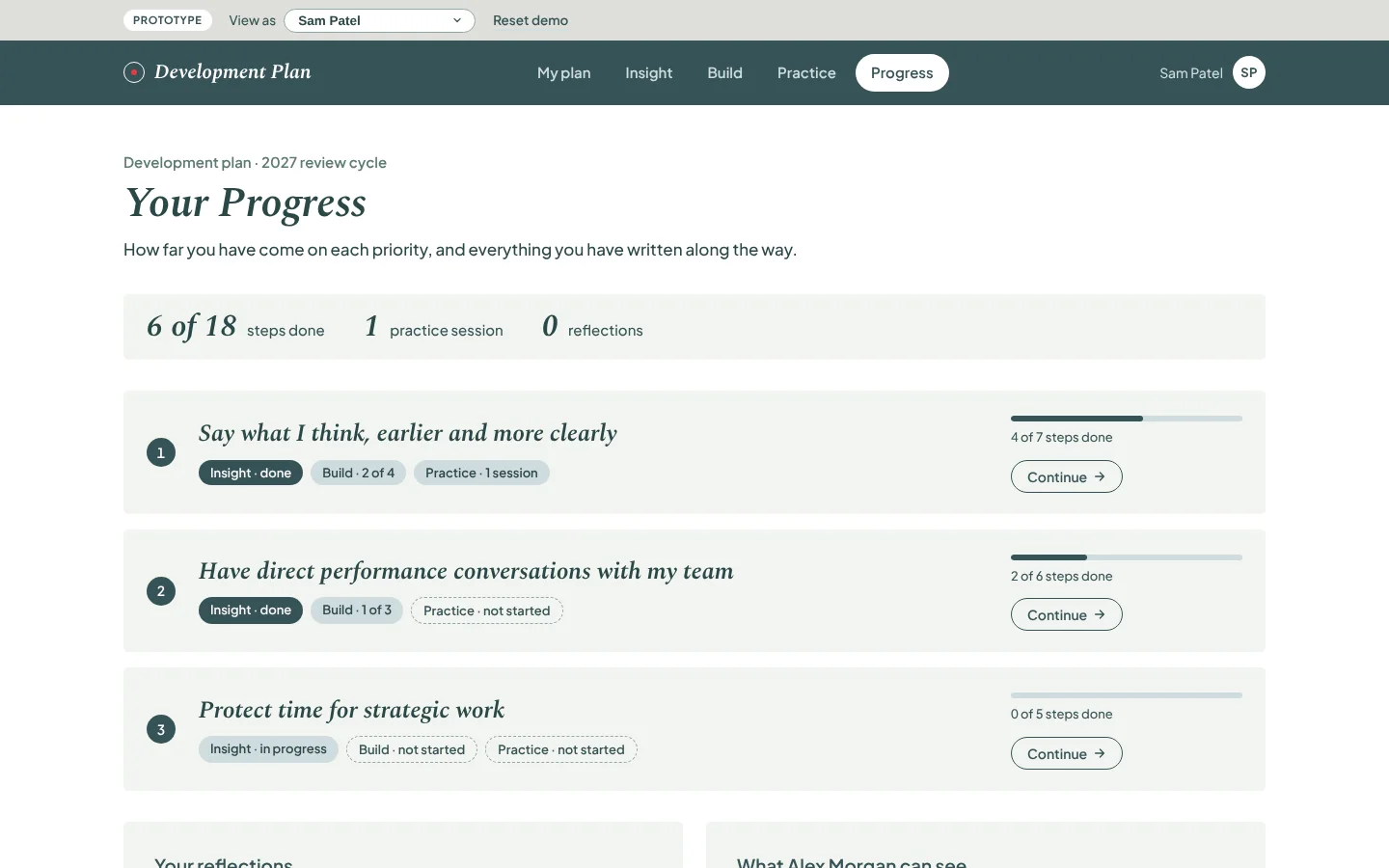
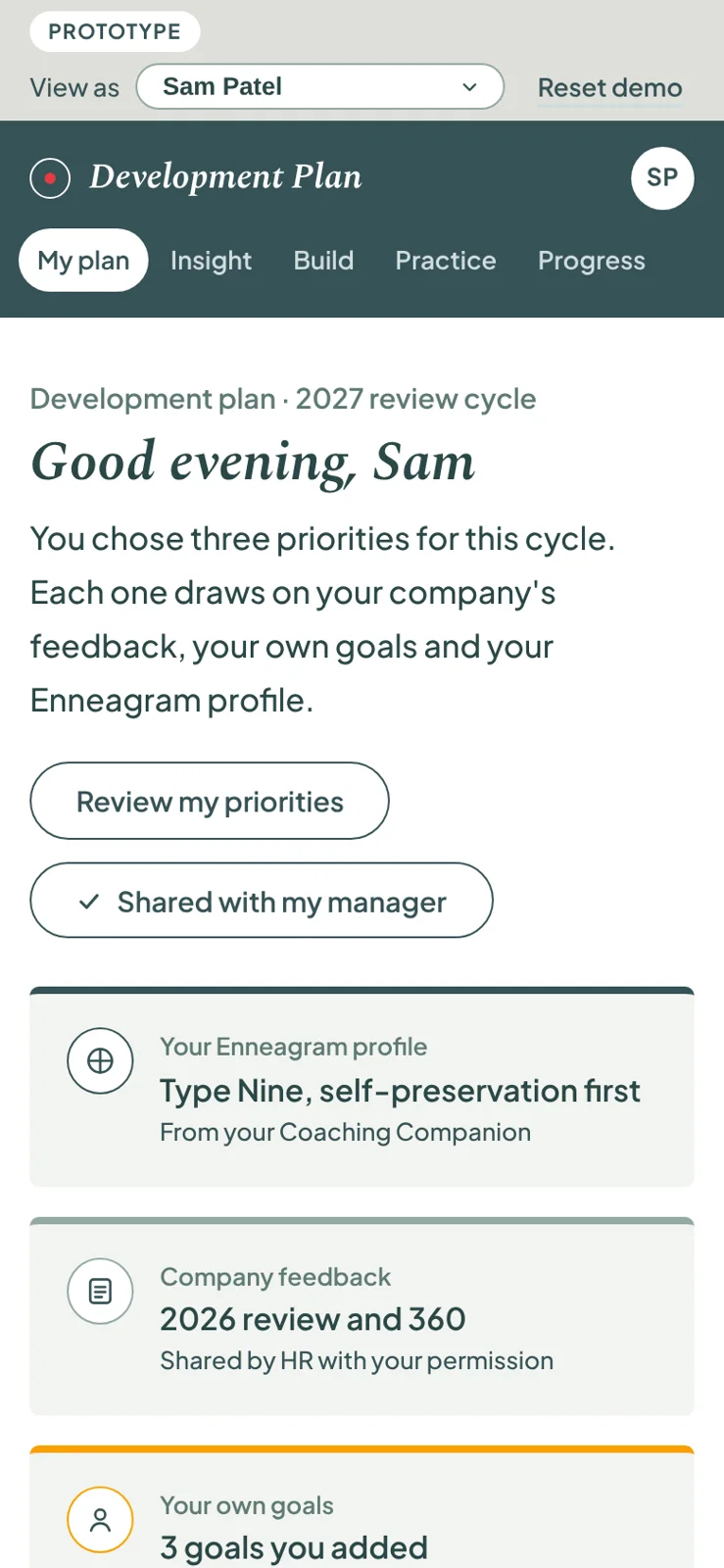
Placeholder.
The manager's view
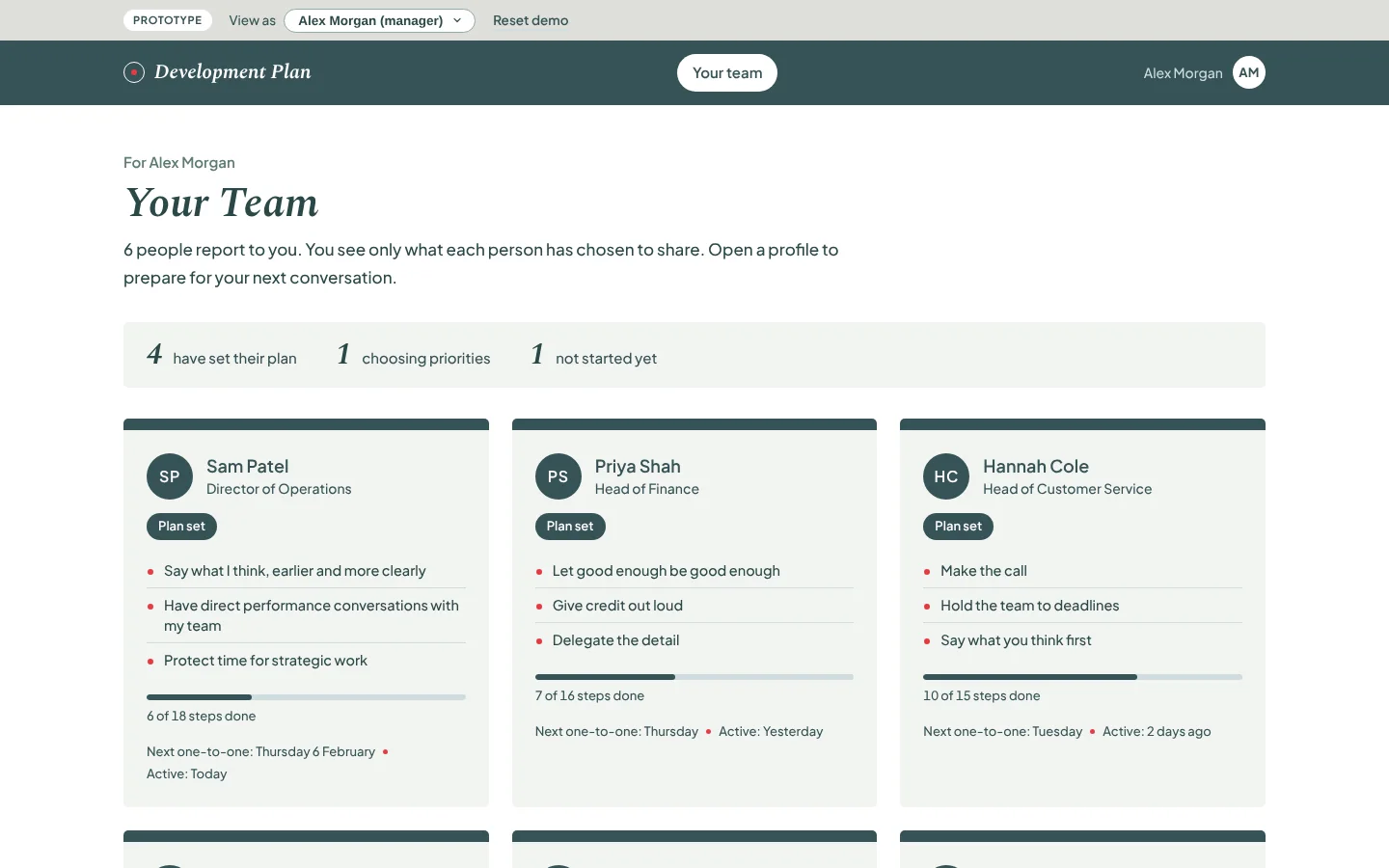
Placeholder.
Early Hustles
Origami, keyboards, a car wash, sneakers
2015 – 2023
Early Hustles
Origami, keyboards, a car wash, sneakers
-
2015 – 2018
Lemonade, books and origami
My first hustles
Age 6–9 (2015–18). Origami sold to my class in grade 3.
-
 Age 11
Keyboard Kid
Custom keyboards, built and sold at 11
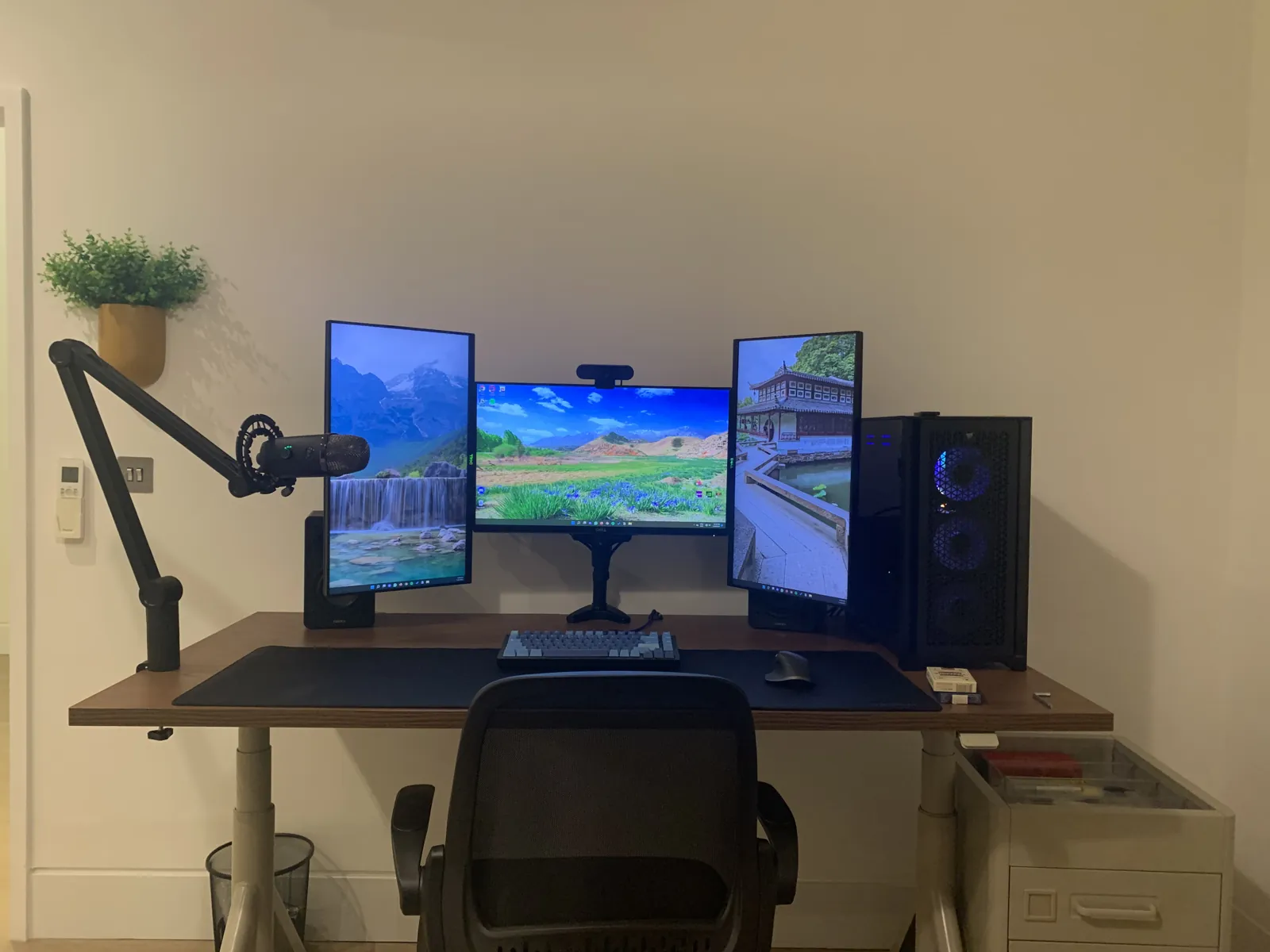
At 11, I loved building keyboards. So I turned it into a business where I sold custom, high quality keyboards.
I pitched a product for the first time. And had two customers ultimately.
The setup
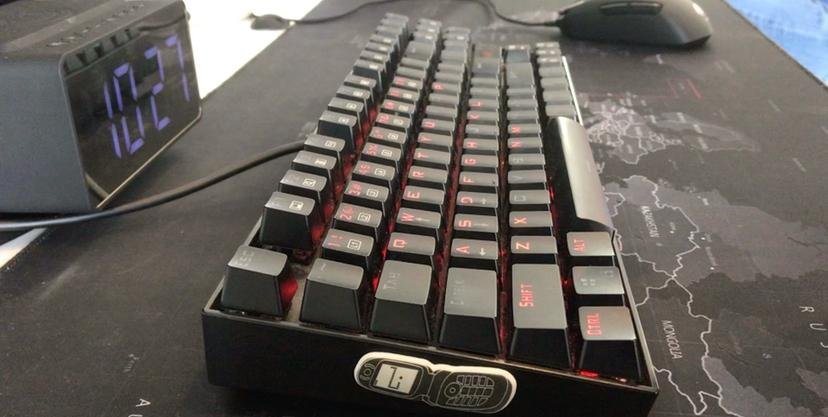
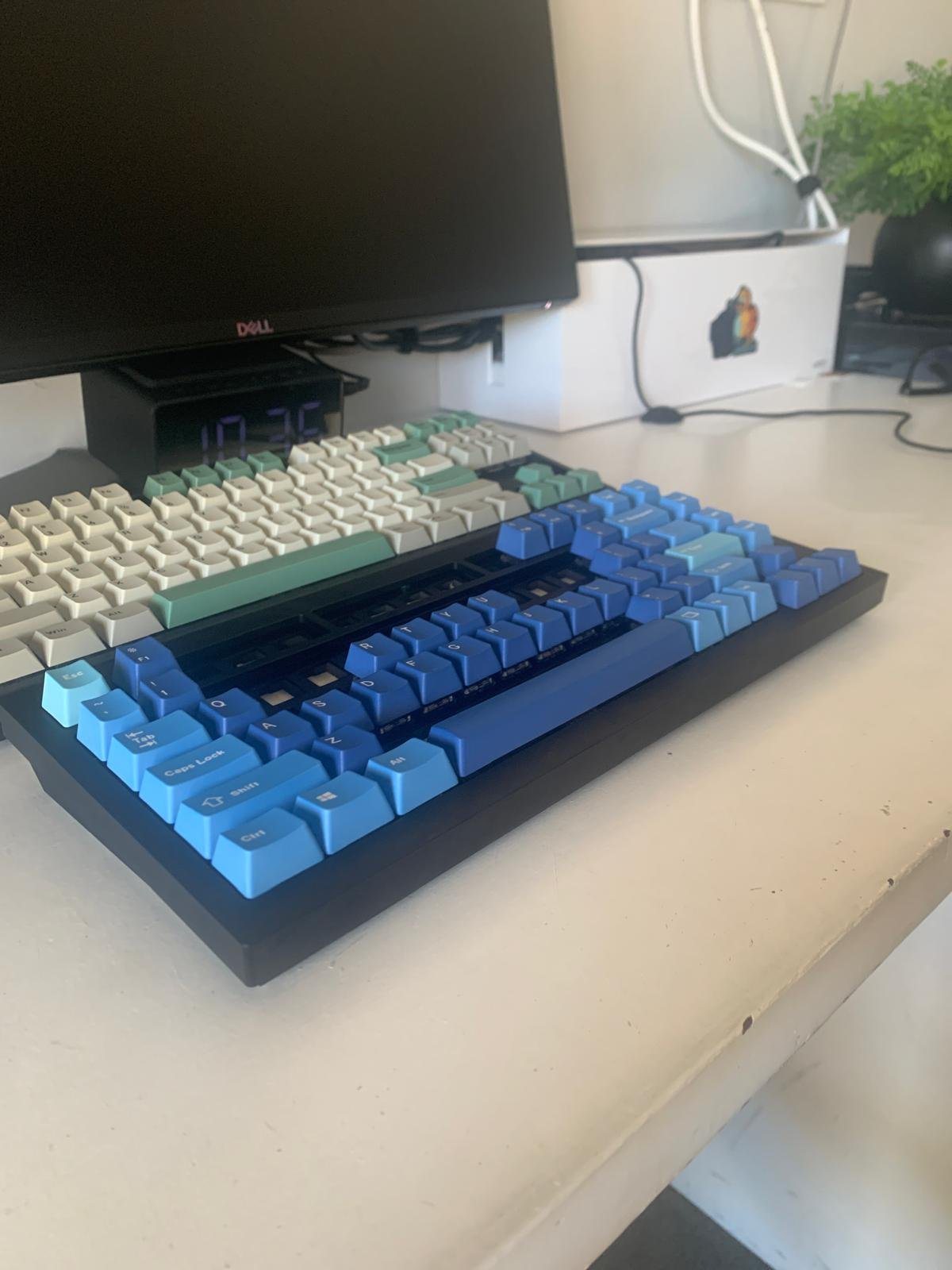
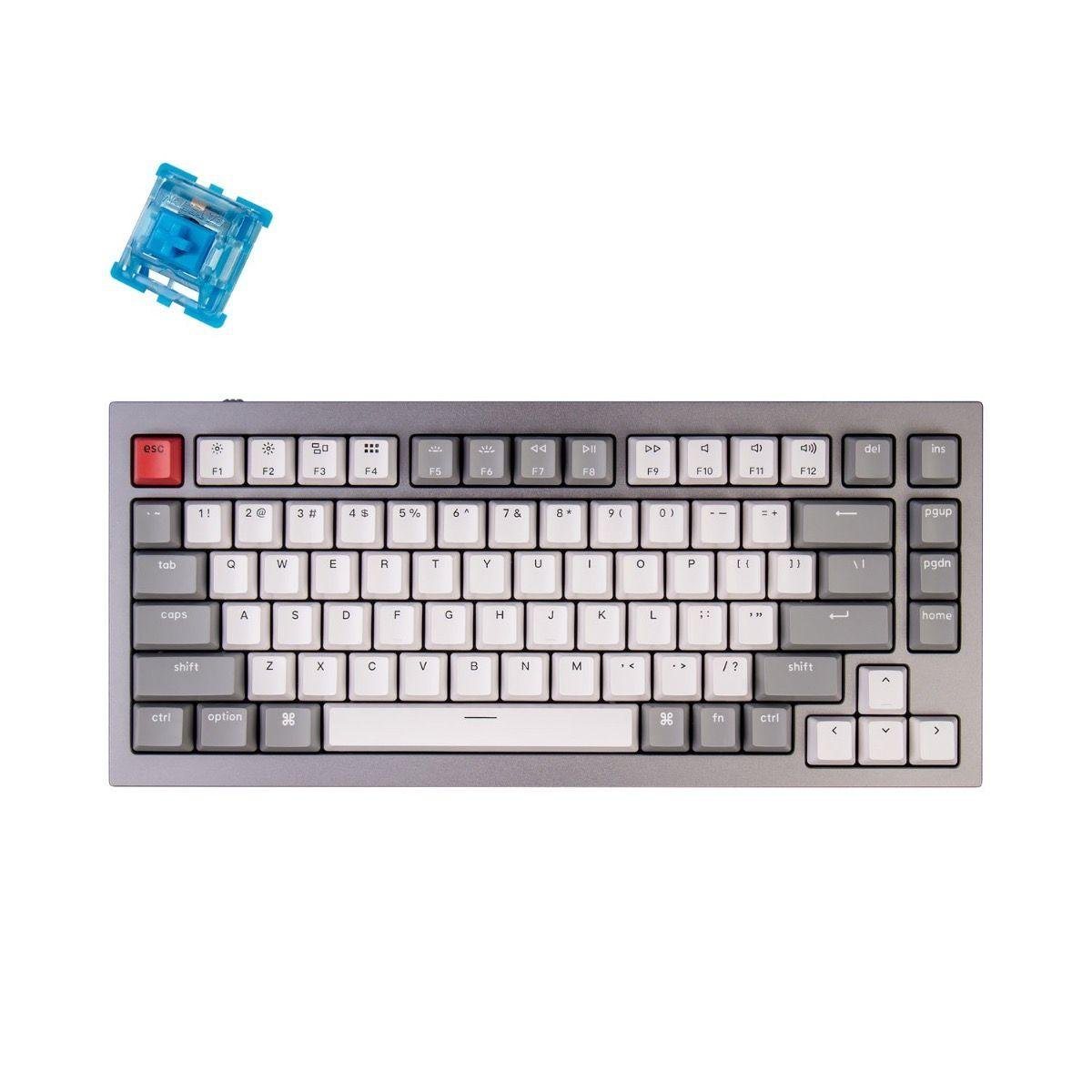
Each keyboard took around 10 hours to build.
The Pitch
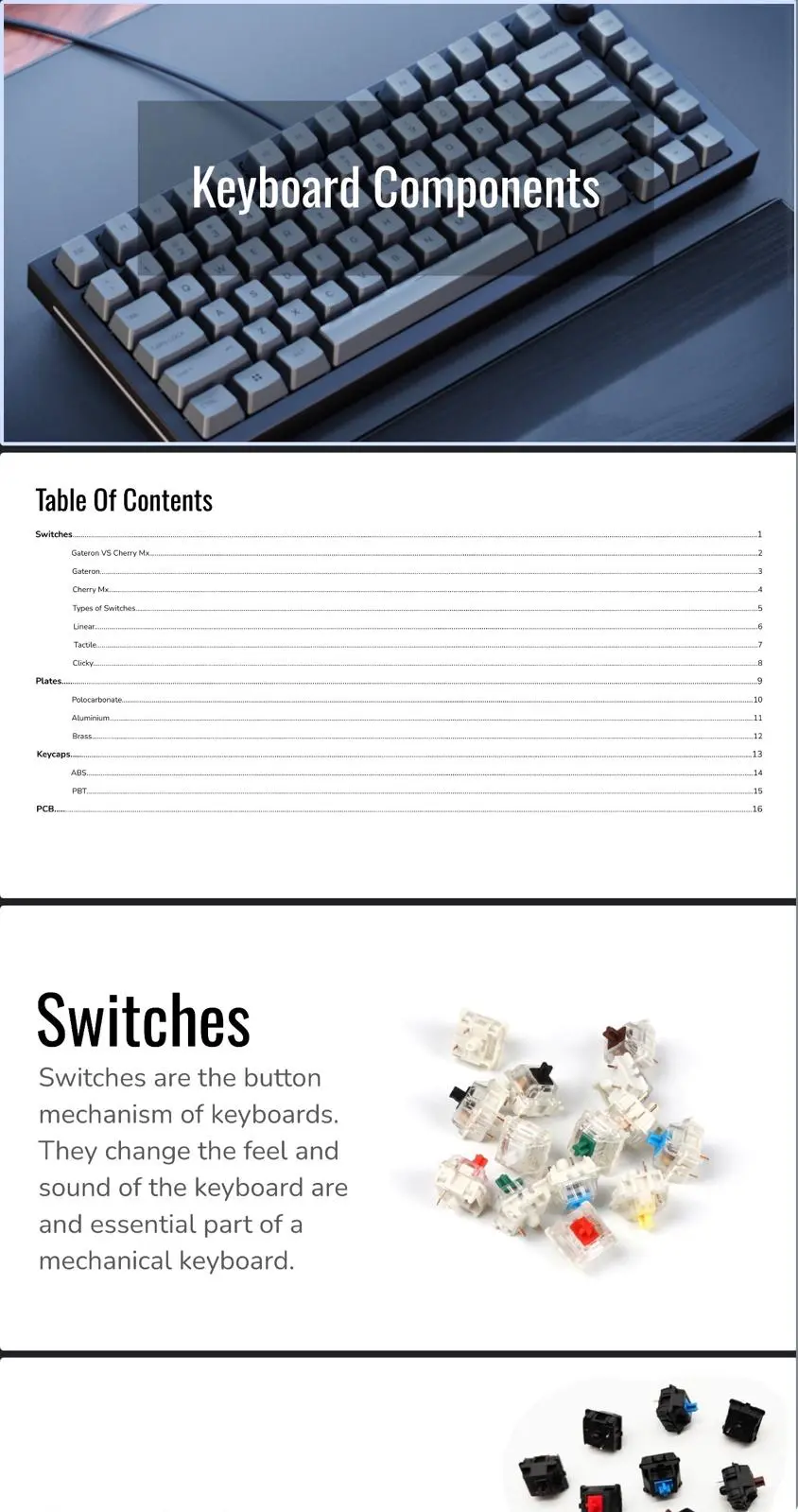
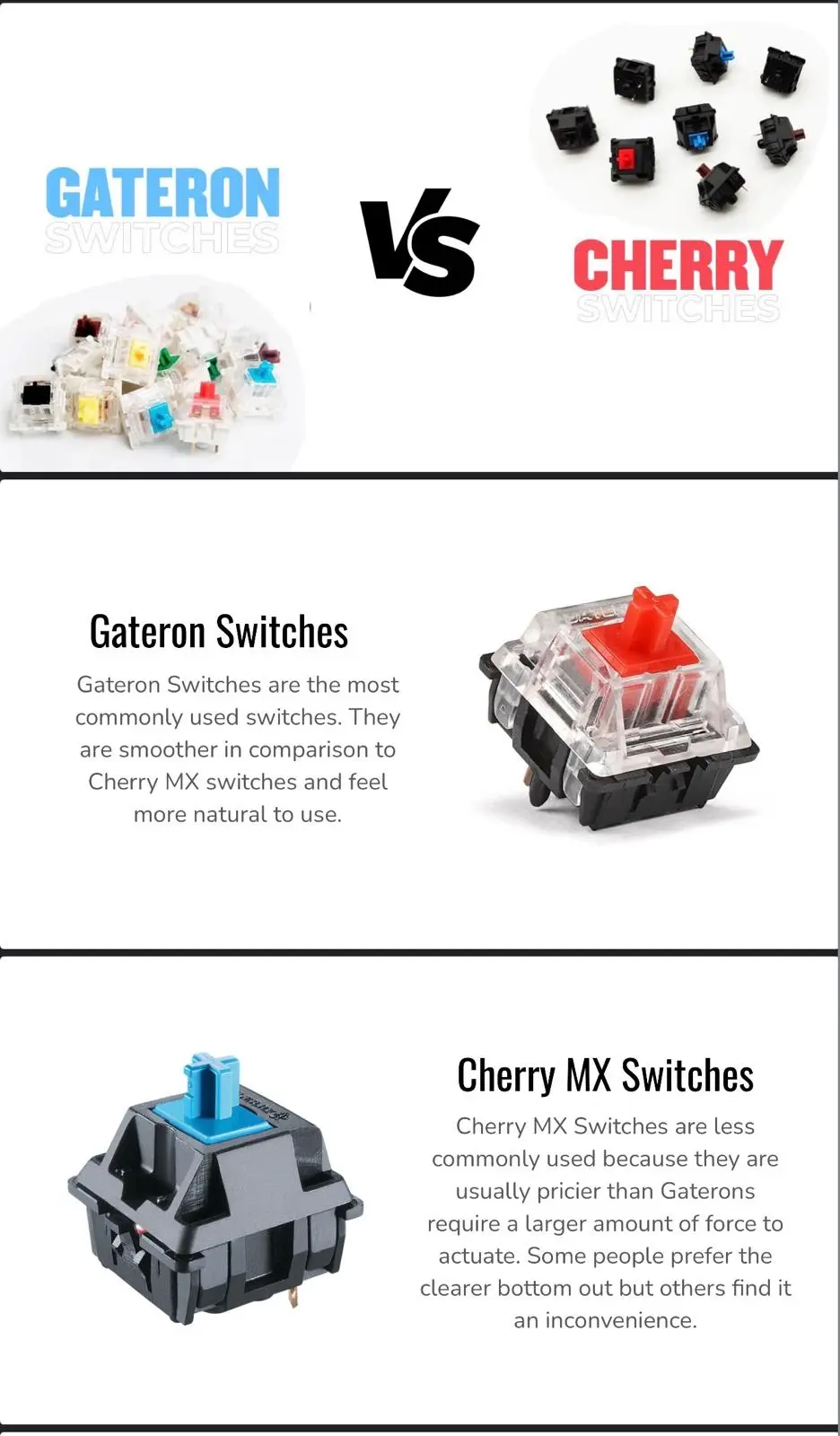
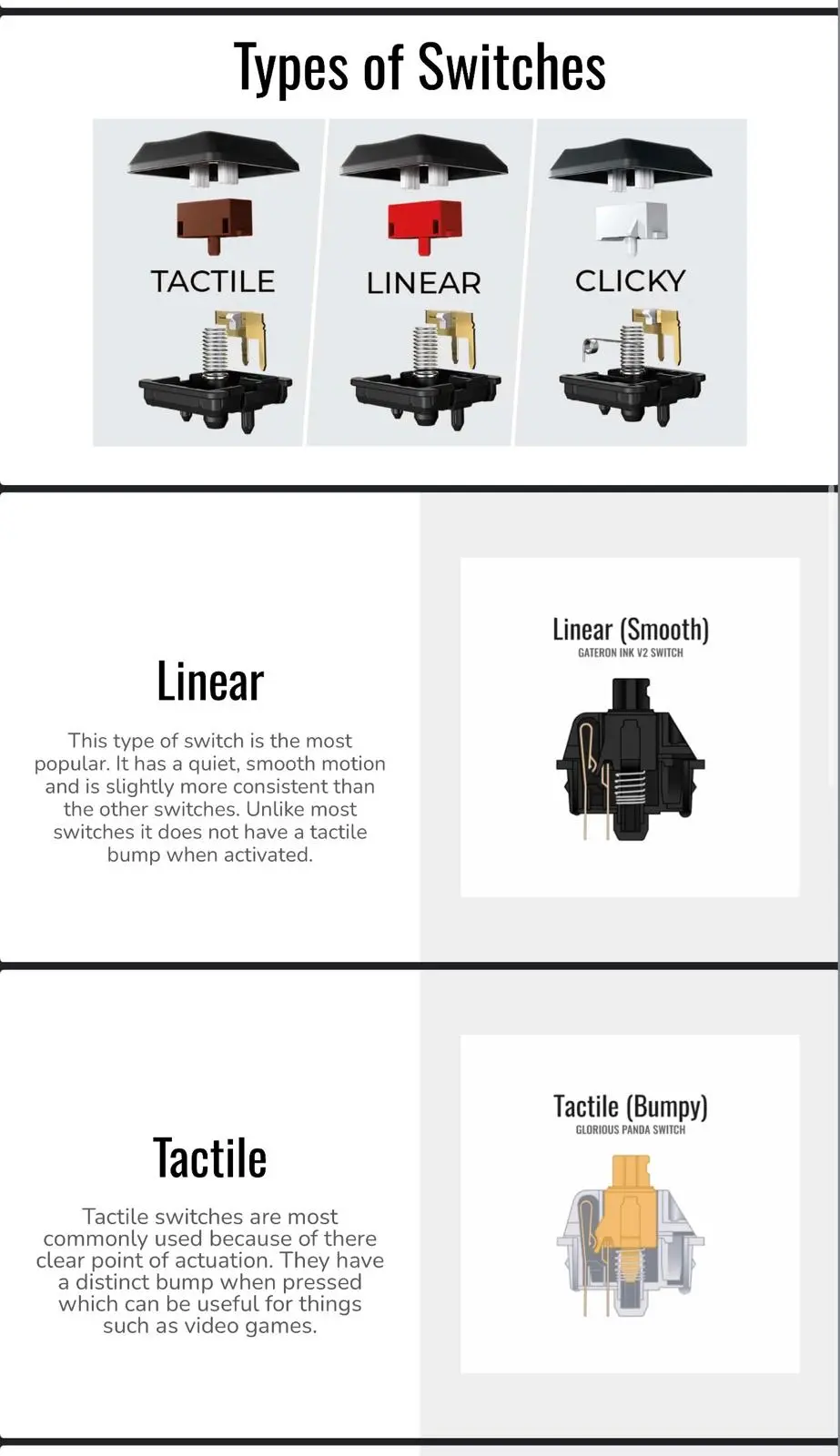
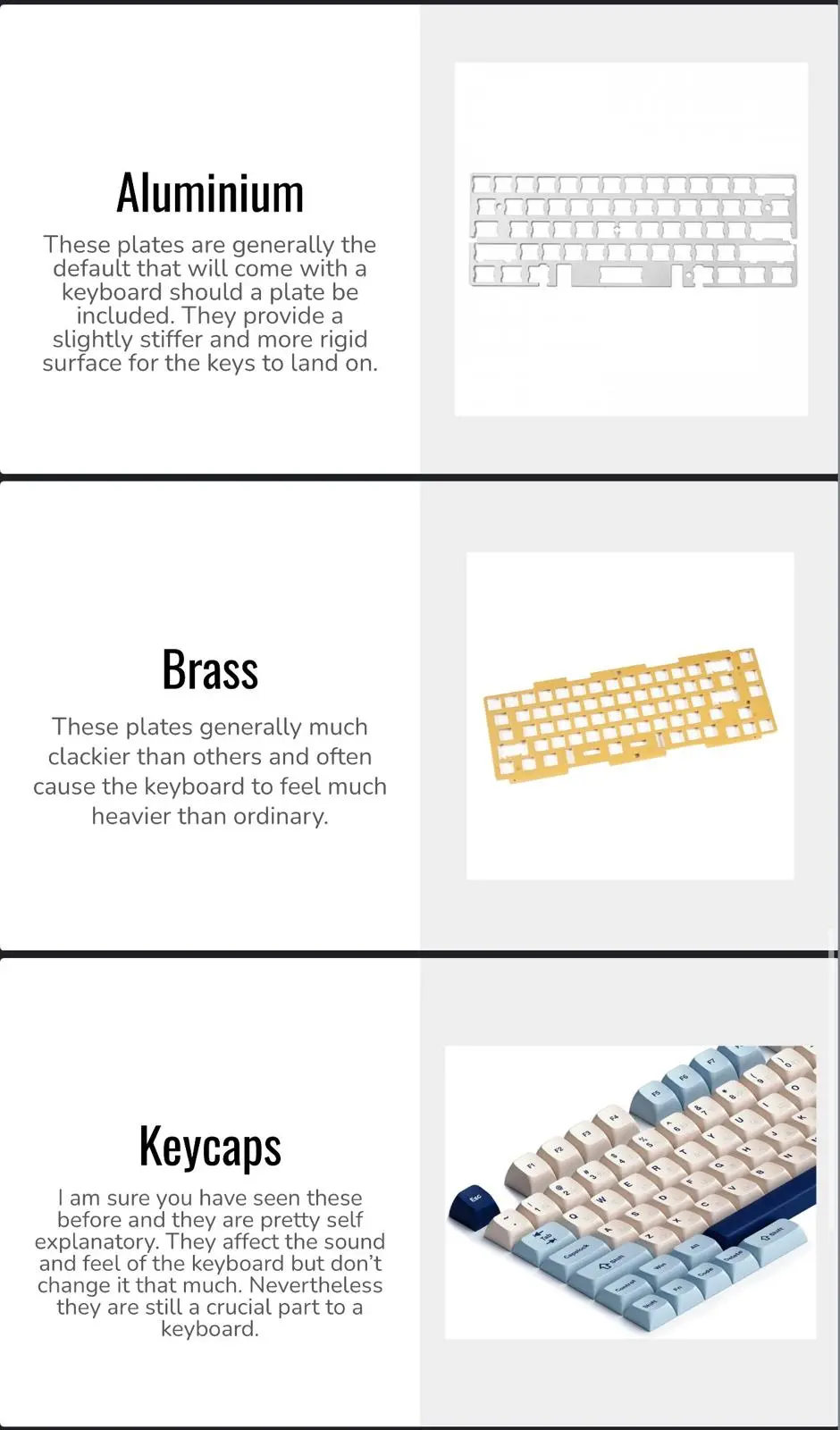
With just a slideshow, I presented the different parts of a keyboard and why it was worth purchasing a custom one.
-
2023
The car wash
Flyers, door knocking and my first cold outreach
Grade 9, age 14. Ran a car wash business. I designed and put flyers through doors all over the neighbourhood and knocked on doors myself to find clients. It was my first cold outreach, and although the business itself wasn't that successful, it taught me to overcome my fear and relentlessly pitch.
-
2023
Sneaker Flipping
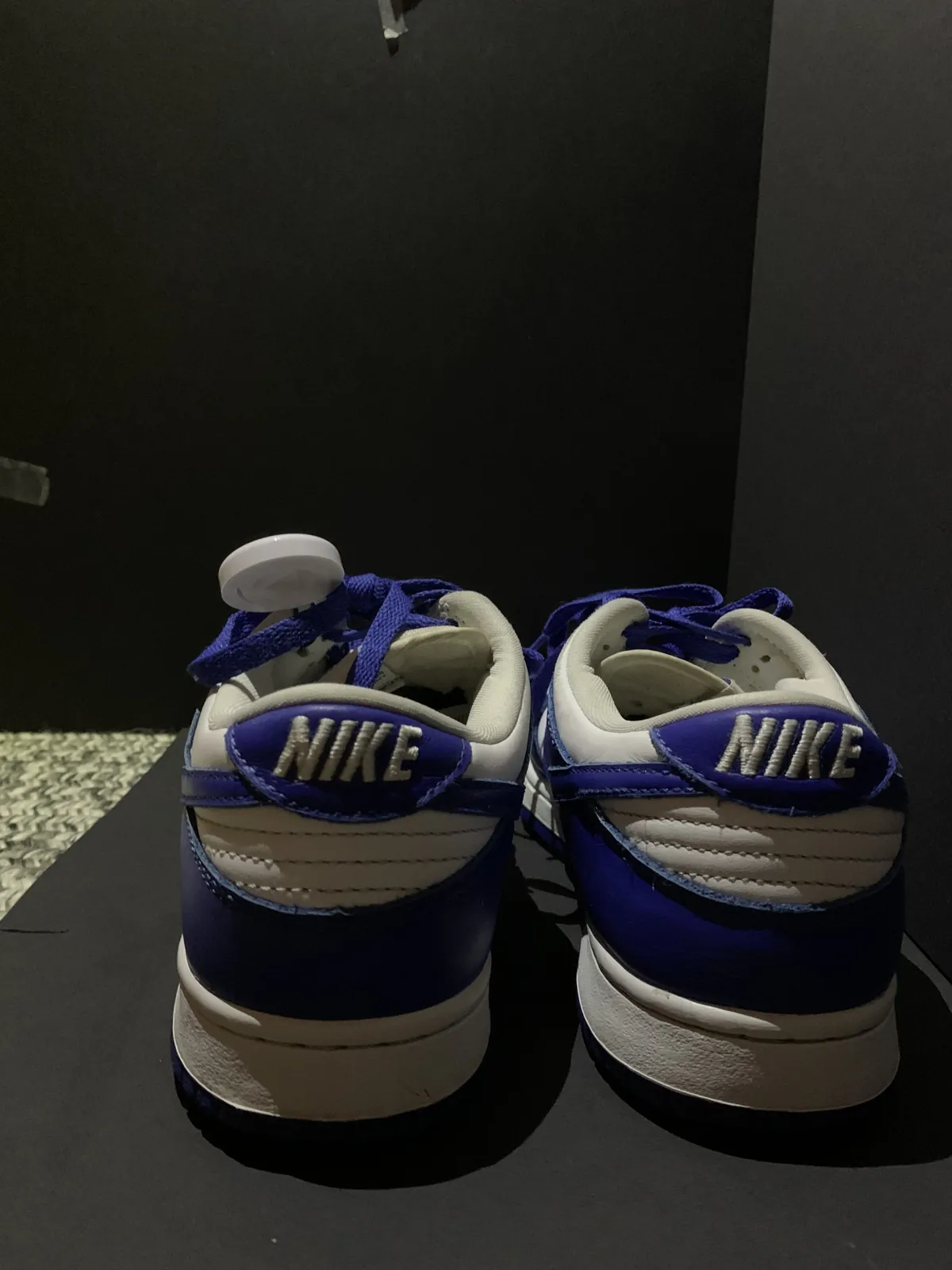
Buying, revamping and reselling sneakers
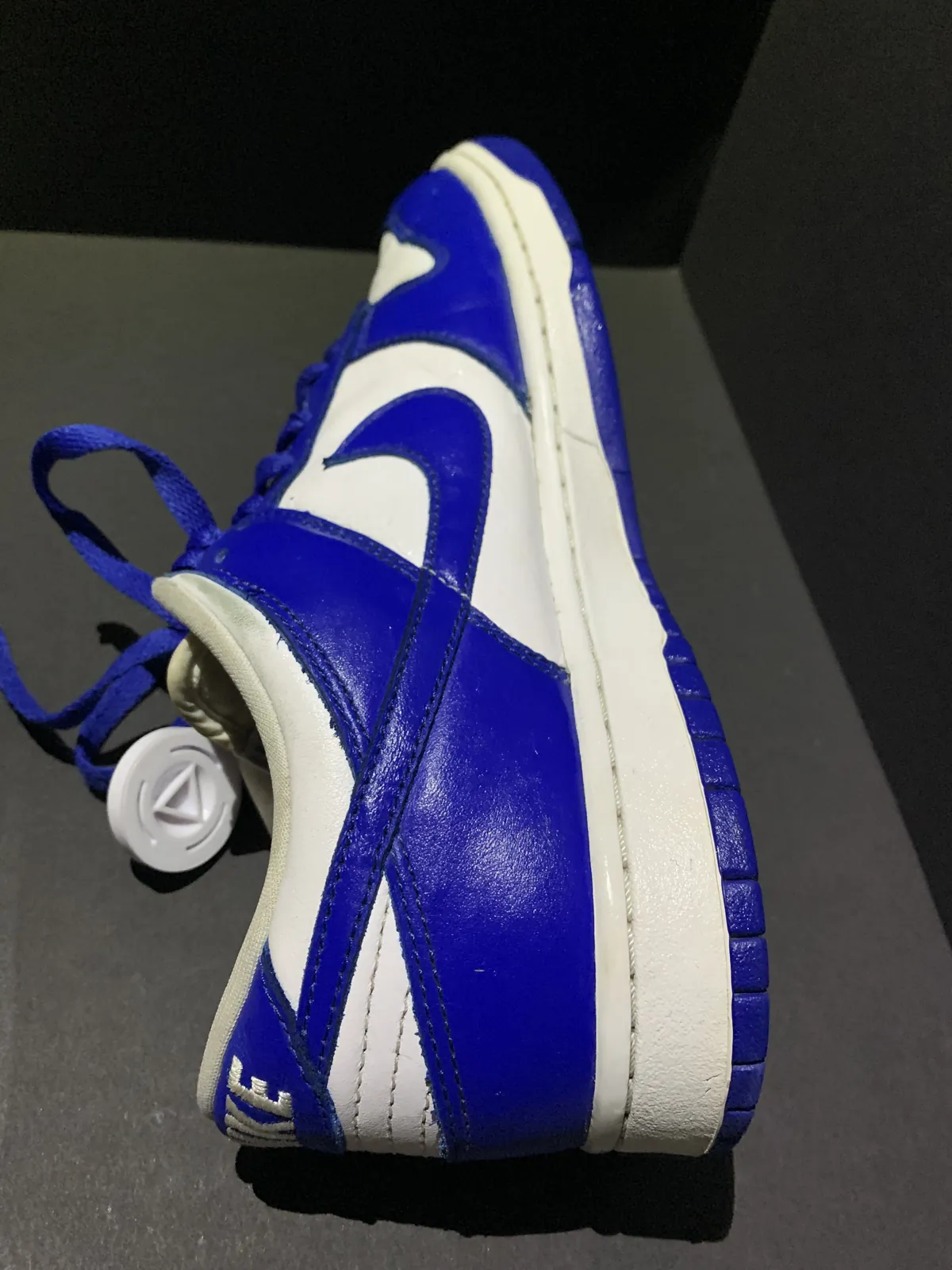
2023. Buying and reselling sneakers, and learning what margin, demand and timing actually mean. From getting scammed, banned on different platforms, and struggling to break even, to testing ways to revamp shoes to increase my margin, this was another learning.
I lost a lot of money here :(
Revamping
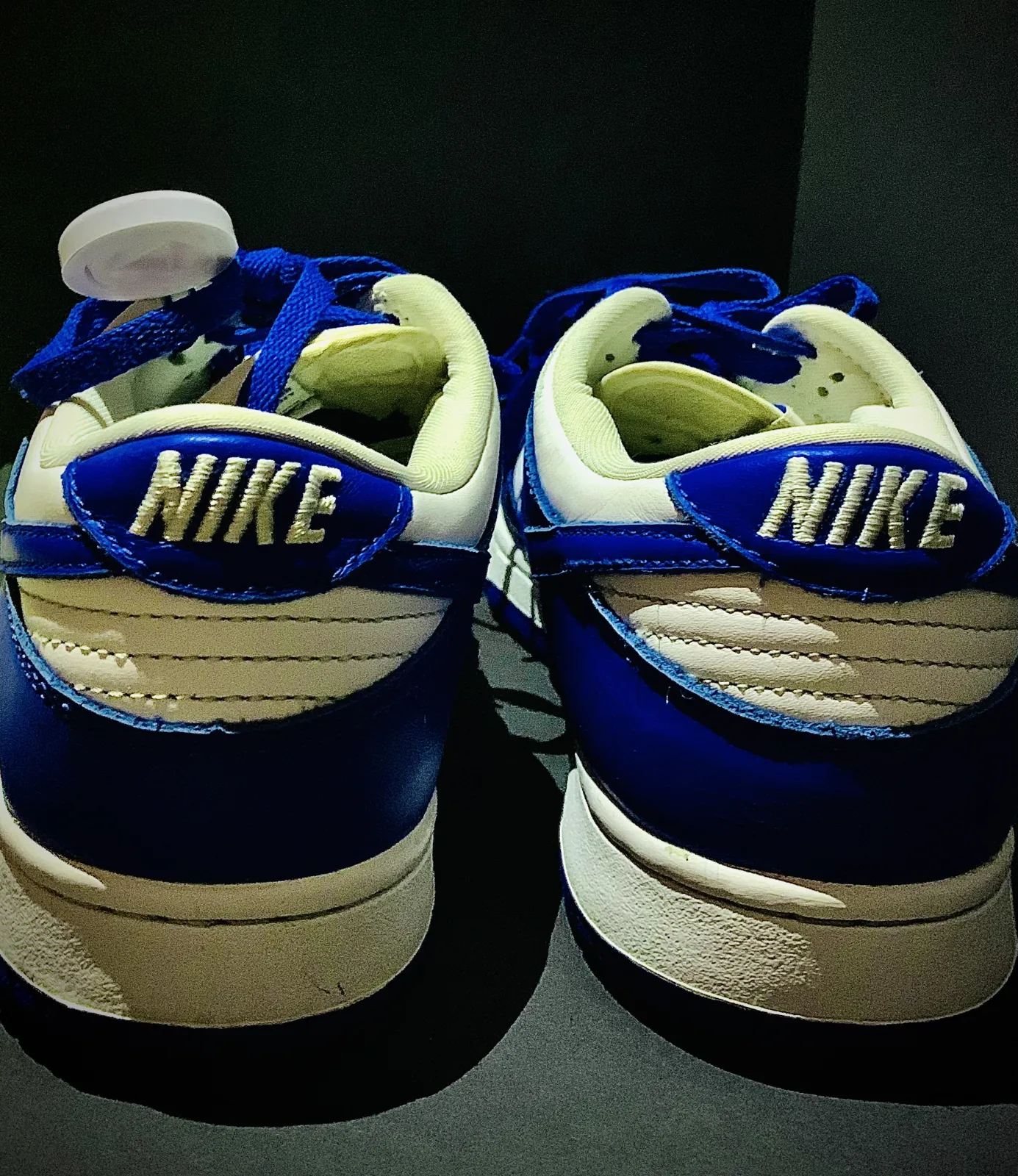
It was important to try and find shoes that I could increase the value of significantly by giving them a clean and doing some treatments for creases.
Sourcing the Shoes
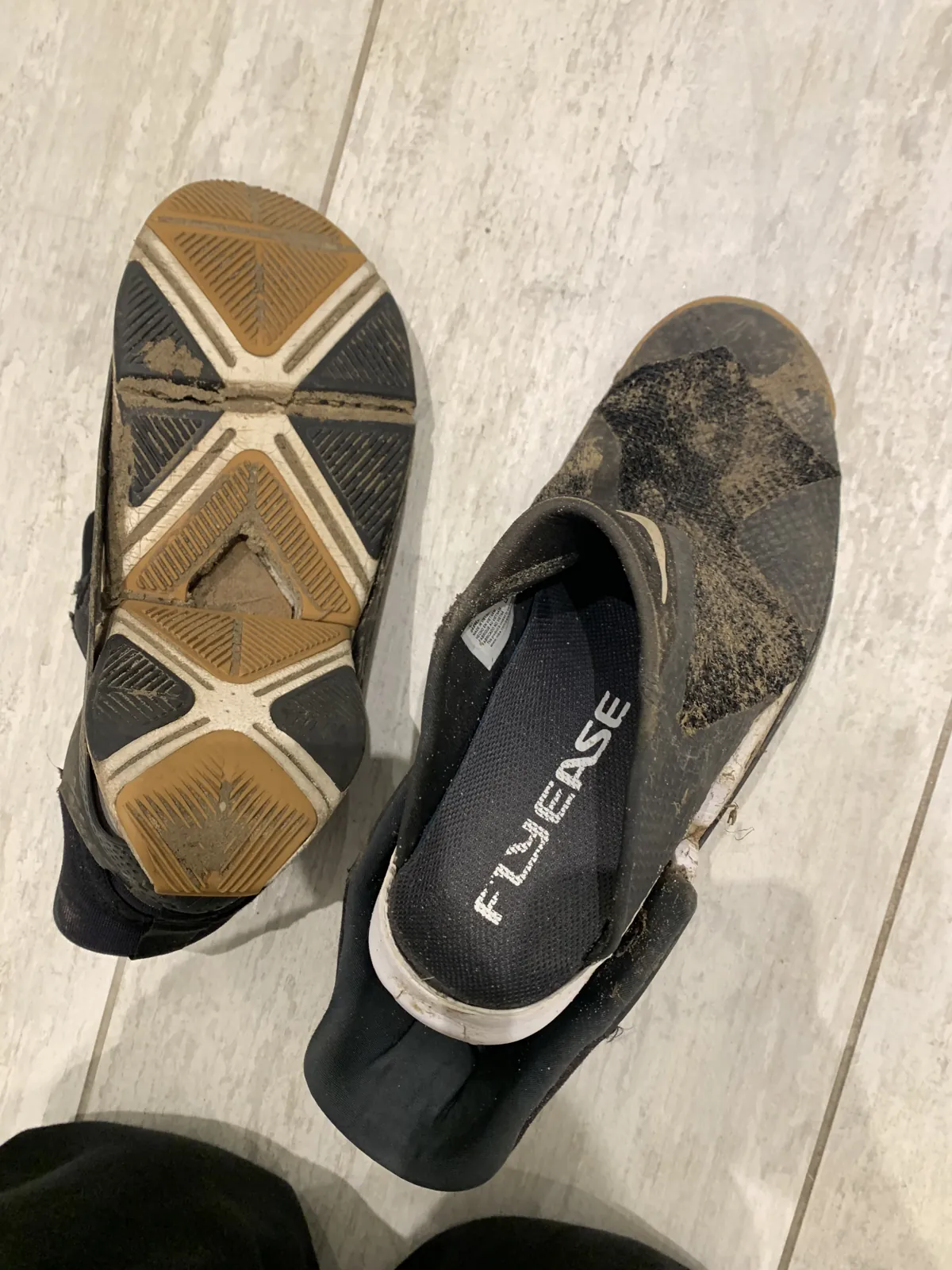
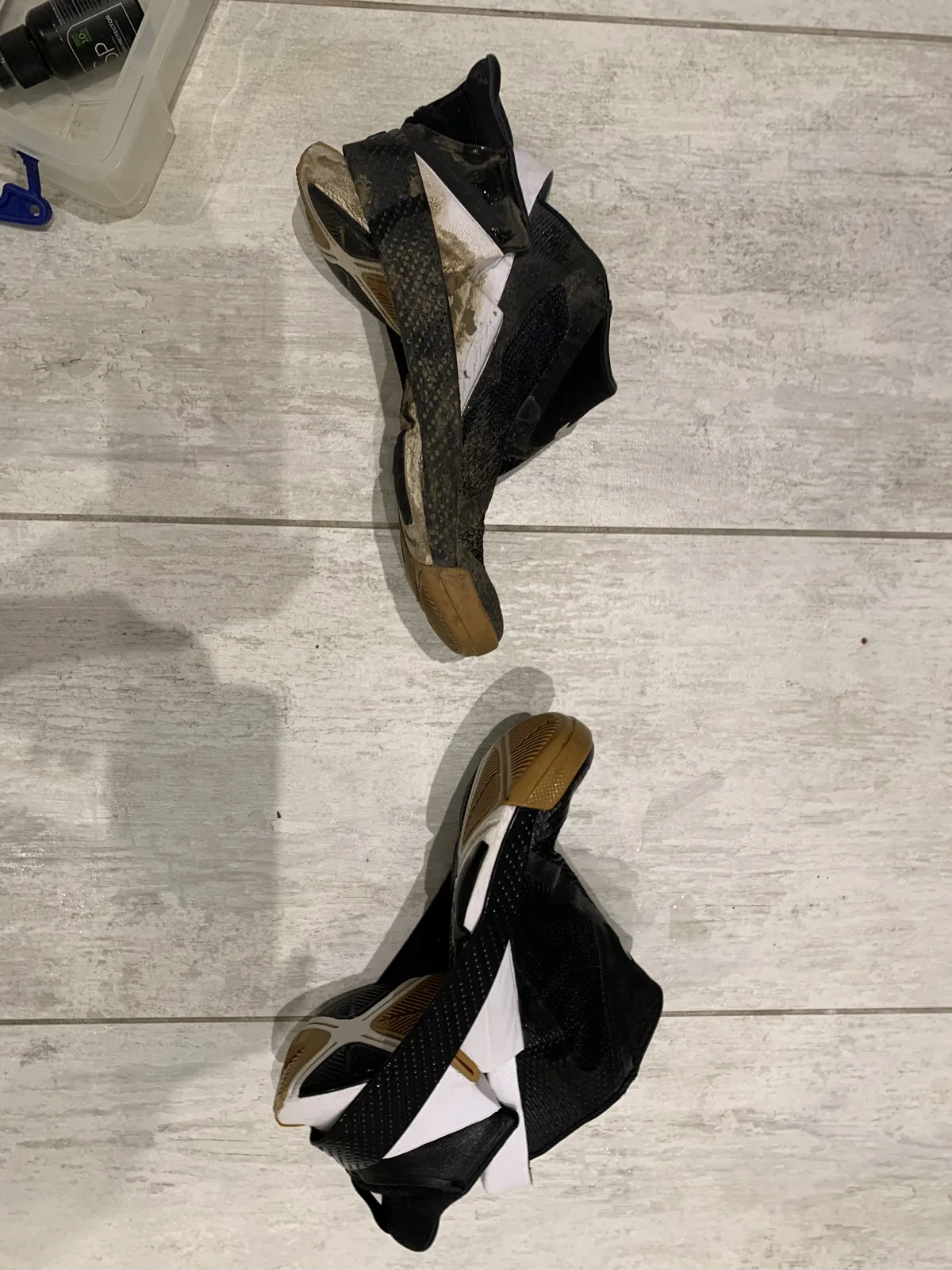
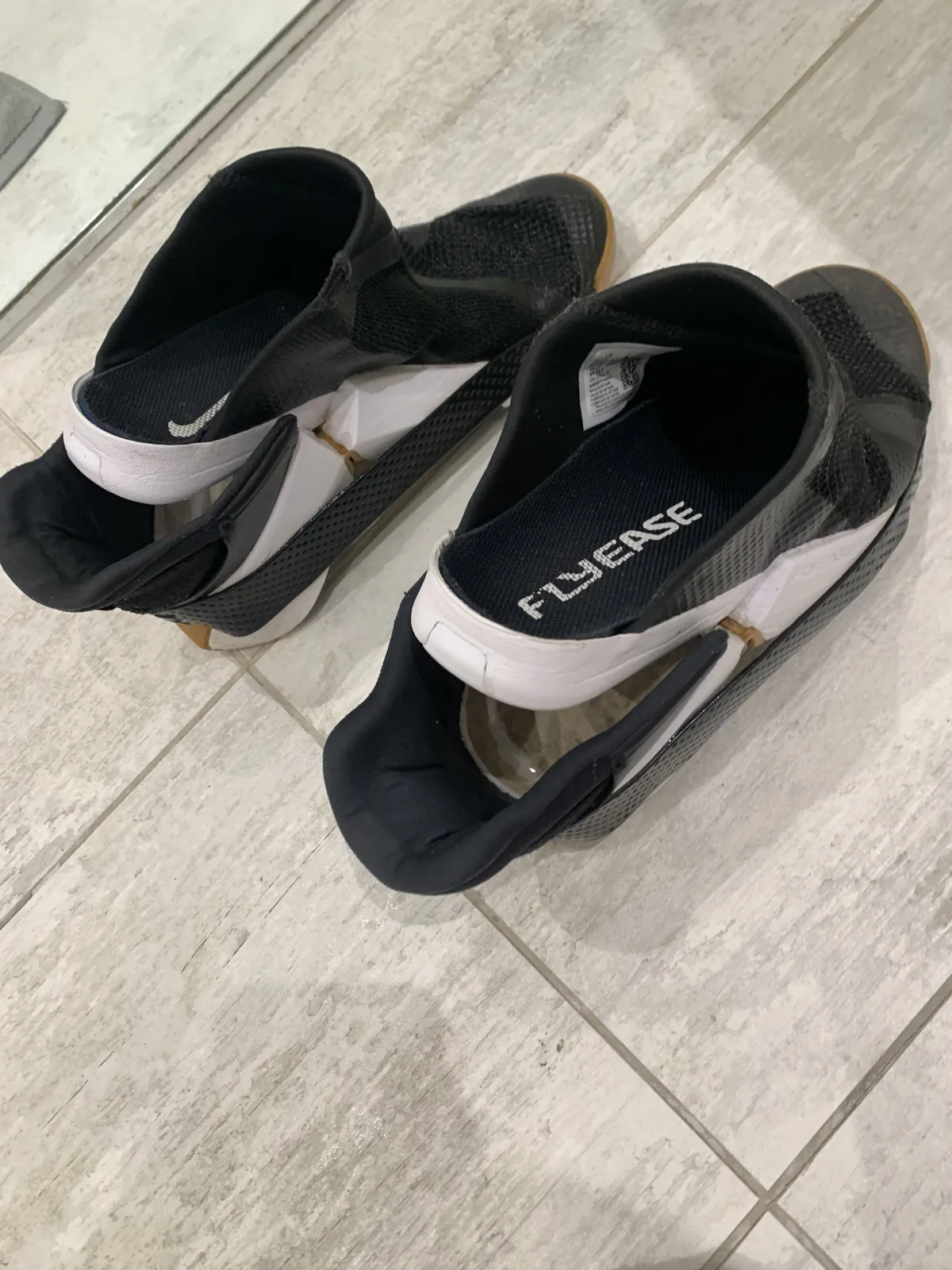
Buying and reselling sneakers, and learning what margin, demand and timing actually mean.
Construction
Things I built
I've always been passionate about designing solutions to problems. When I see an issue, I think of a better way to do it, and then I make it.
-
 052026 – Present
Meritus
A 3D strategy game: guide Rome from 509 to 27 BC
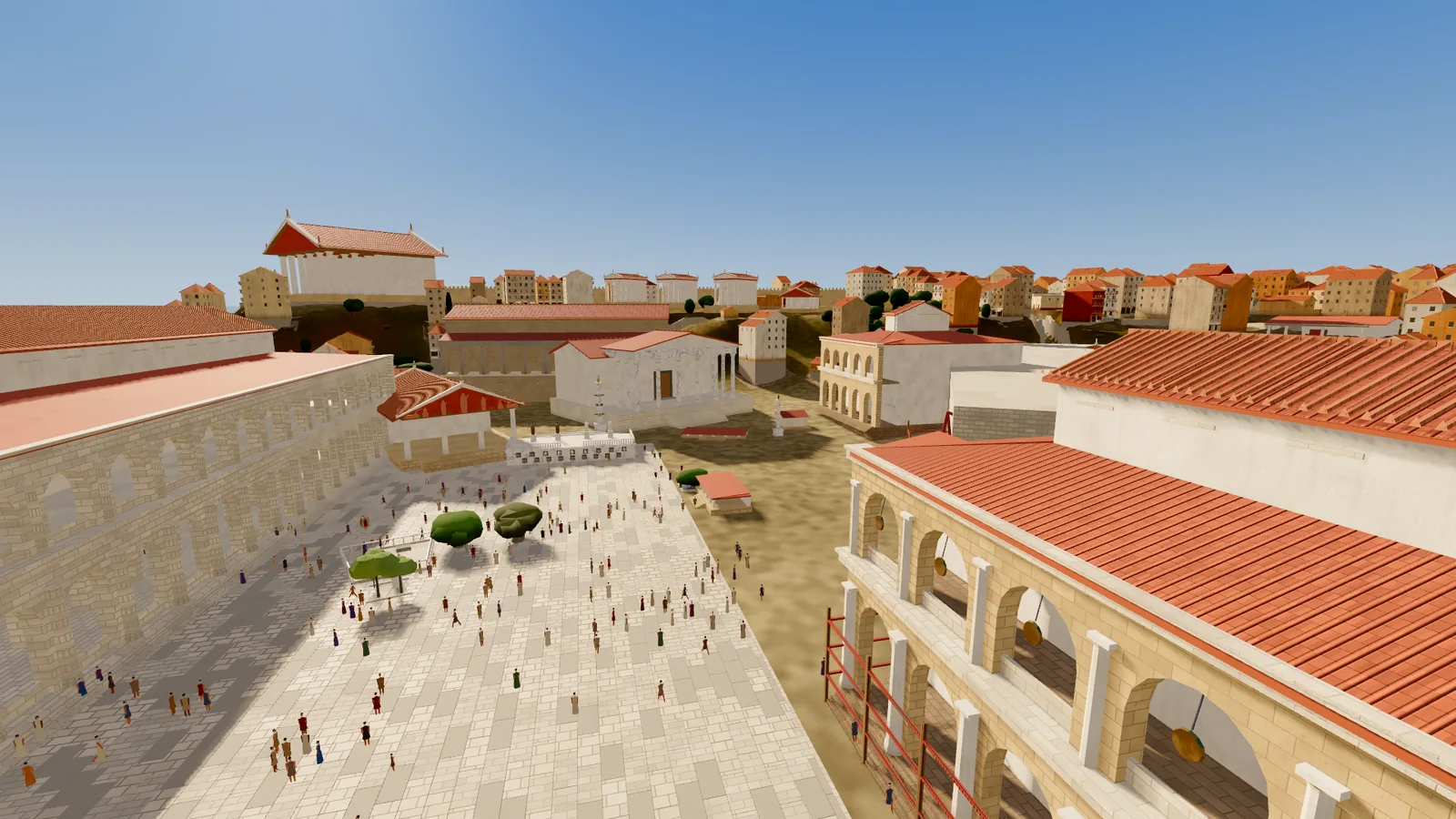
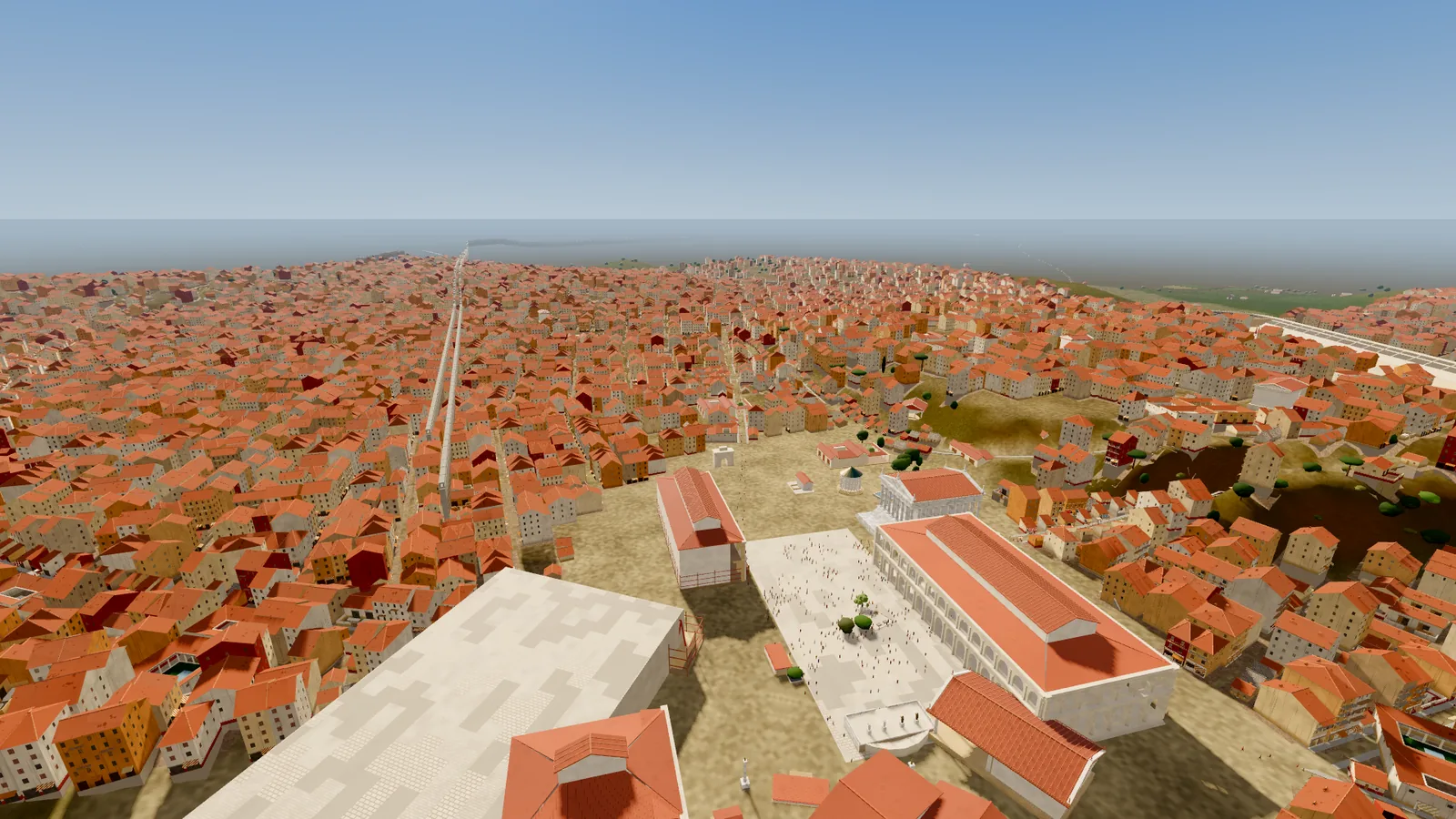
A turn-based strategy game where you guide Rome from 509 to 27 BC by feeding it ideas ahead of their time. An AI reads each idea; a deterministic engine decides what Rome can actually build.
This is my game: you whisper ideas to Rome, and see if it can build them.
Why I built it
It started chatting with a friend about the best advancement to take back in time to conquer the world. I was so eager to explore this further. I wanted a way to go back in time and test out what would happen if you gave ancient Rome, sanitation and artillery, or a small empire that was otherwise crushed. So I built it.
The idea
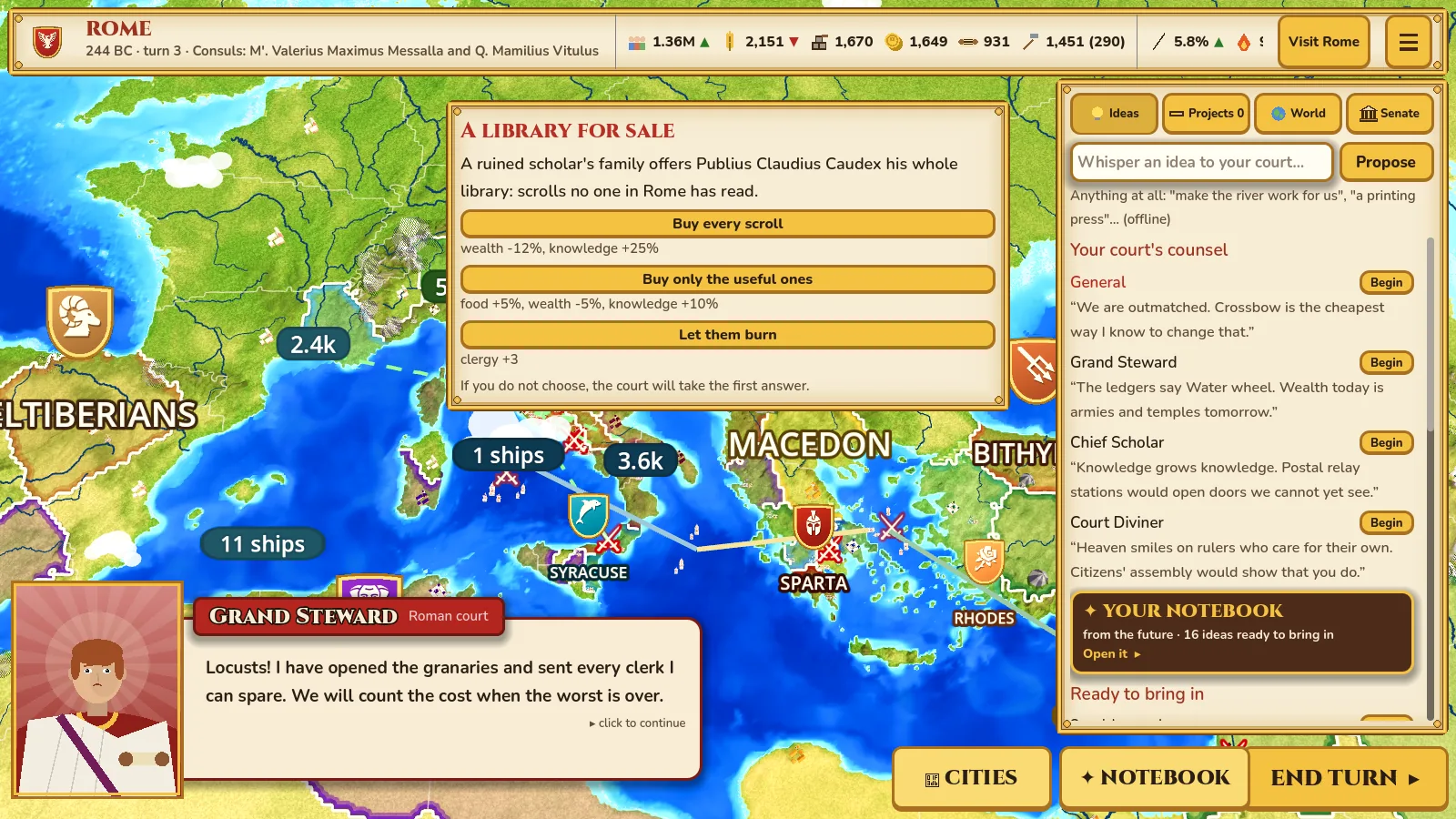
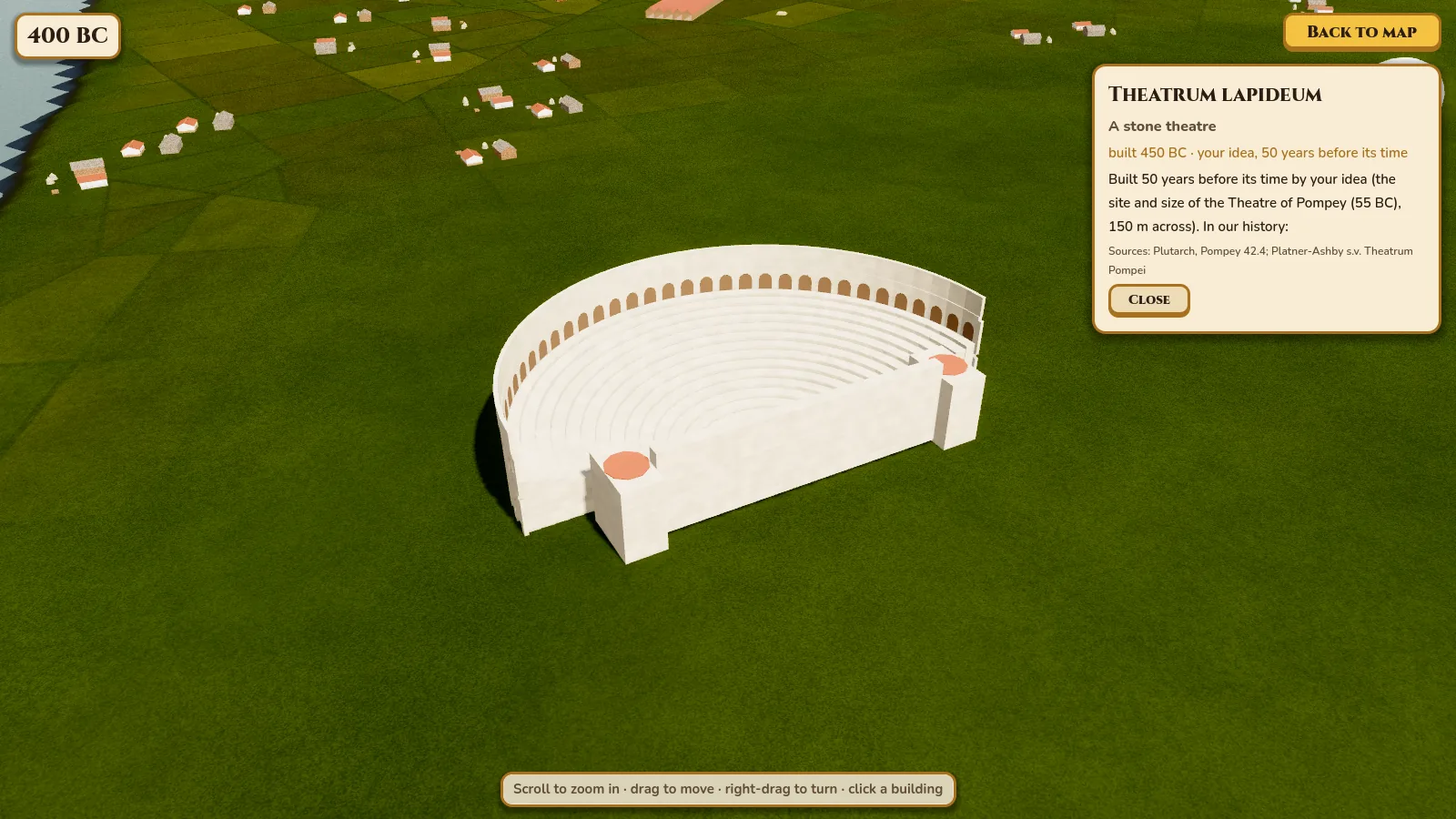
You are the unseen hand behind the Roman Republic. Type any idea to your court, from "make the river work for us" to "a printing press". It is weighed against what Rome actually knew that year, and knowing an idea is not the same as being able to build it: every advance needs materials, skilled people and acceptance first.
Rome governs itself
Each turn is a consular year. The real consuls come from the Fasti, the Senate is filled by the great families, and famous figures arrive on cue, unless your changes alter history.
A city you can walk into
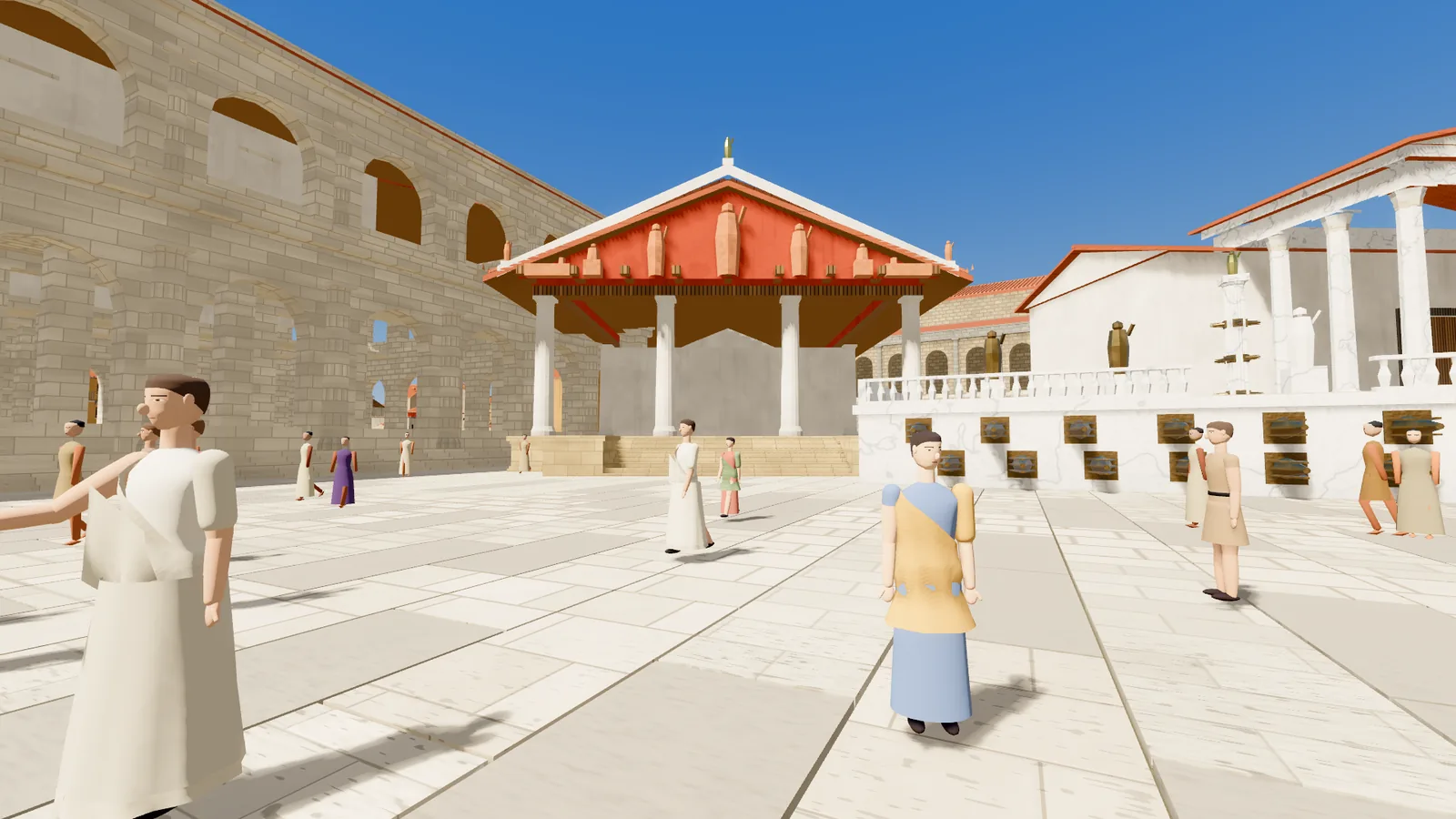
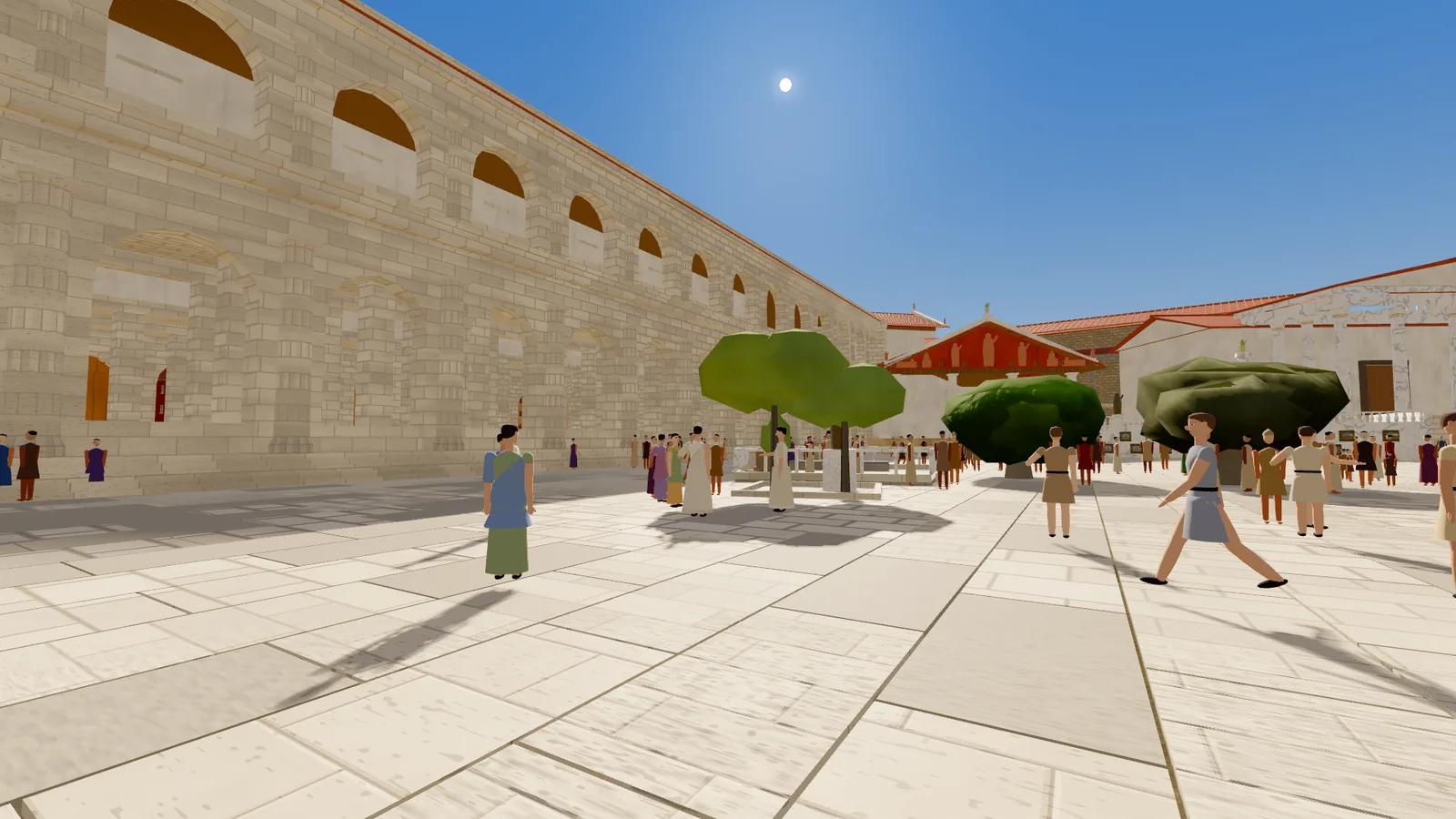
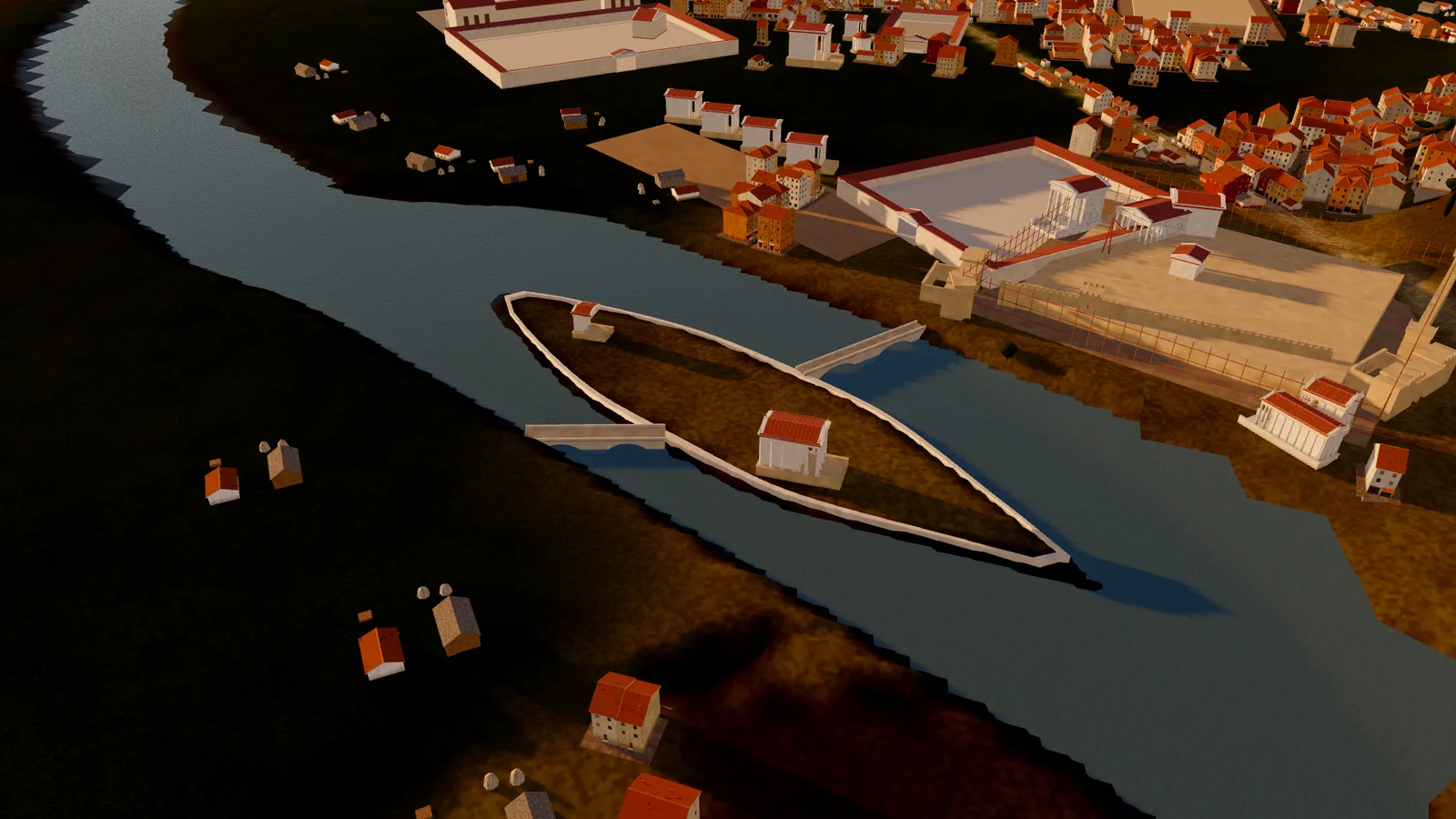
Zoom from the map to the whole city, down to the street and inside its buildings. Rome in 50 BC has 160 dated monuments and 20,000 buildings inside the walls, and the city fills with races, triumphs and the Senate in session as the game's events happen.
The races
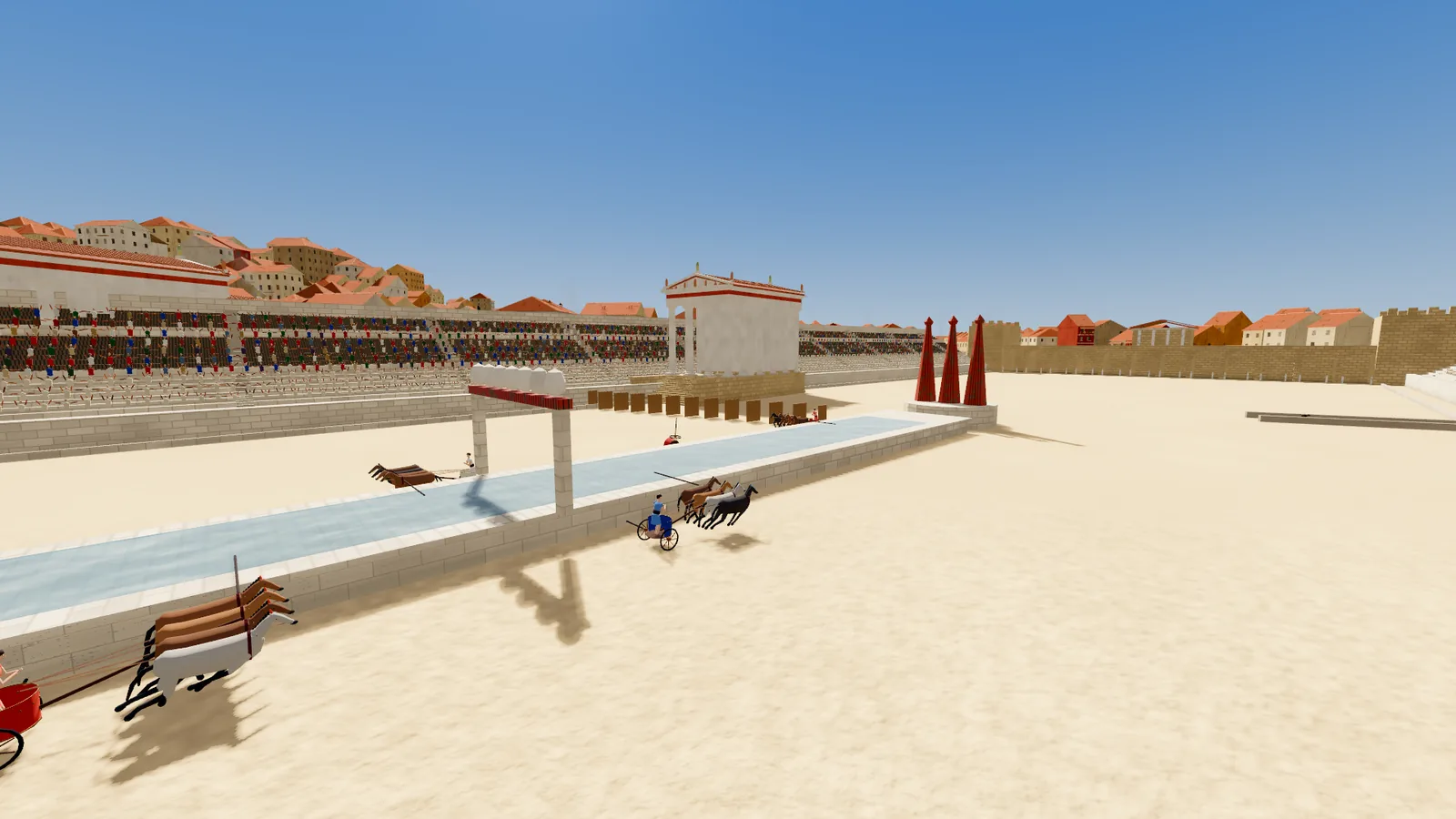
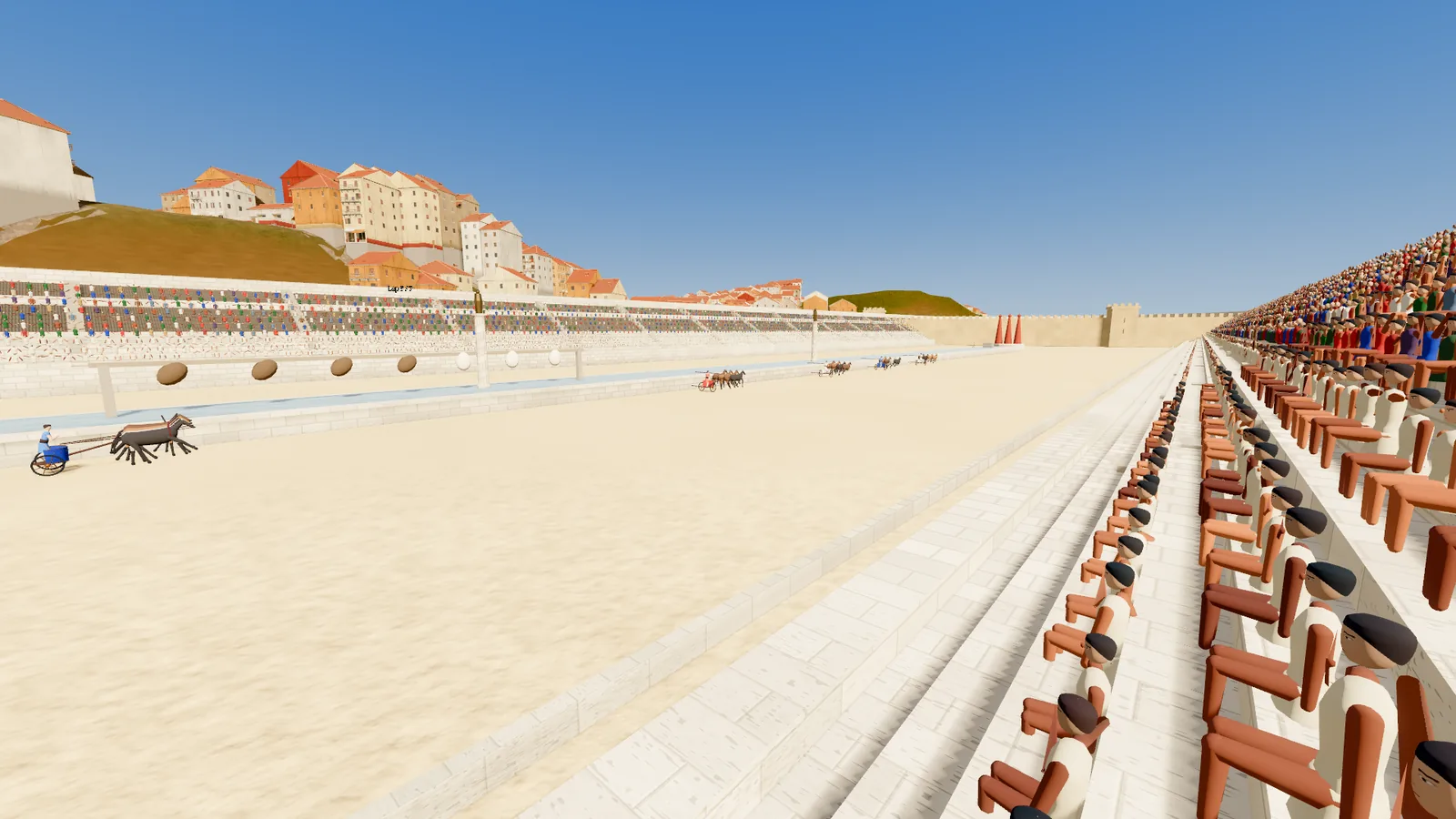
The Circus Maximus during the Roman Games: four teams, seven laps, watched from the stone seats.
509 BC and 44 BC
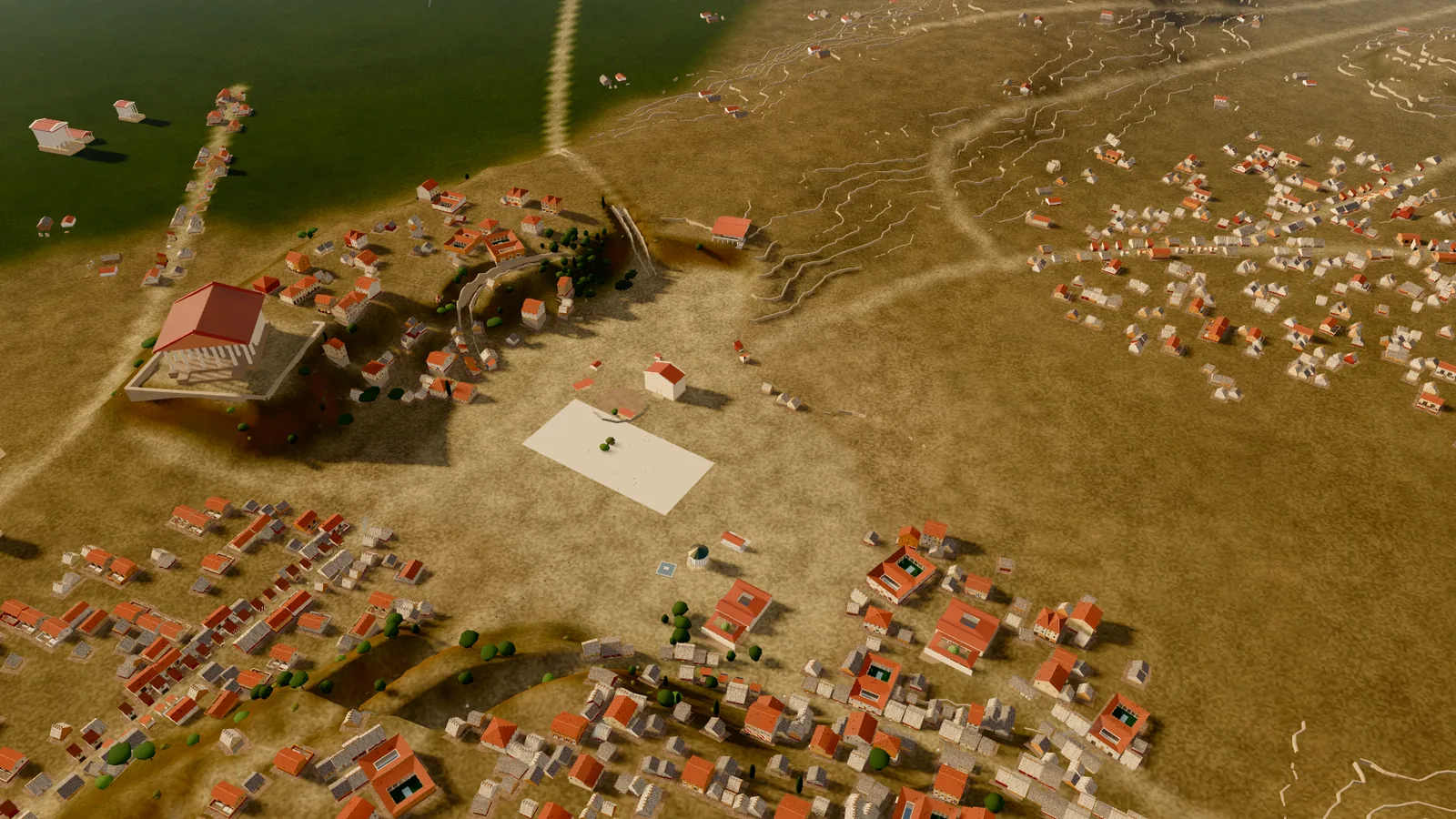
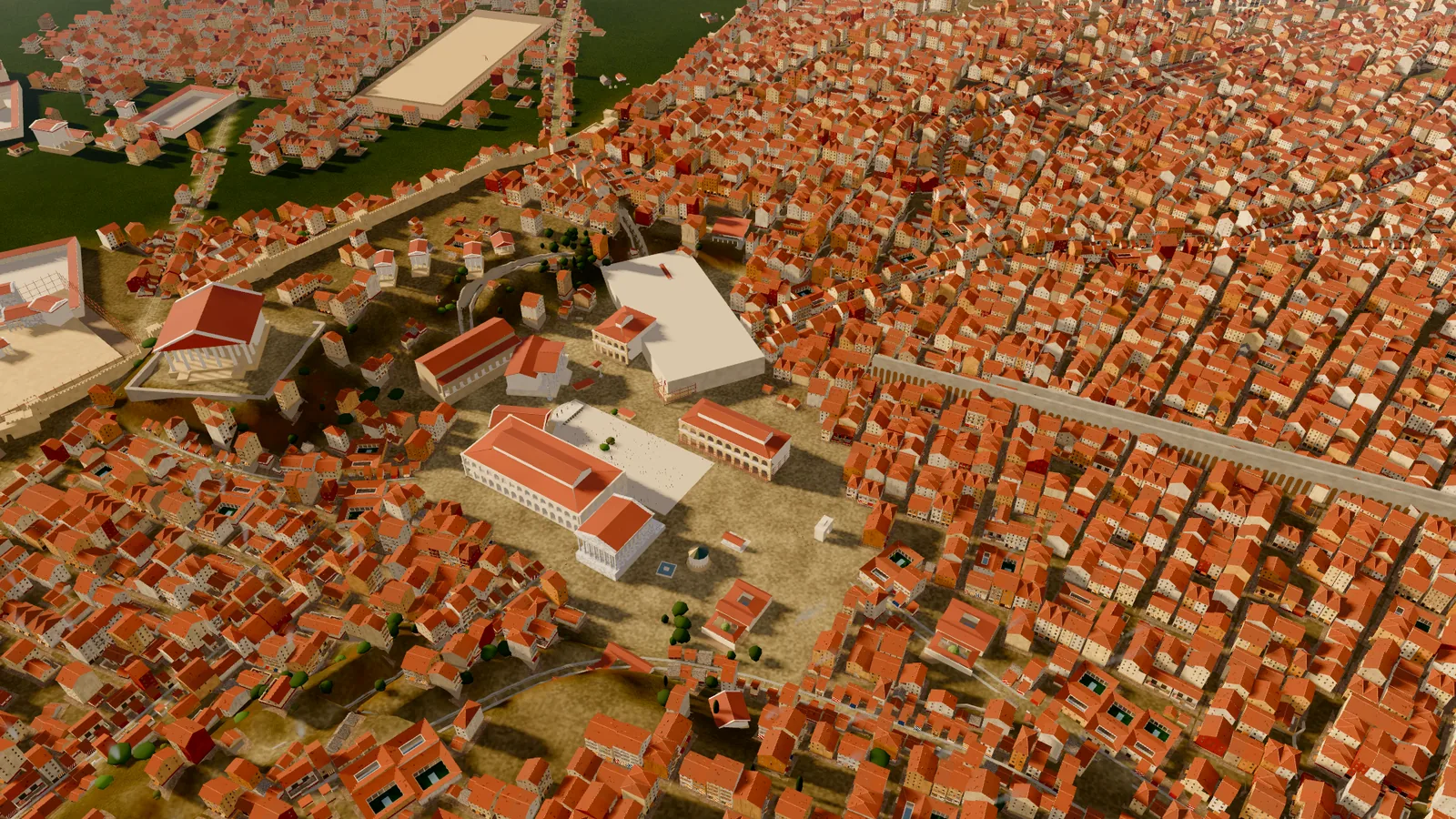
The same view of Rome at the start of the Republic and at its end: the city grows year by year, and every monument appears in the year it was built.
Every fact sourced
Each historical fact names where it comes from (Livy, Polybius, Platner and Ashby's topographical dictionary), and disputed facts are marked as disputed.
How it's built
A Python engine that decides everything and replays any game exactly, and a 3D client in Godot. About 82,000 lines of code and 230 recorded design decisions so far.
-
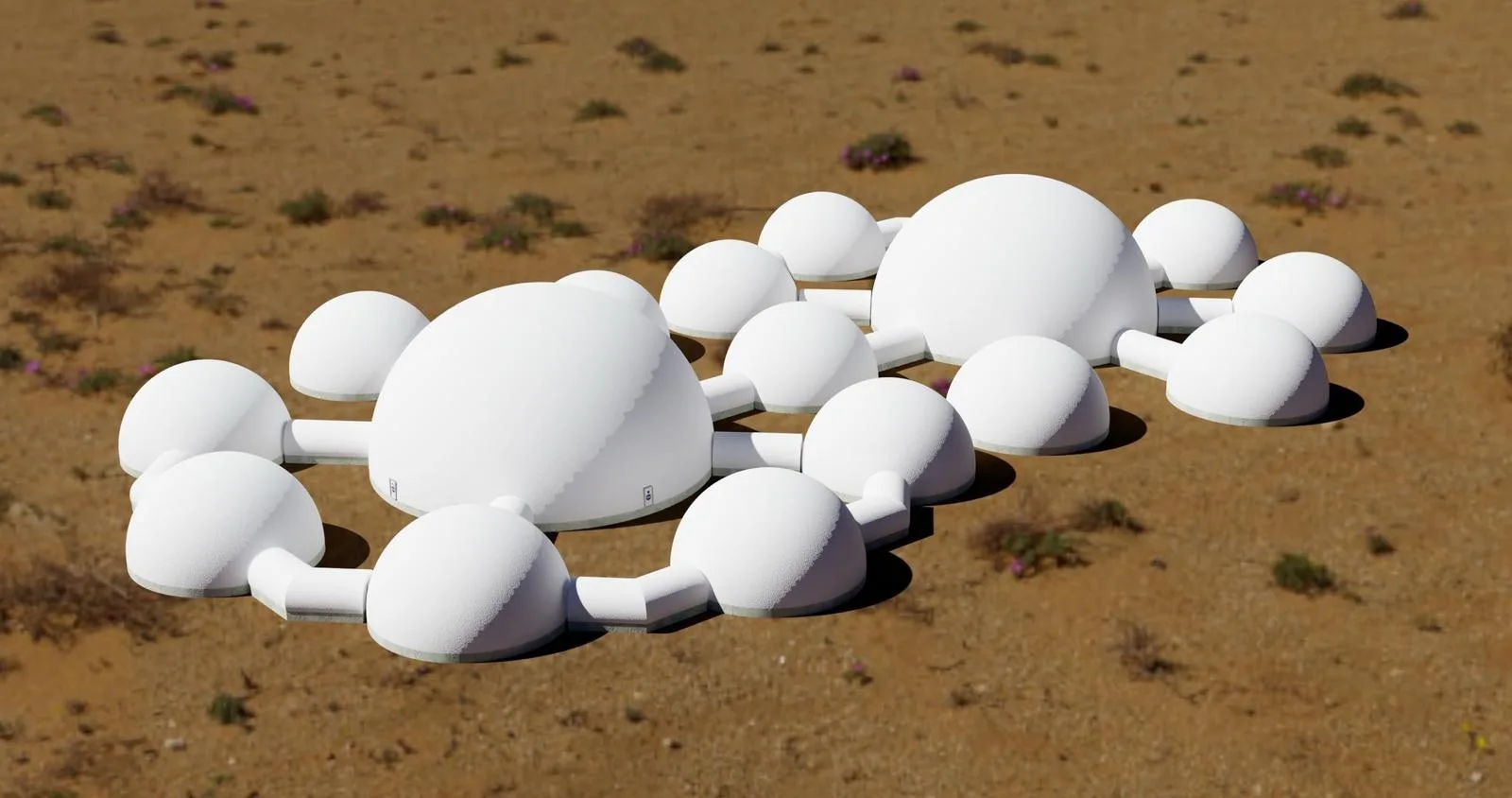 2025
Space Competition 2025
Designing a space base, from a hand sketch to a 3D model
Placeholder.
The sketch
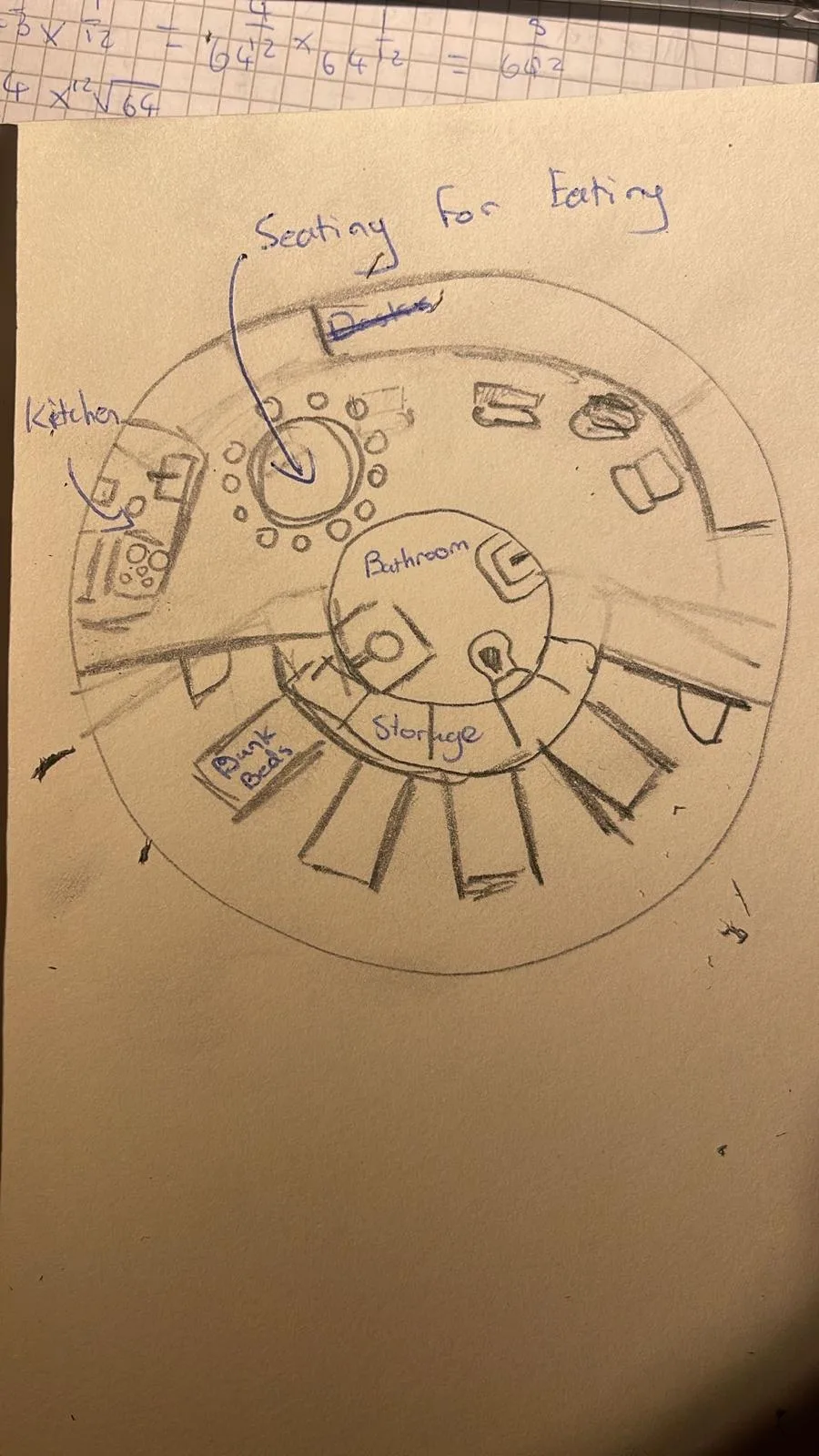
Placeholder.
The 3D model
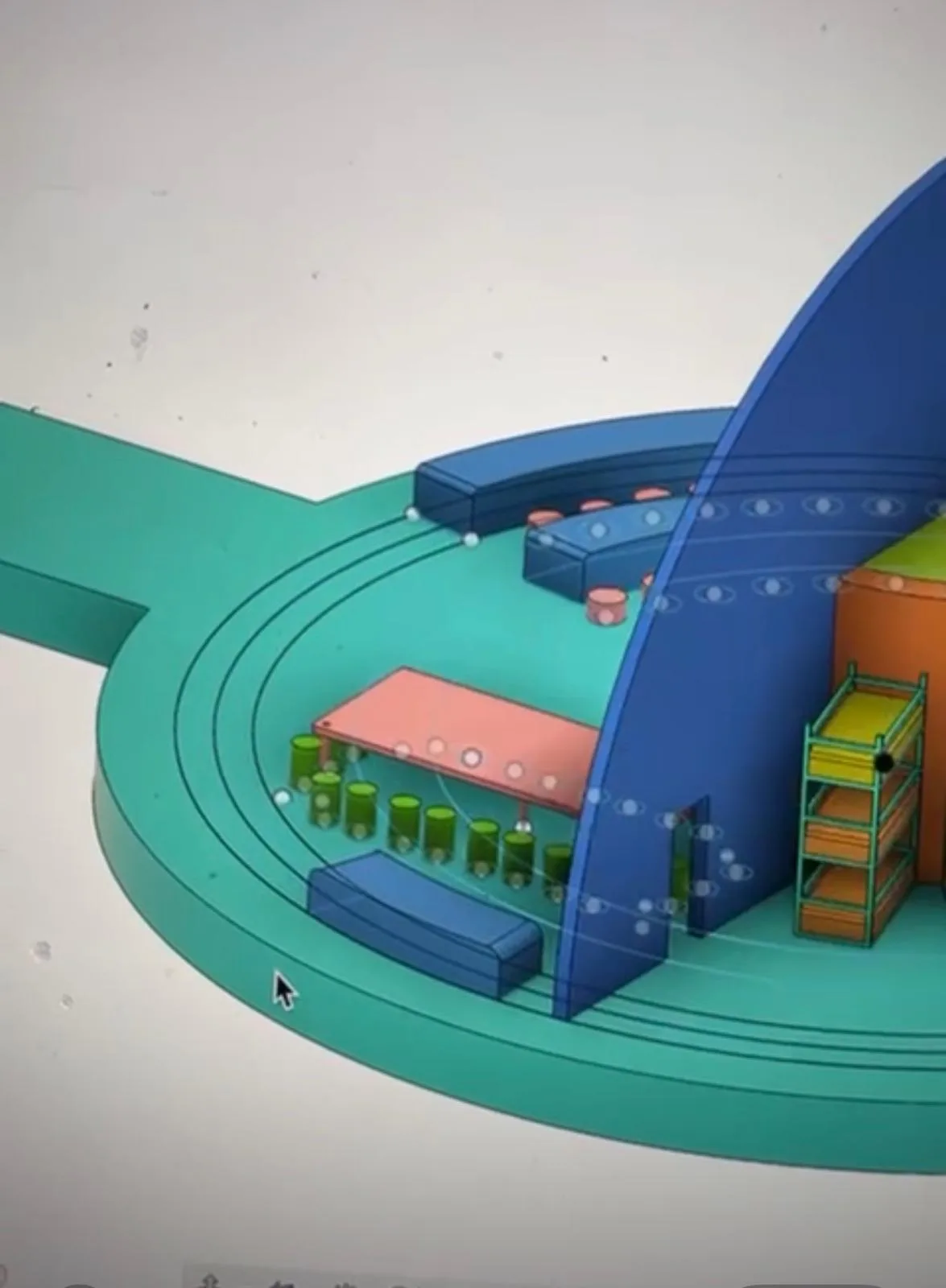
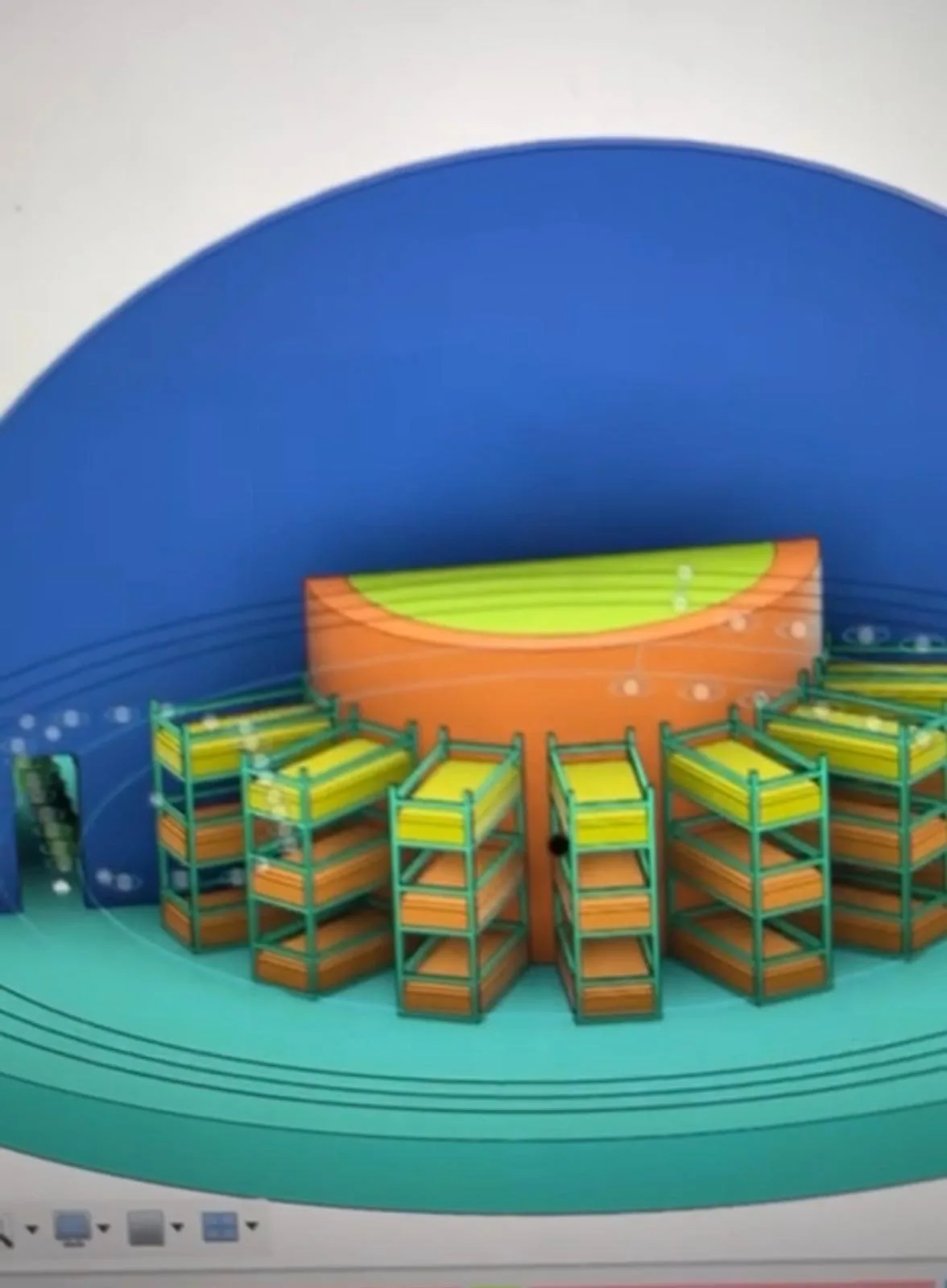
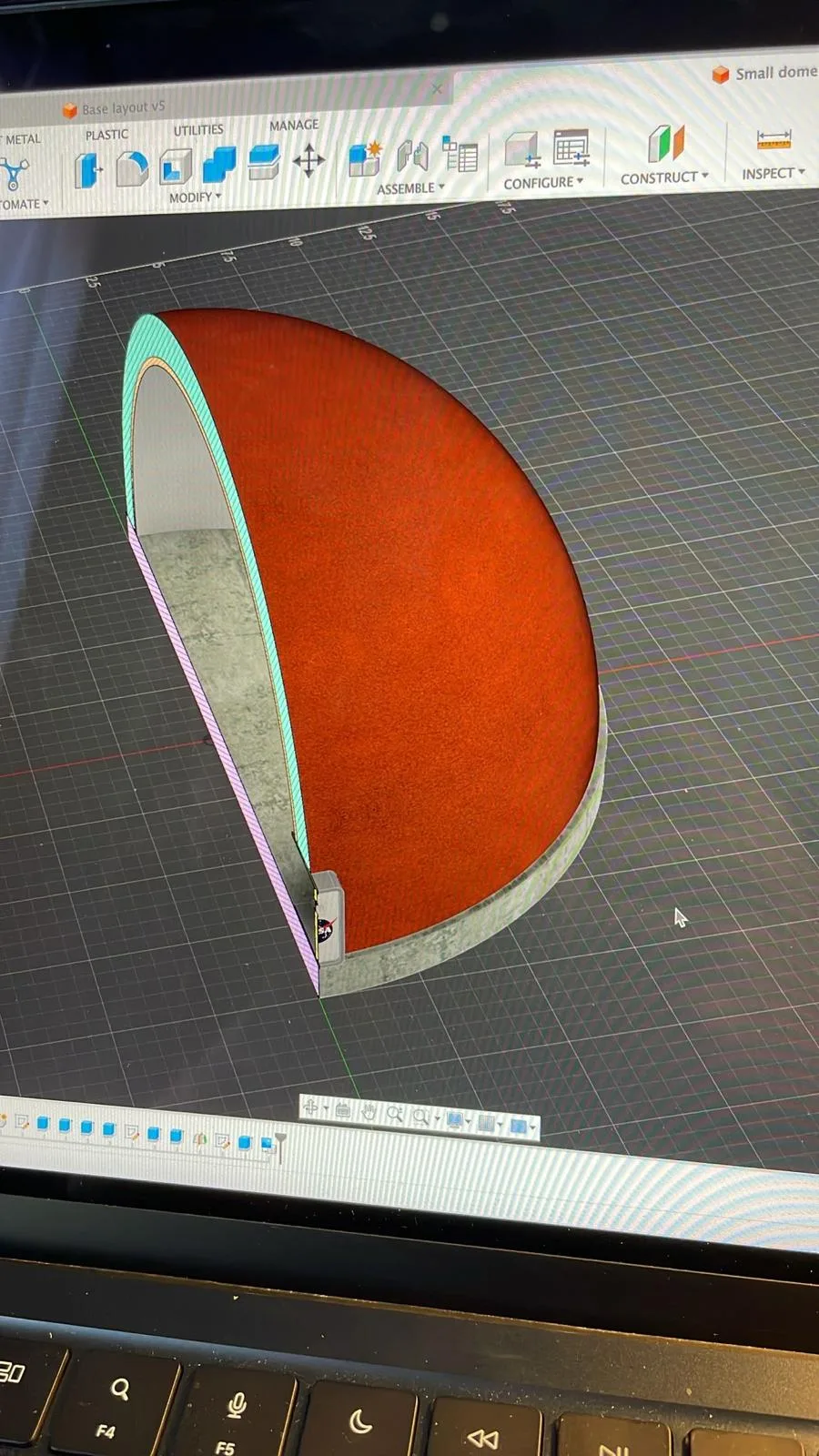
Placeholder.
The base
Placeholder.
-
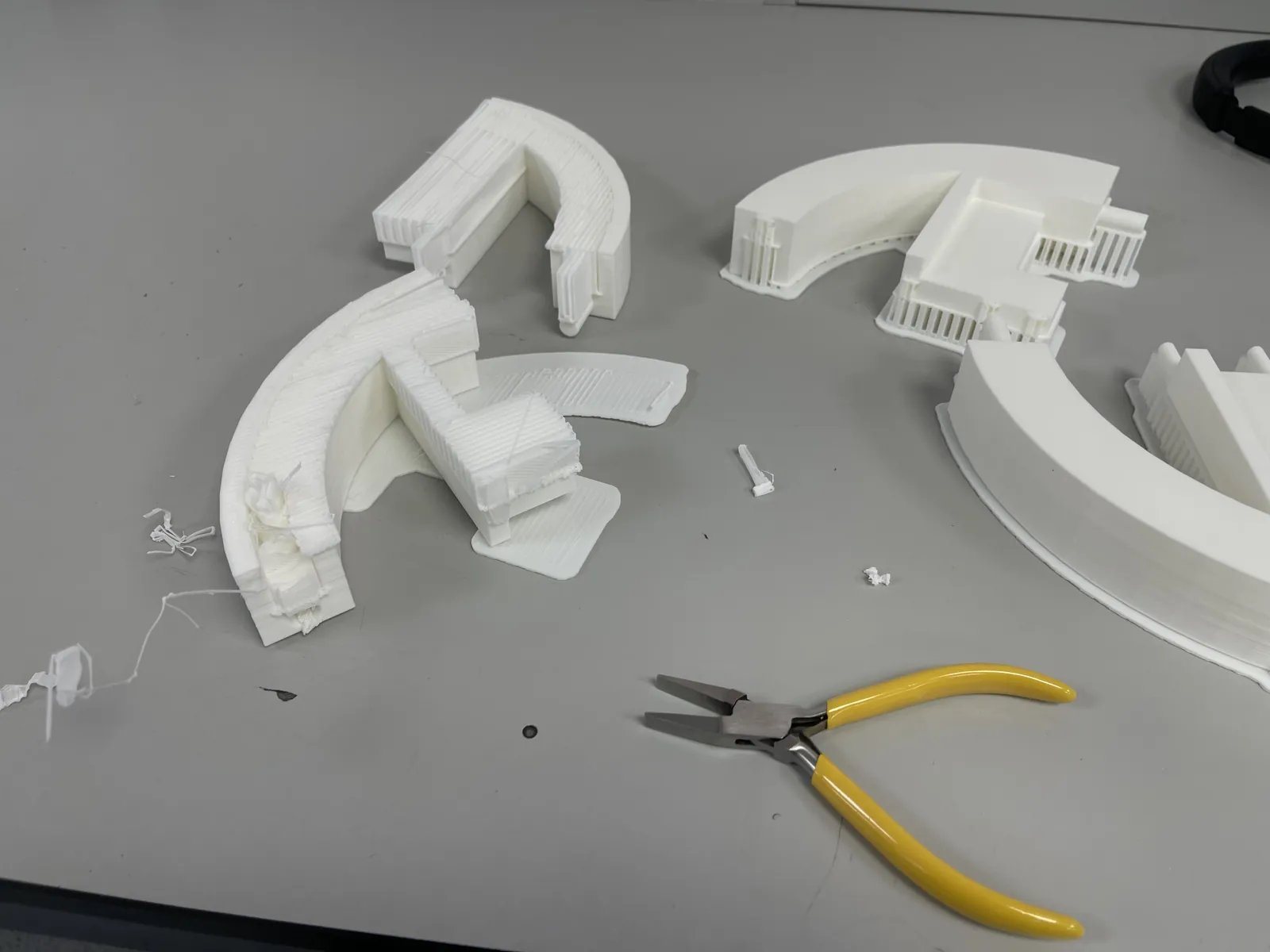 Placeholder
Recording Arm
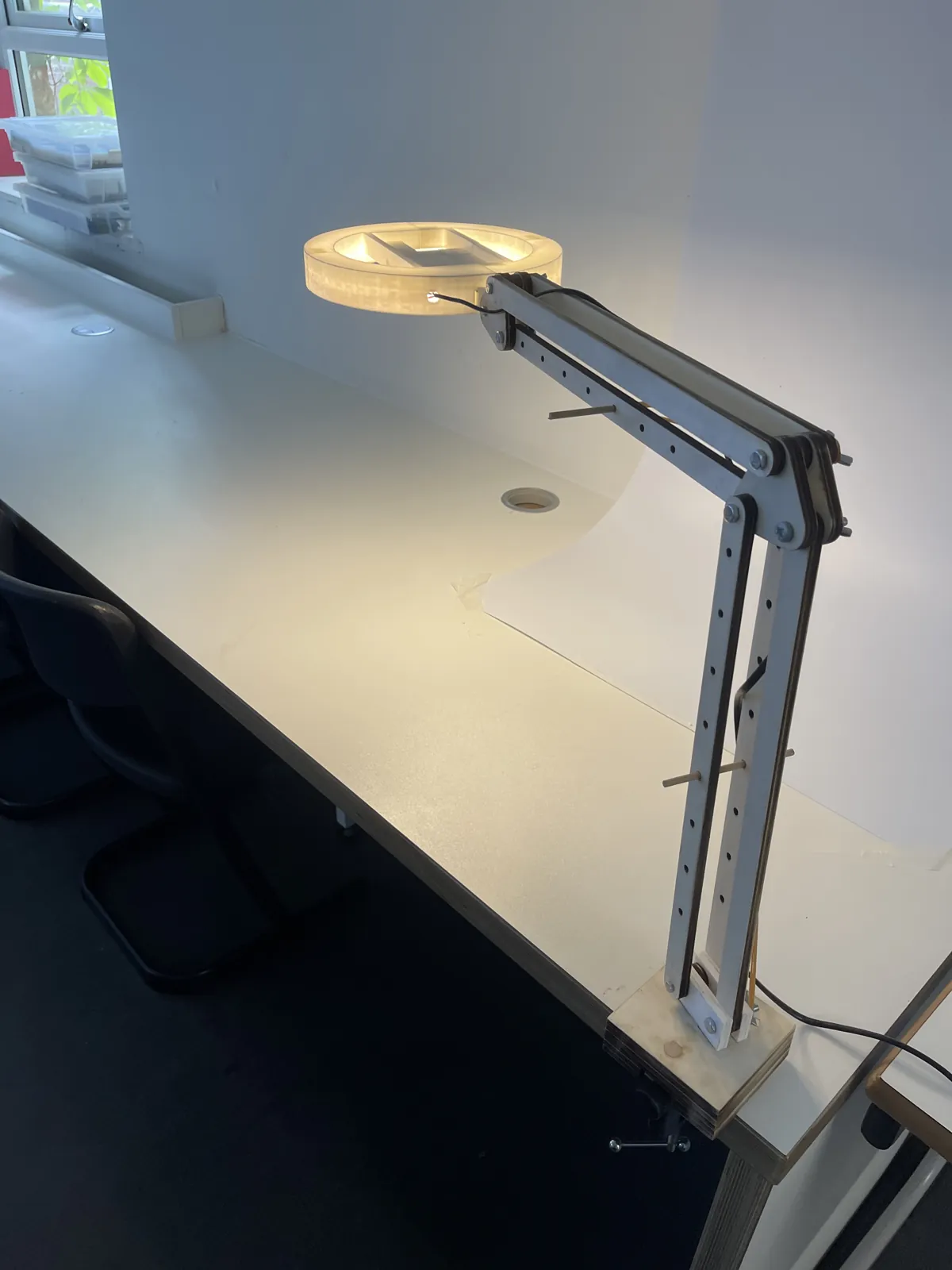
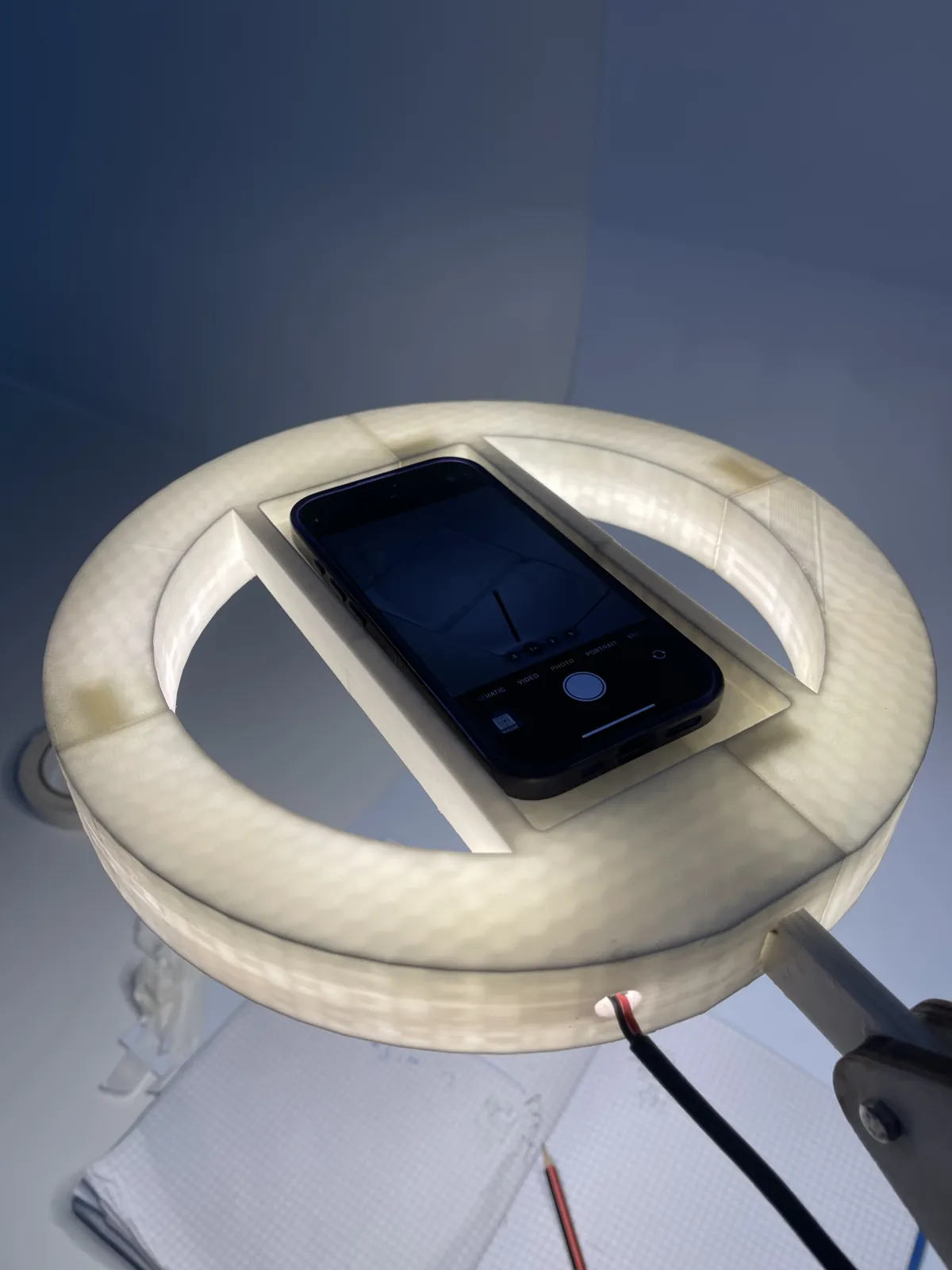
Designed and built over six months to light and timelapse my art
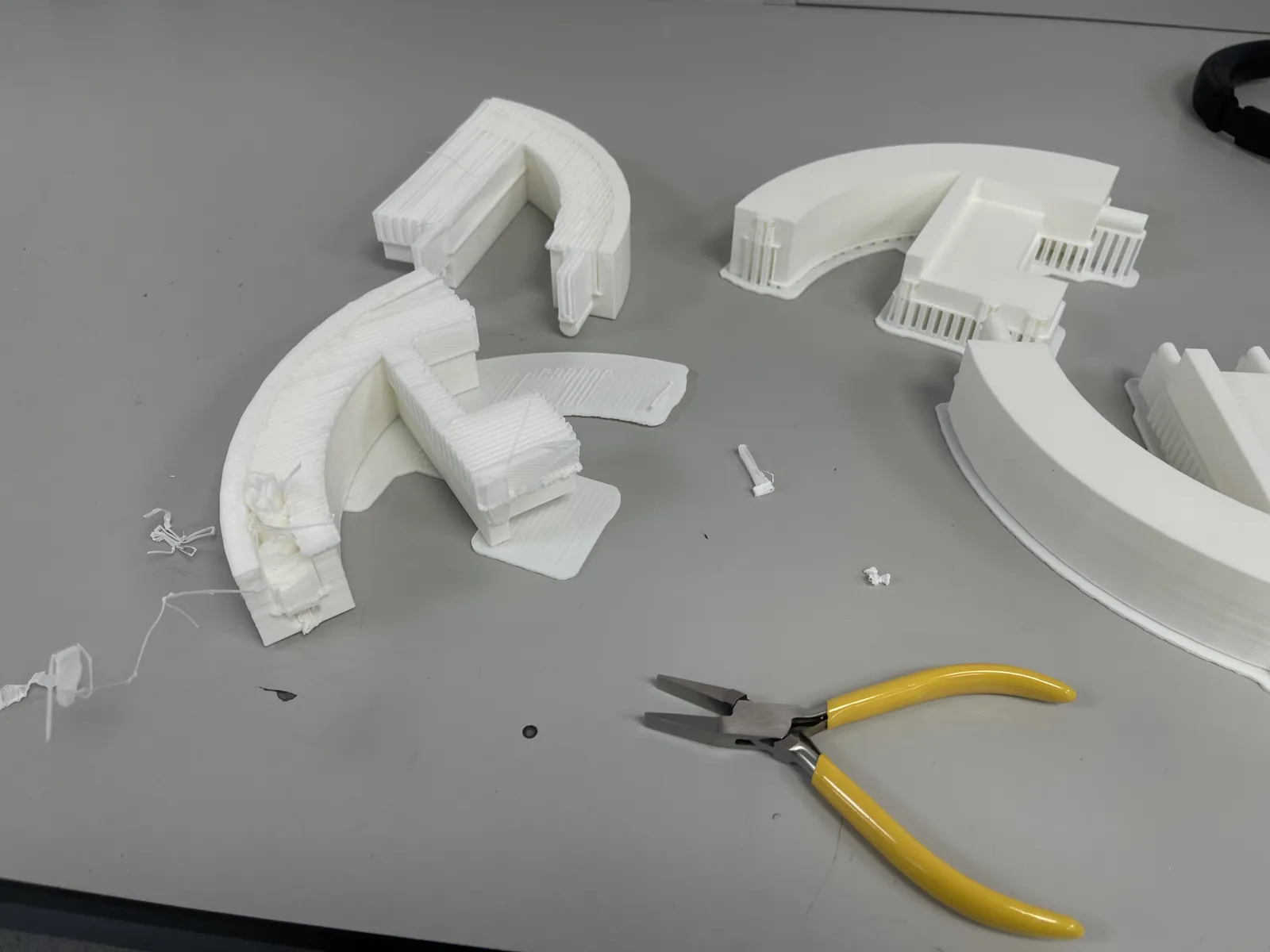
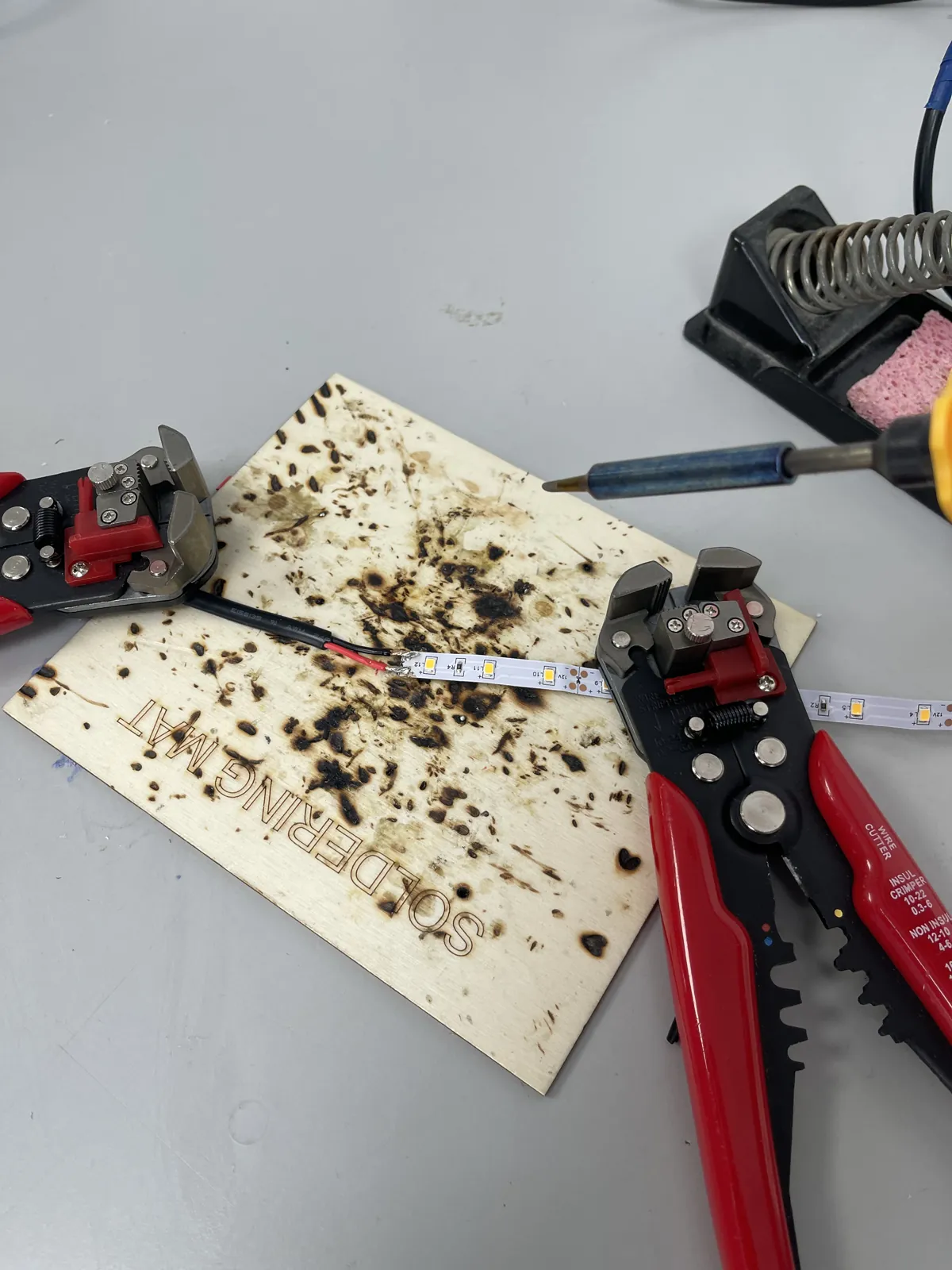
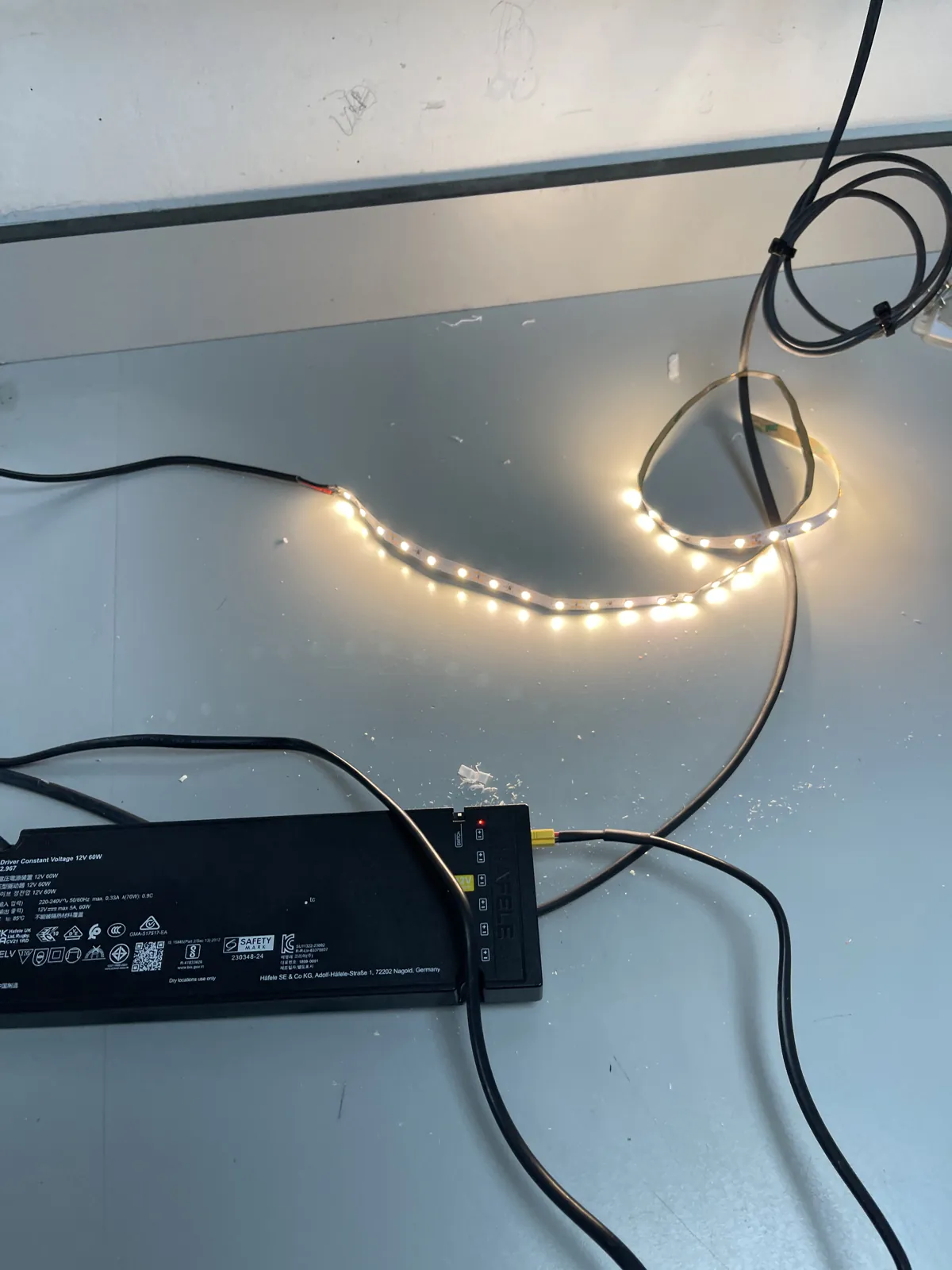
I wanted something to light and timelapse my art as I did it. So I designed and built a solution over the course of 6 months.
The build
-
 Placeholder
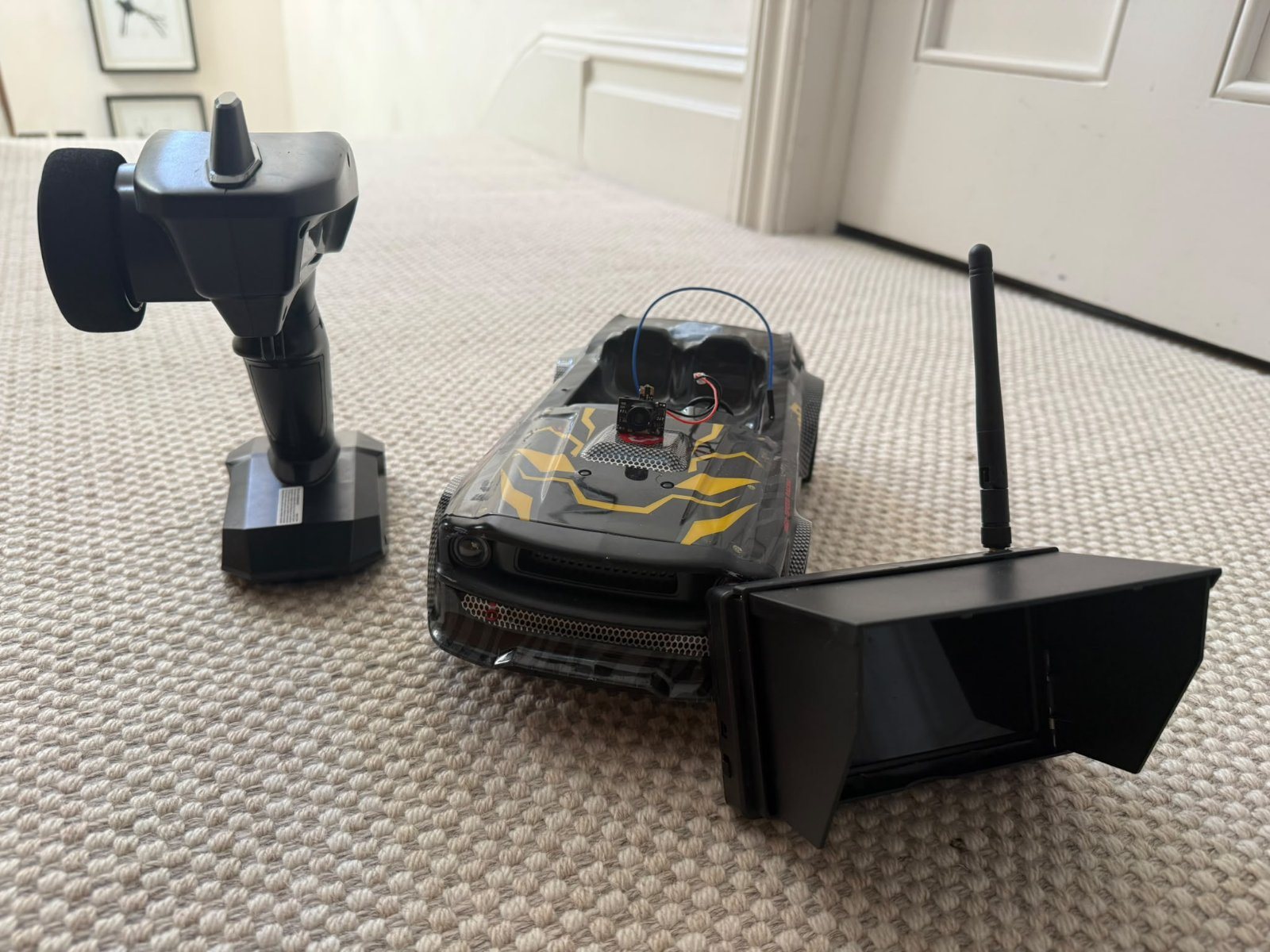
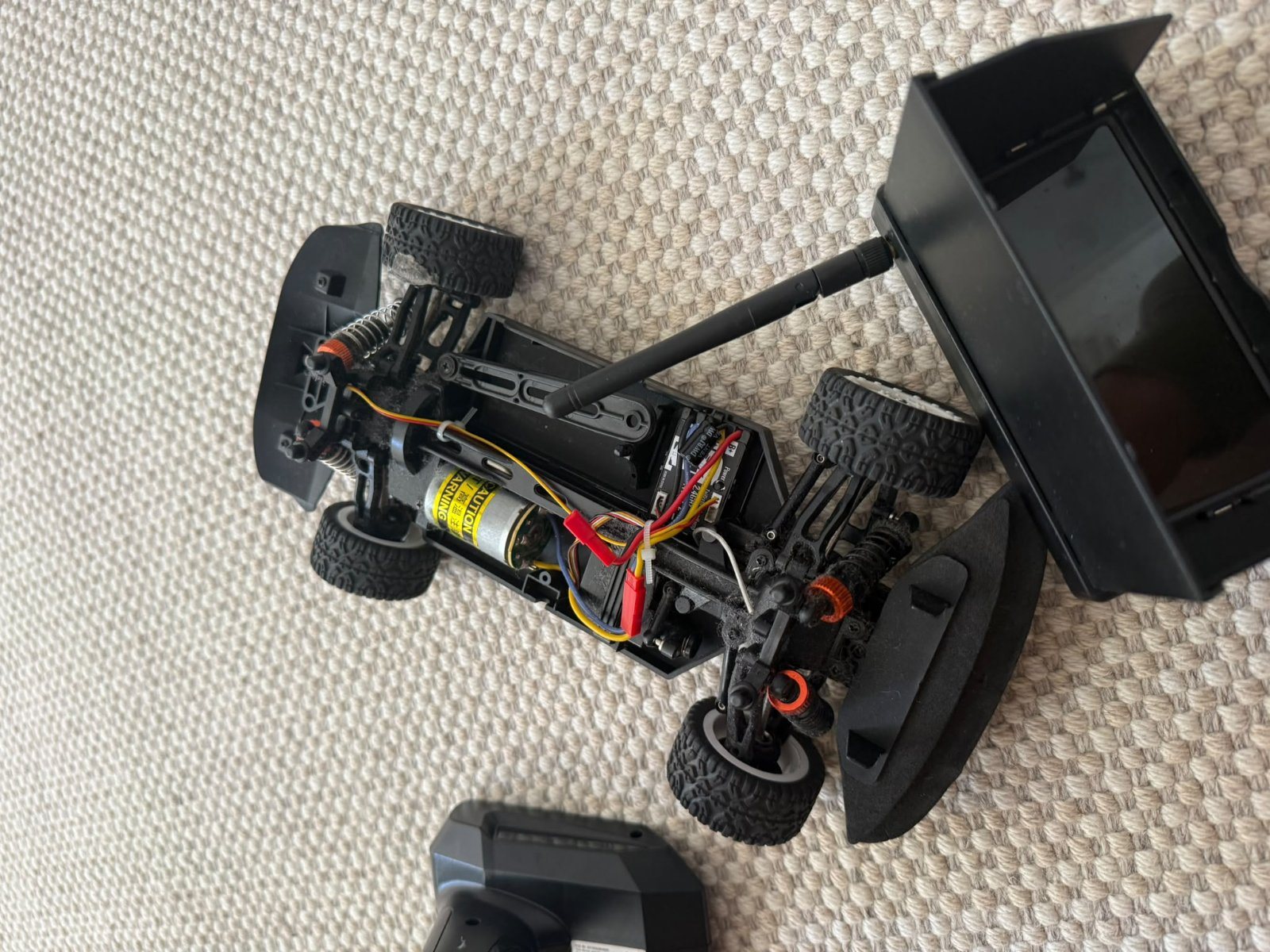
Remote Control Cars
FPV cameras and an IR lap timer
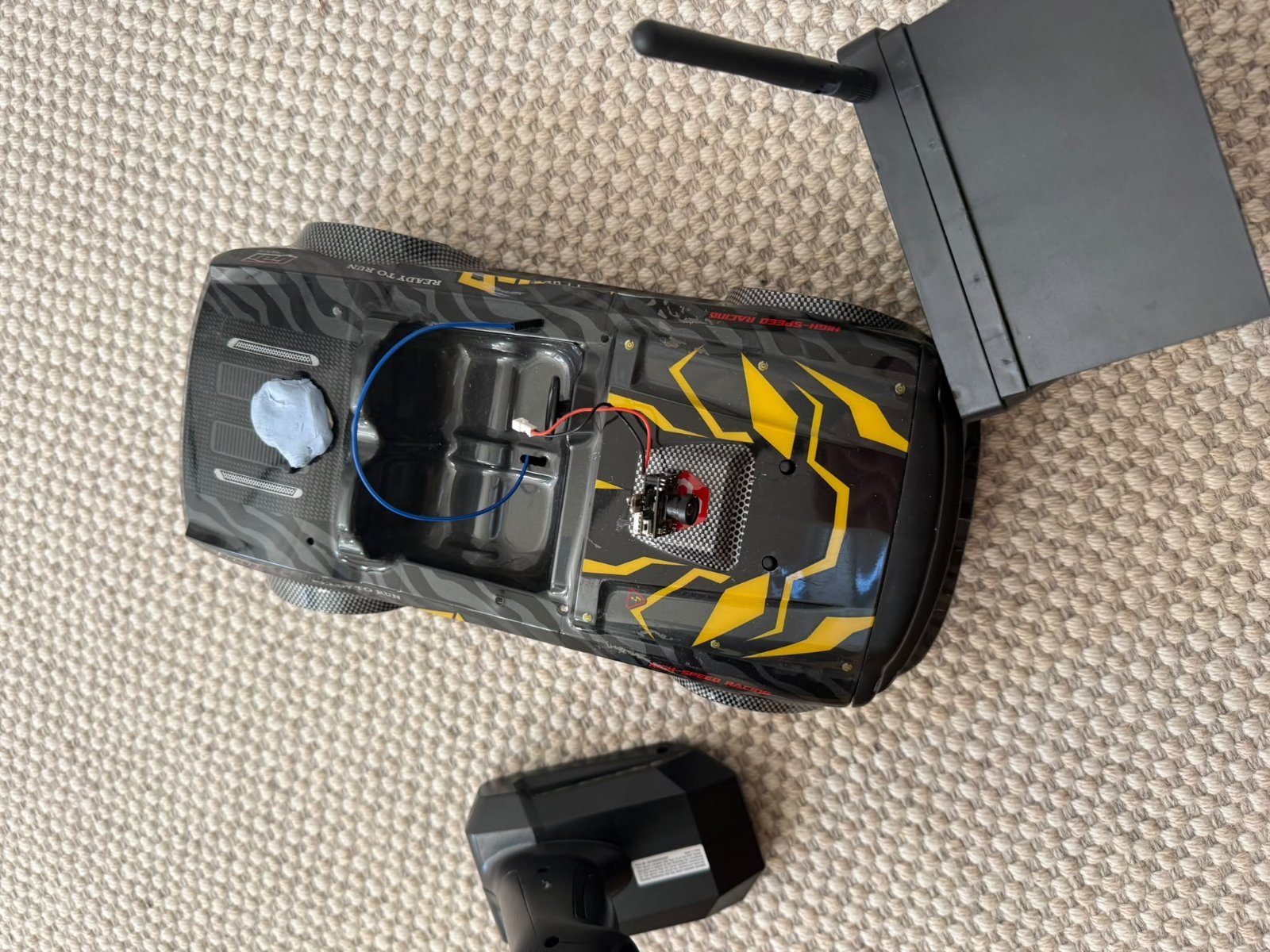
Installing FPV capabilities and an IR system to measure lap times.
On video
-
 Placeholder
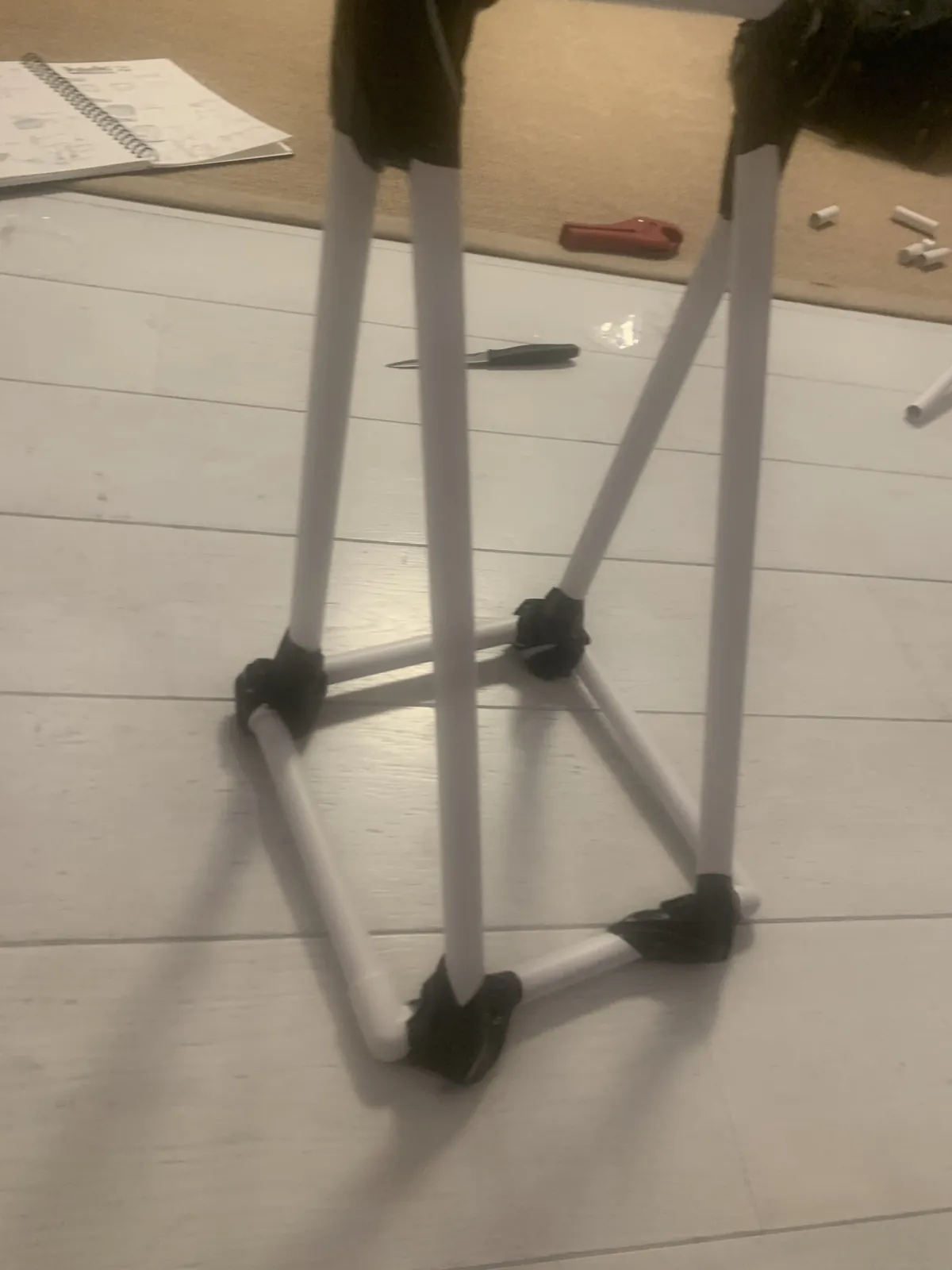
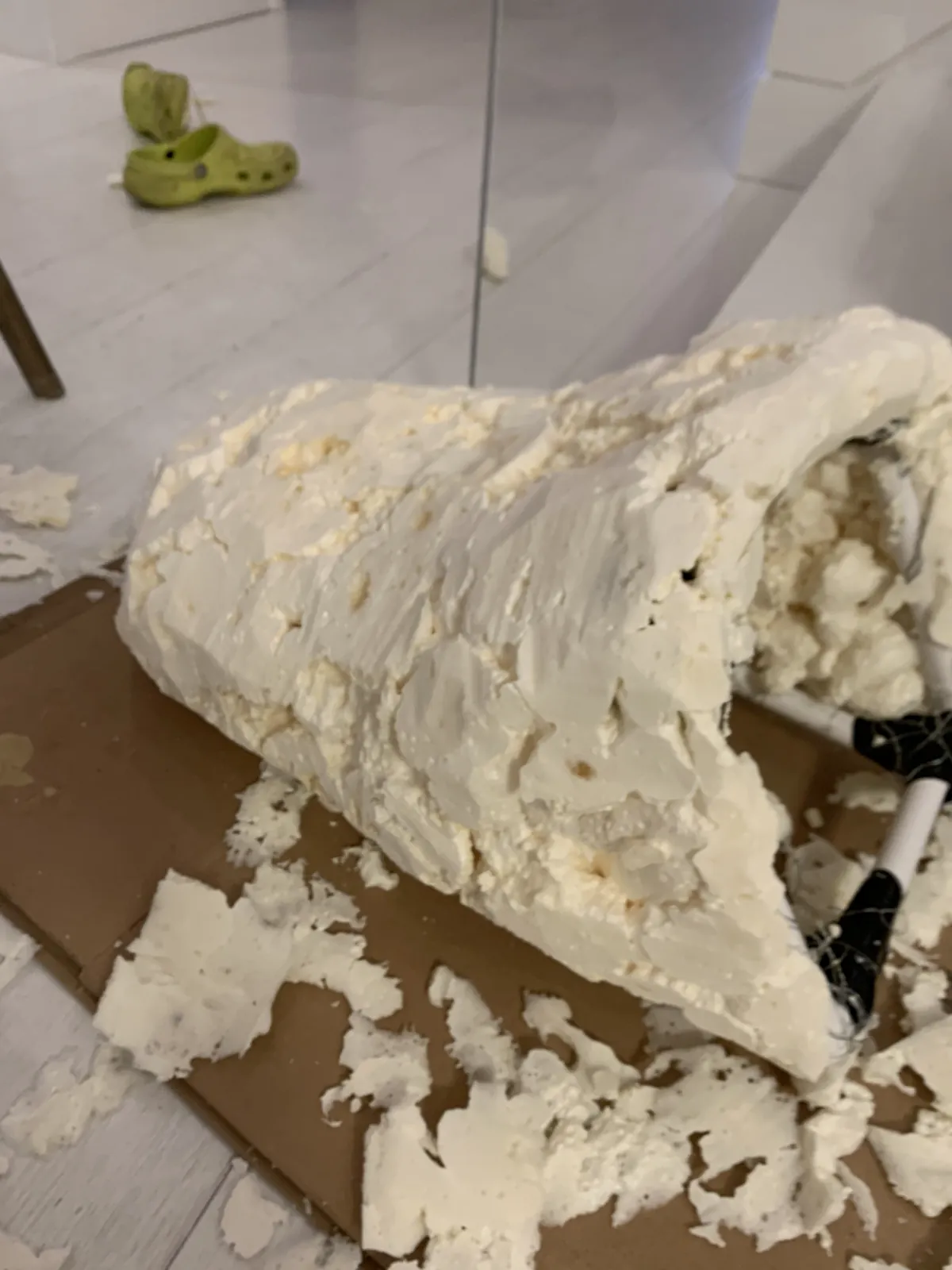
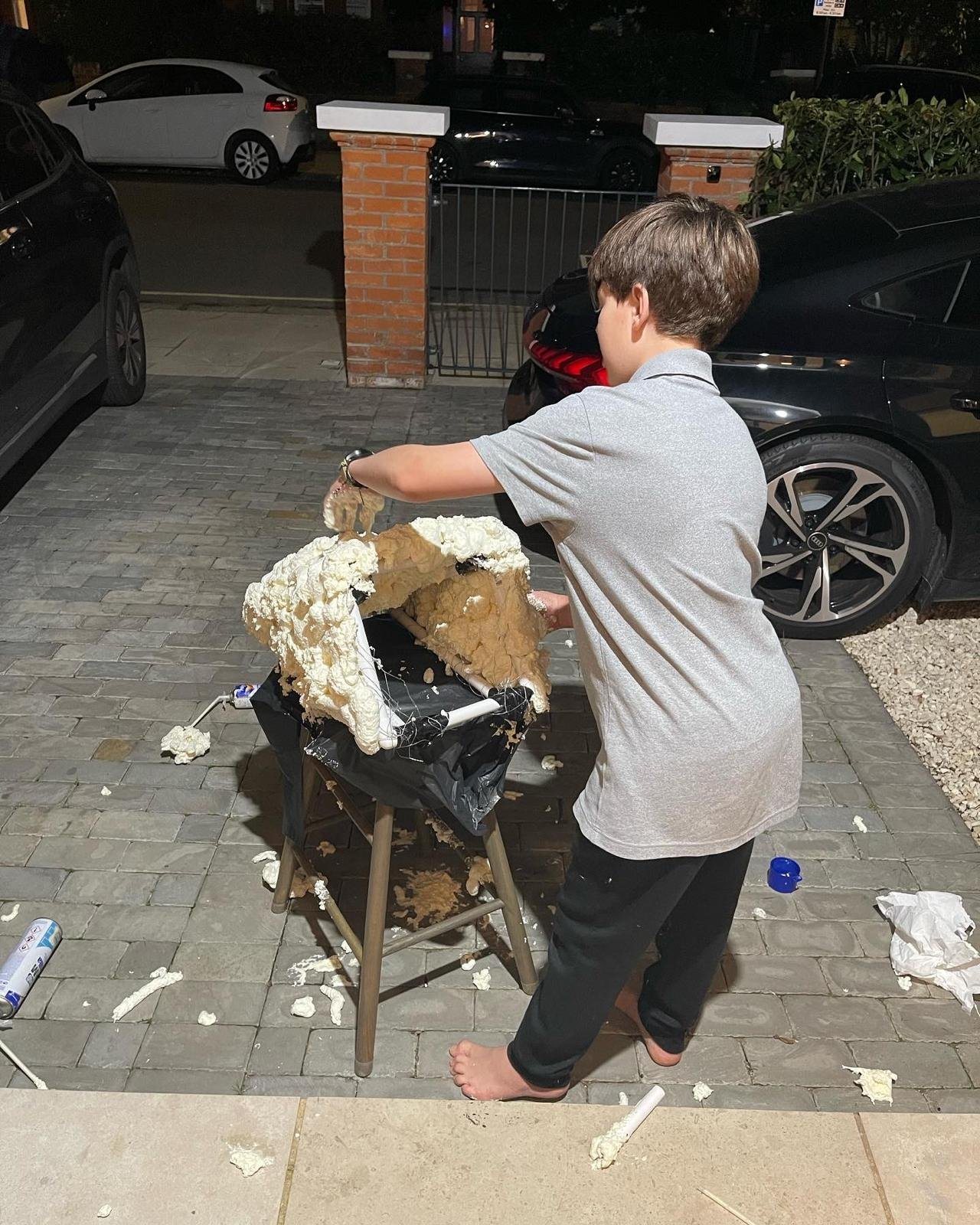
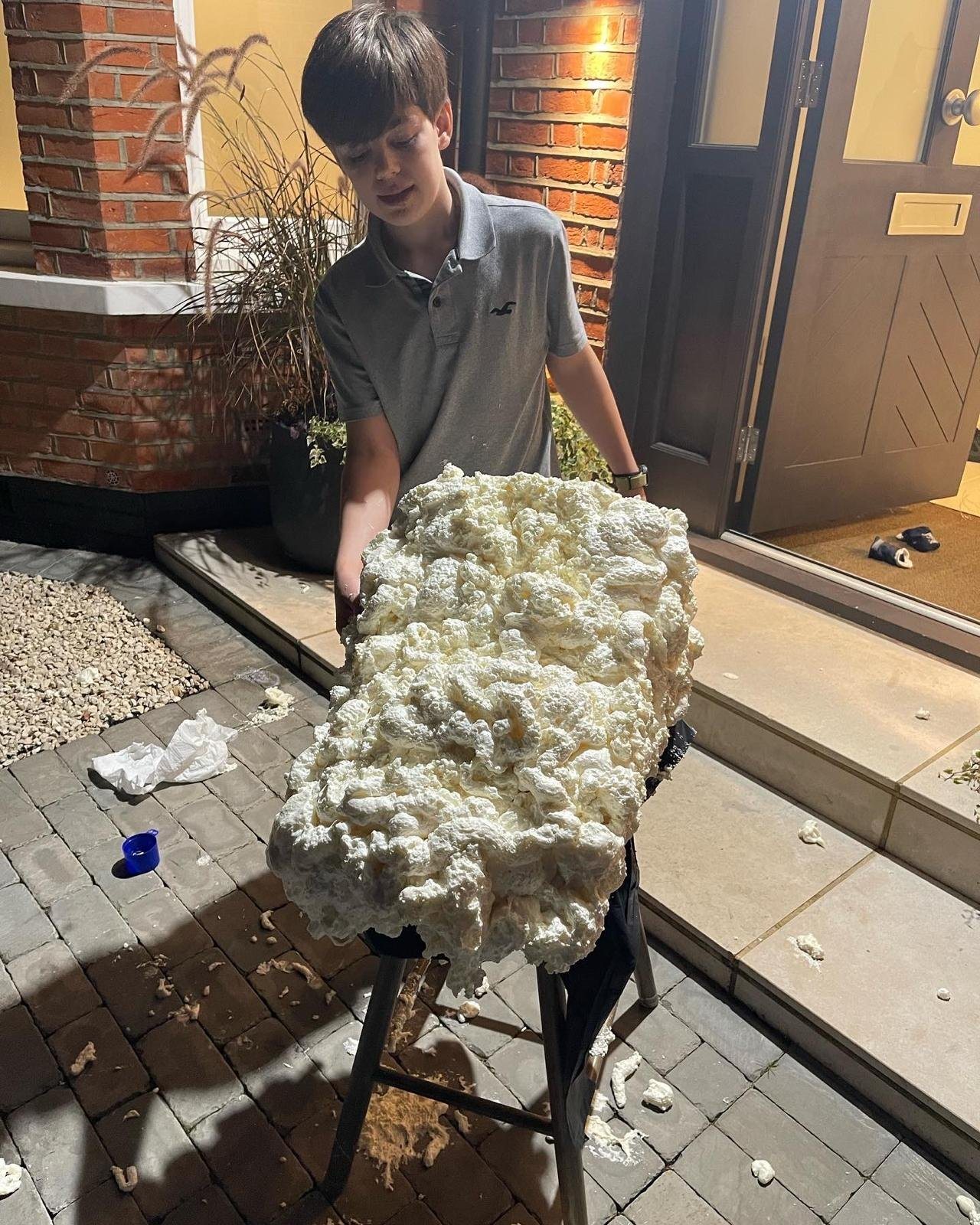
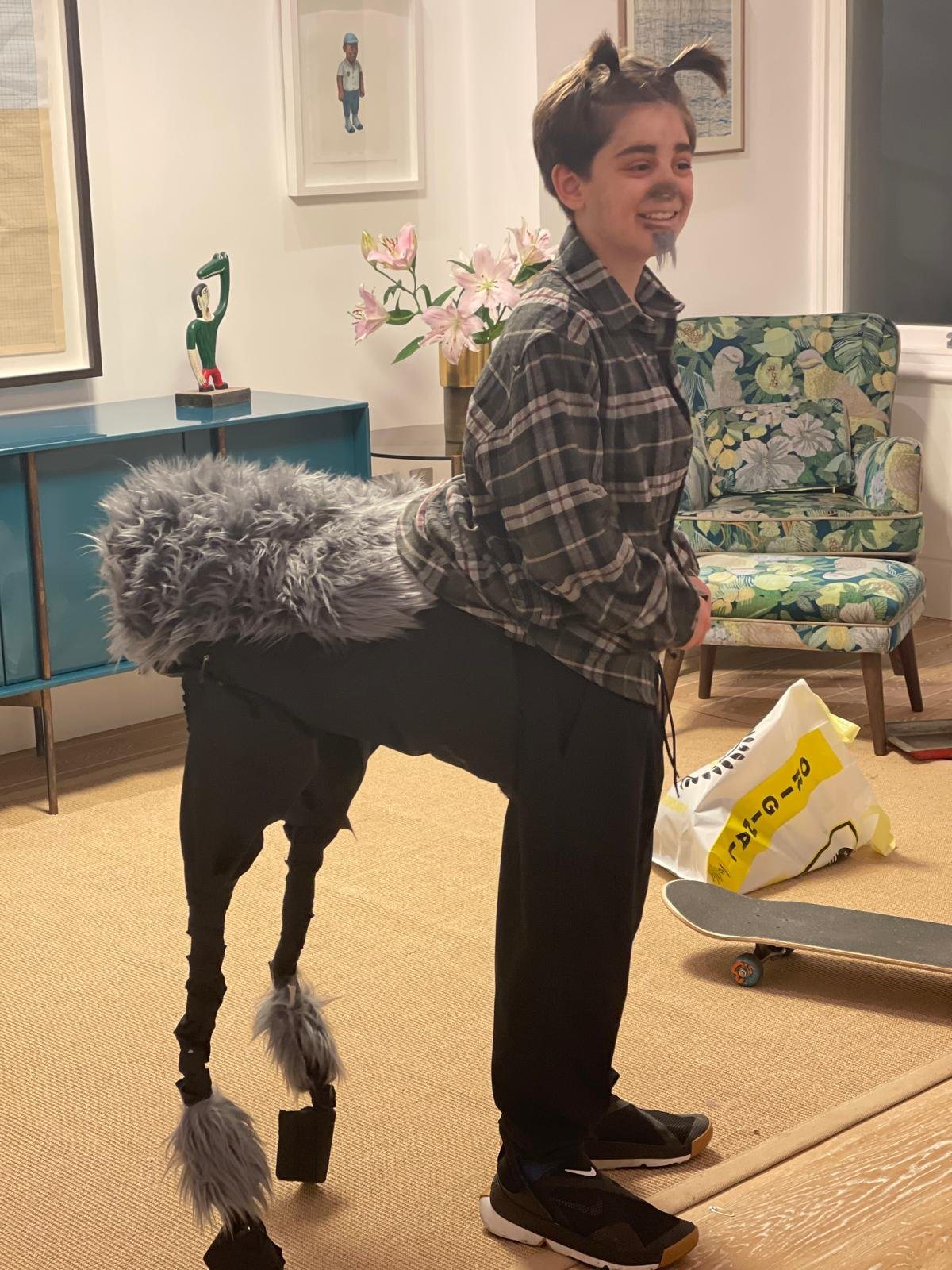
Working Centaur Costume
A Halloween costume with moving back legs
A Halloween costume with moving back legs.
The build
-
 Placeholder
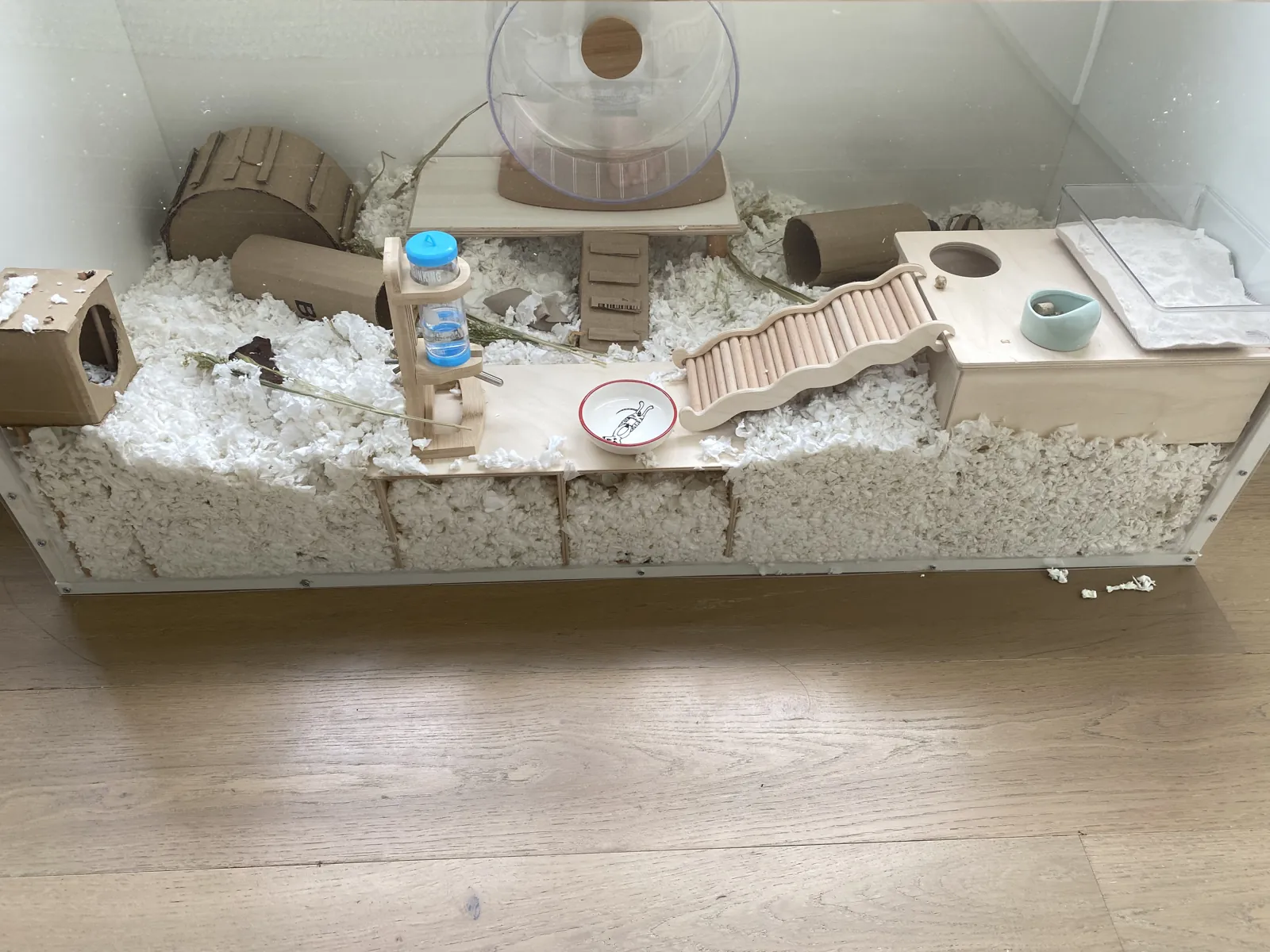
Hamster Cage
A proper enclosure, built instead of bought
When I got a hamster, I had two choices. A cheap, tiny cage that would be cruel to the hamster. Or spend hundreds of pounds on an expensive, beautiful enclosure. I didn't like these options, so I built one myself.
More builds 3
-
 Placeholder
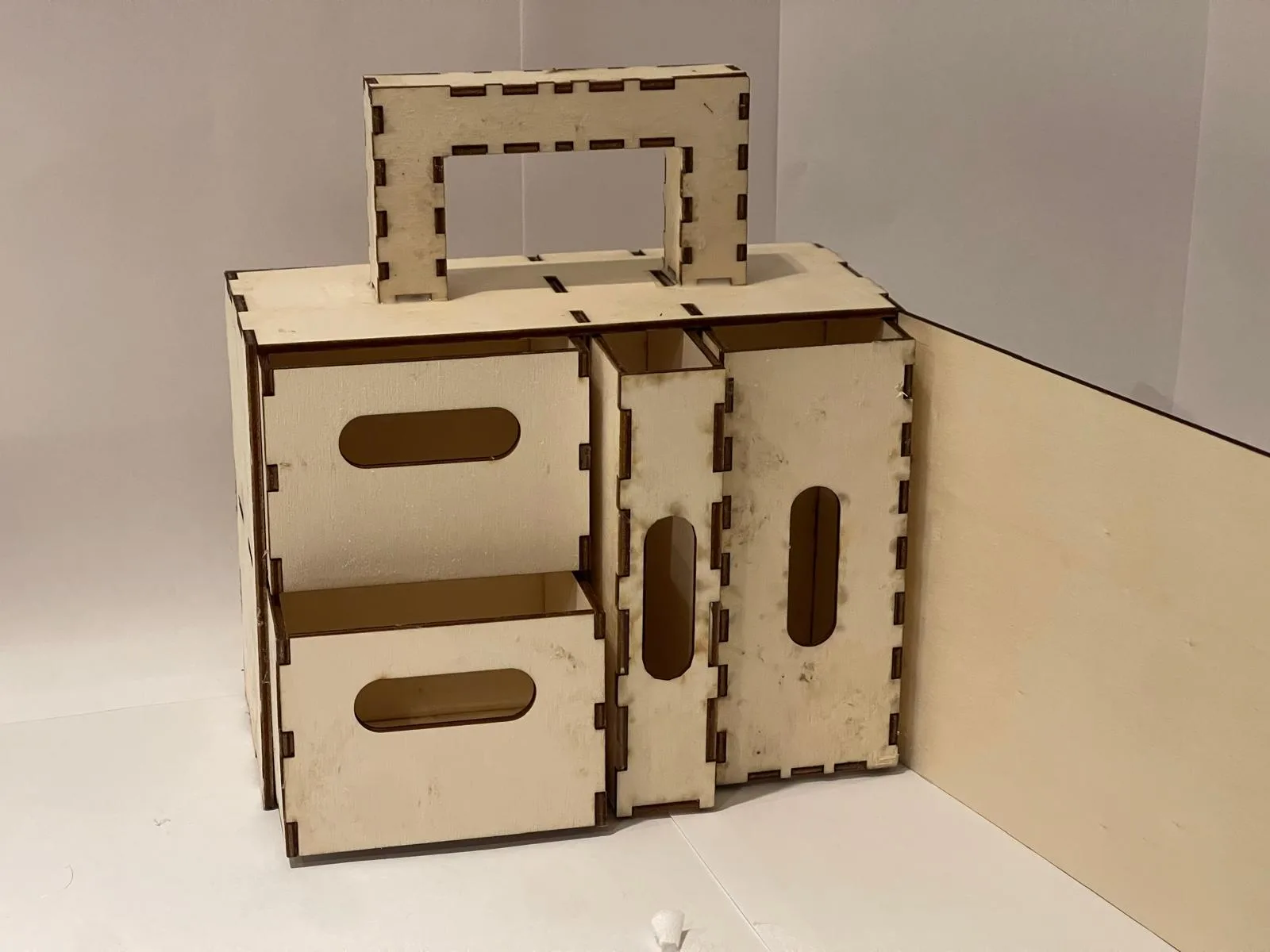
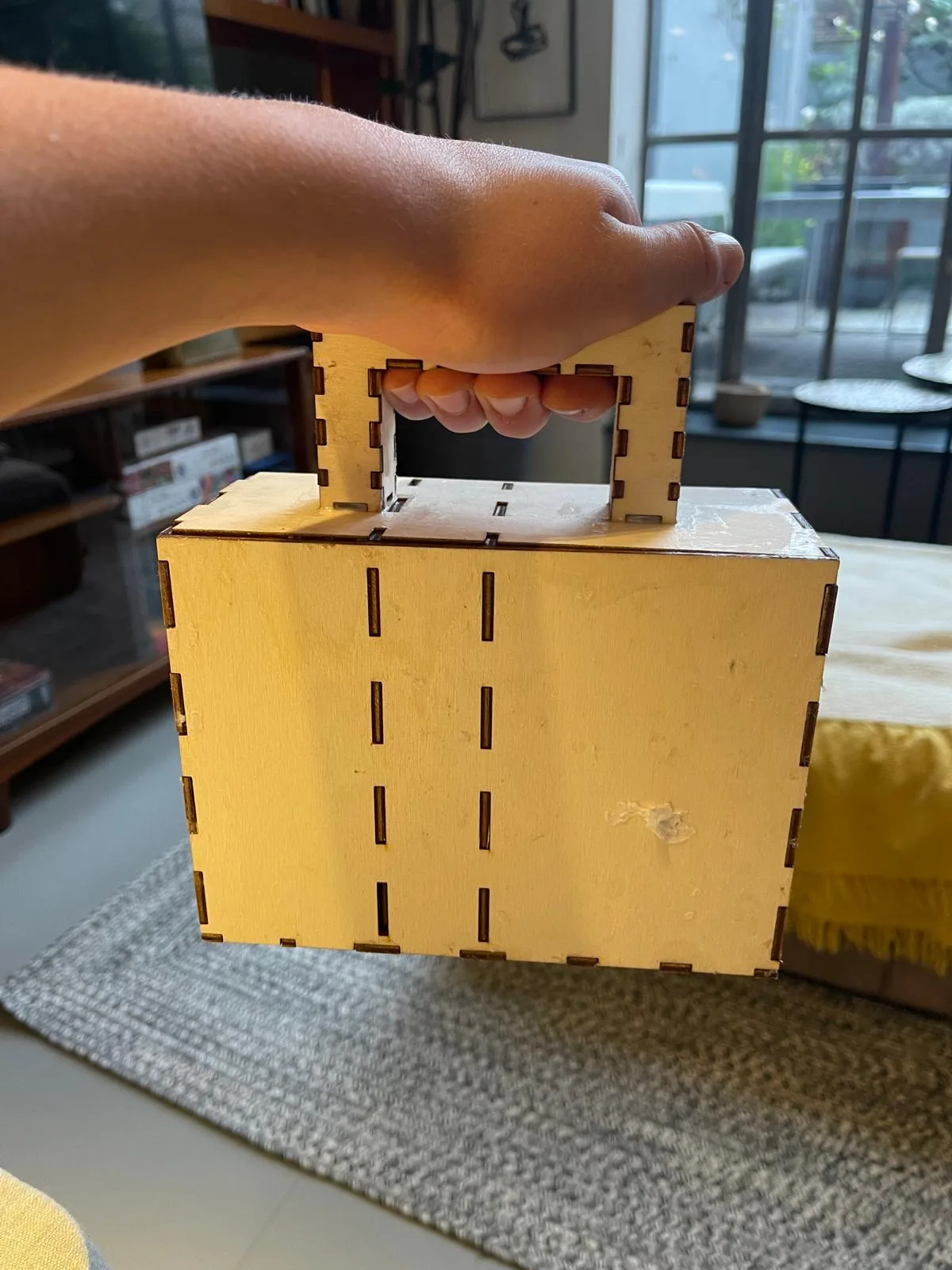
Stationery Case
A wooden case with pull-out drawers and a handle
Placeholder.
The build
-
 Placeholder
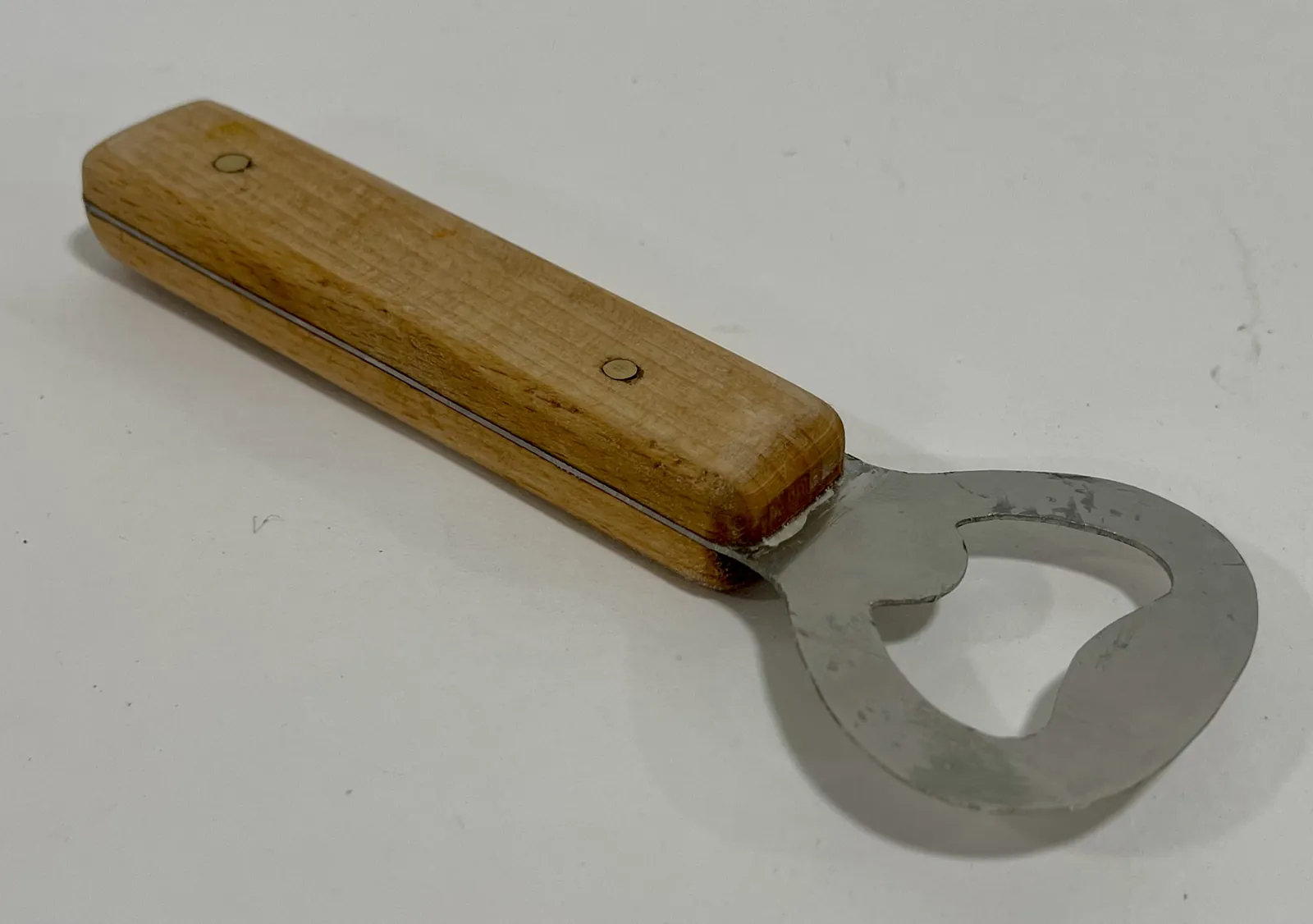
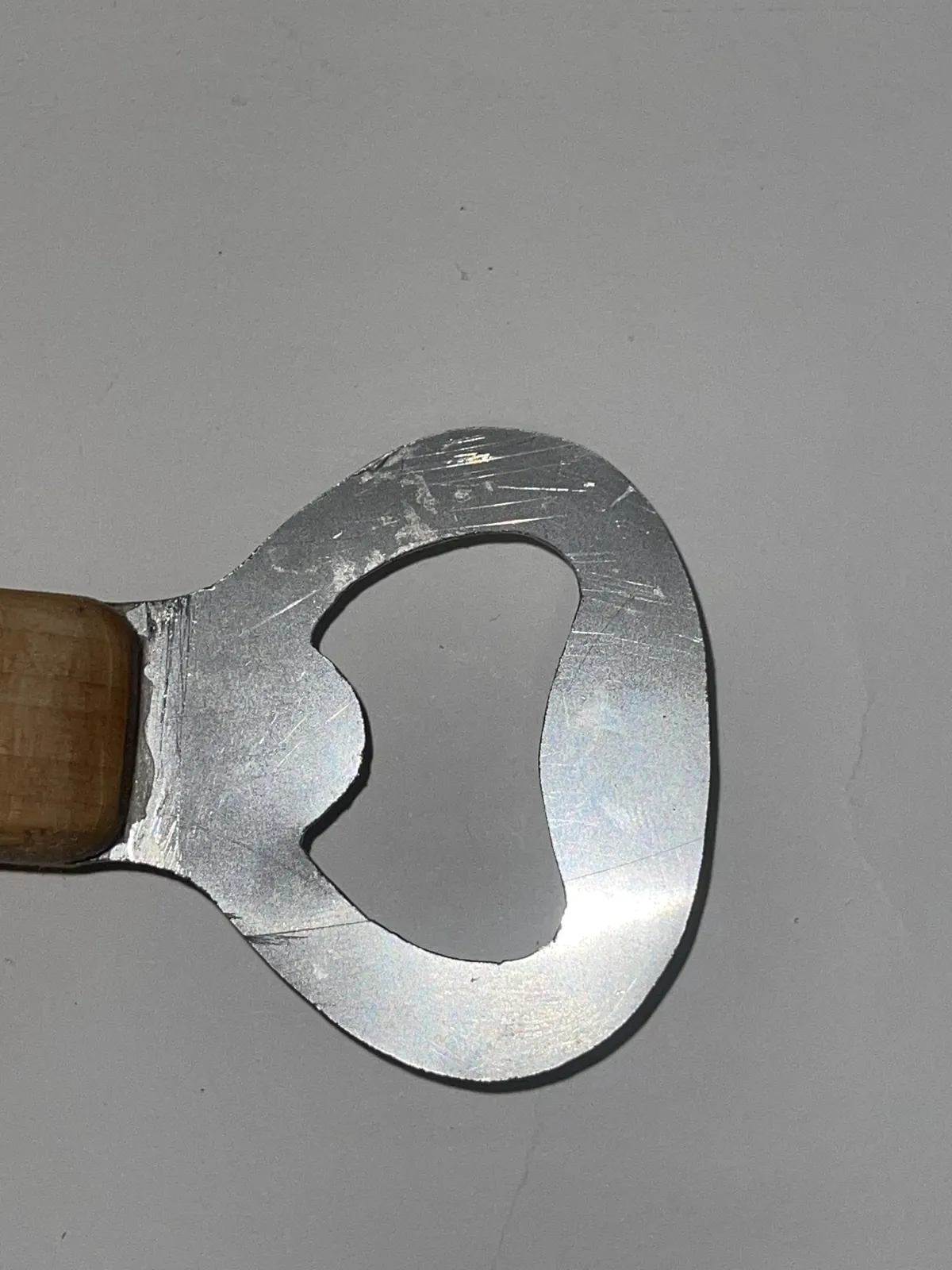
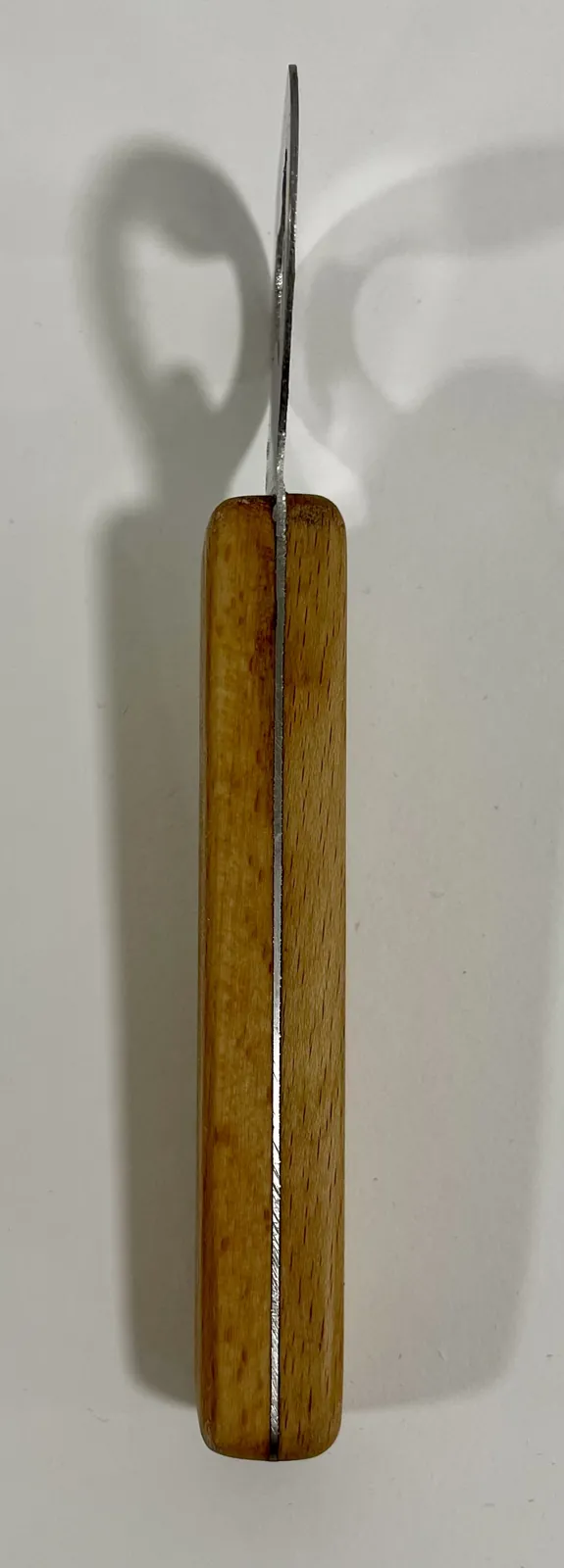
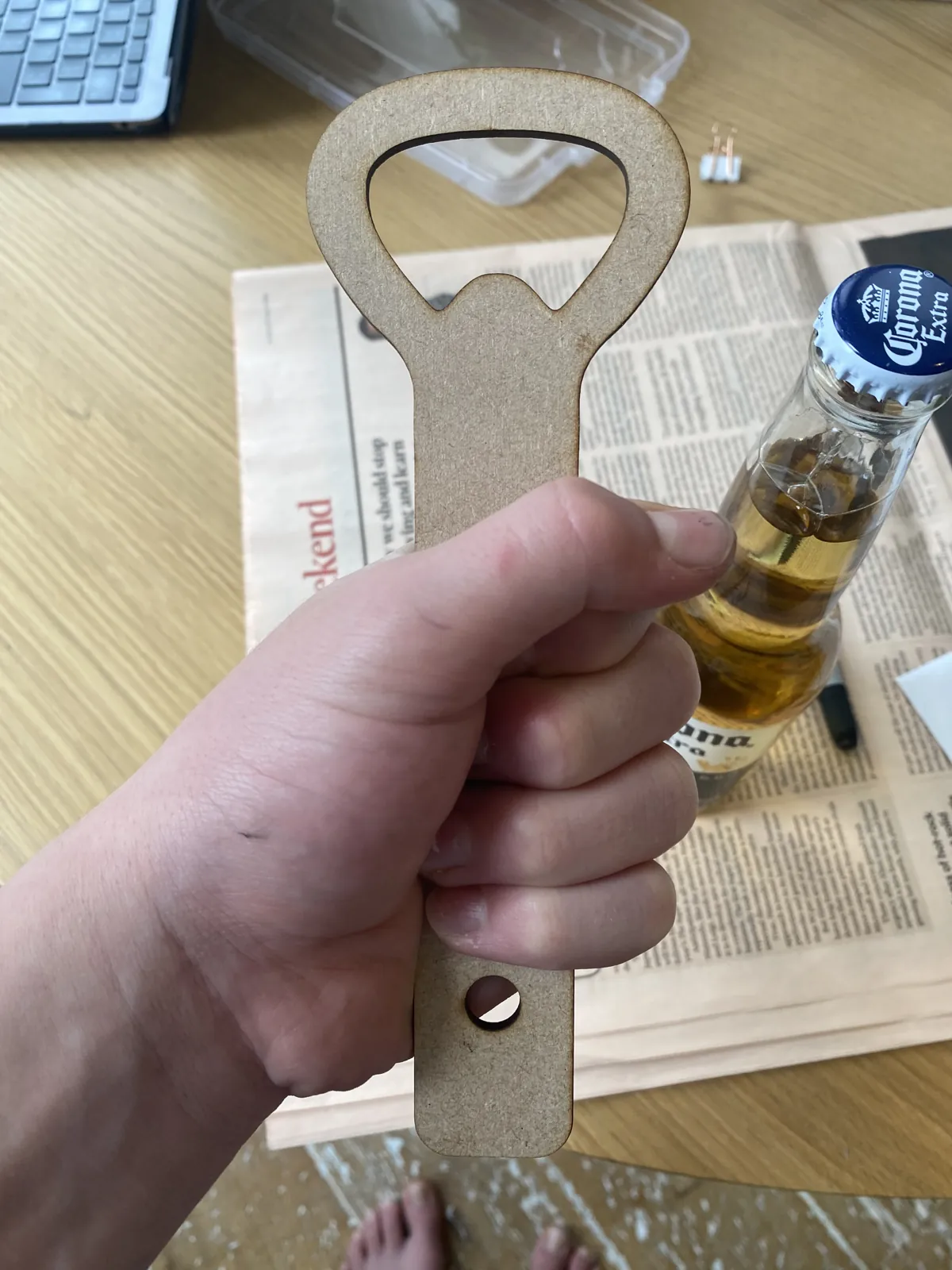
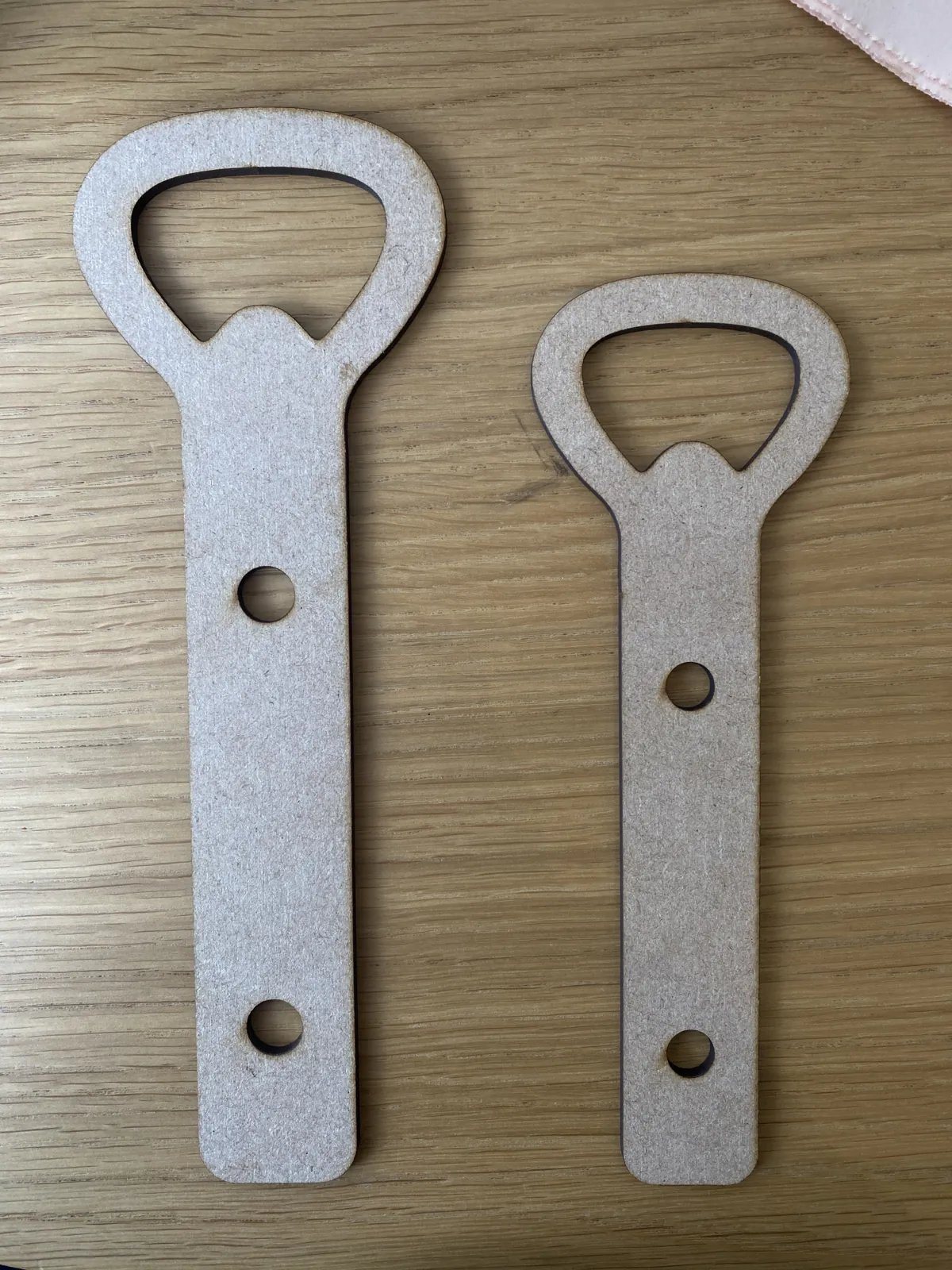
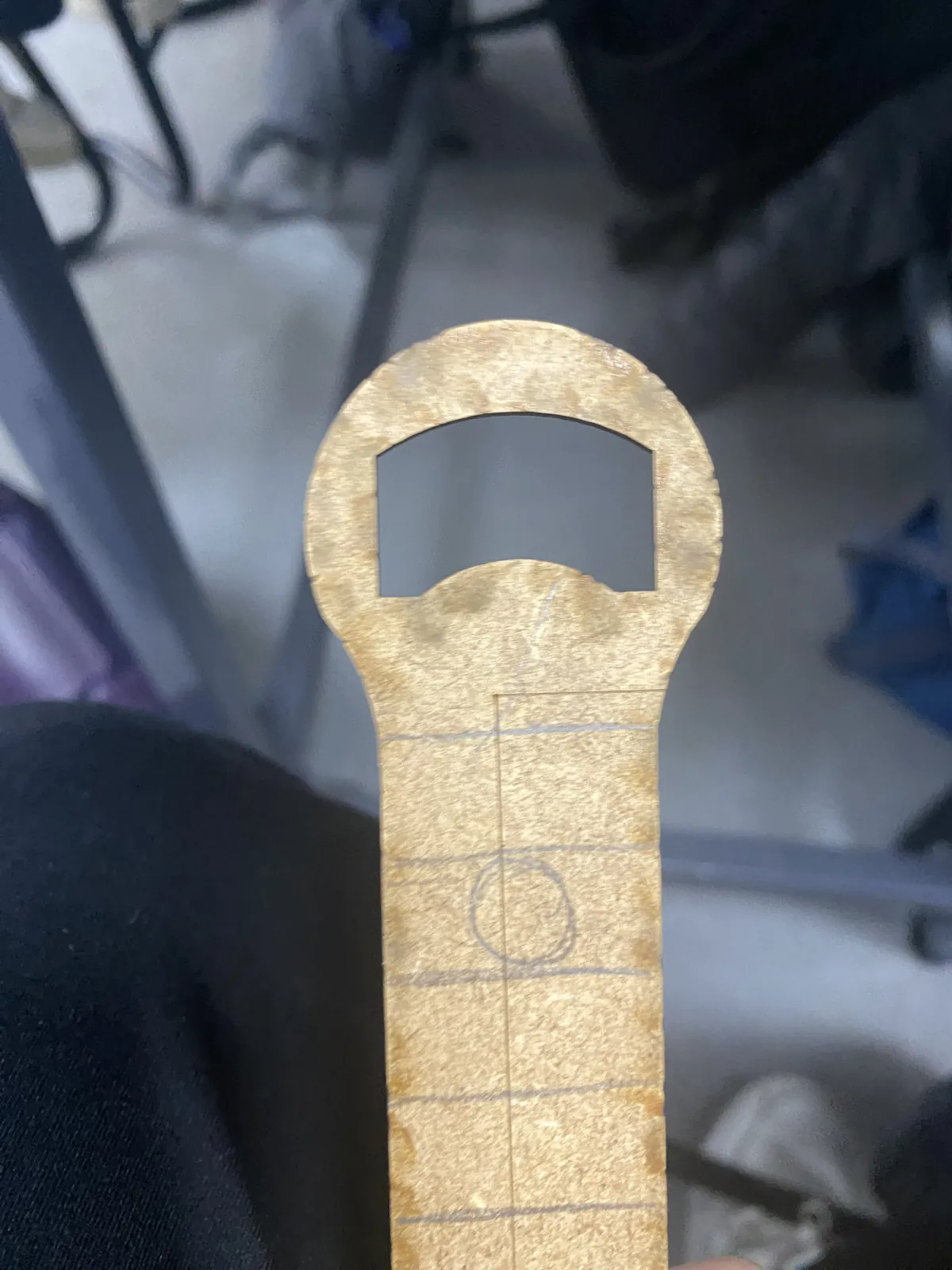
Bottle Opener
A working bottle opener, built from scratch
A working bottle opener, built from scratch.
The build
-
 Placeholder
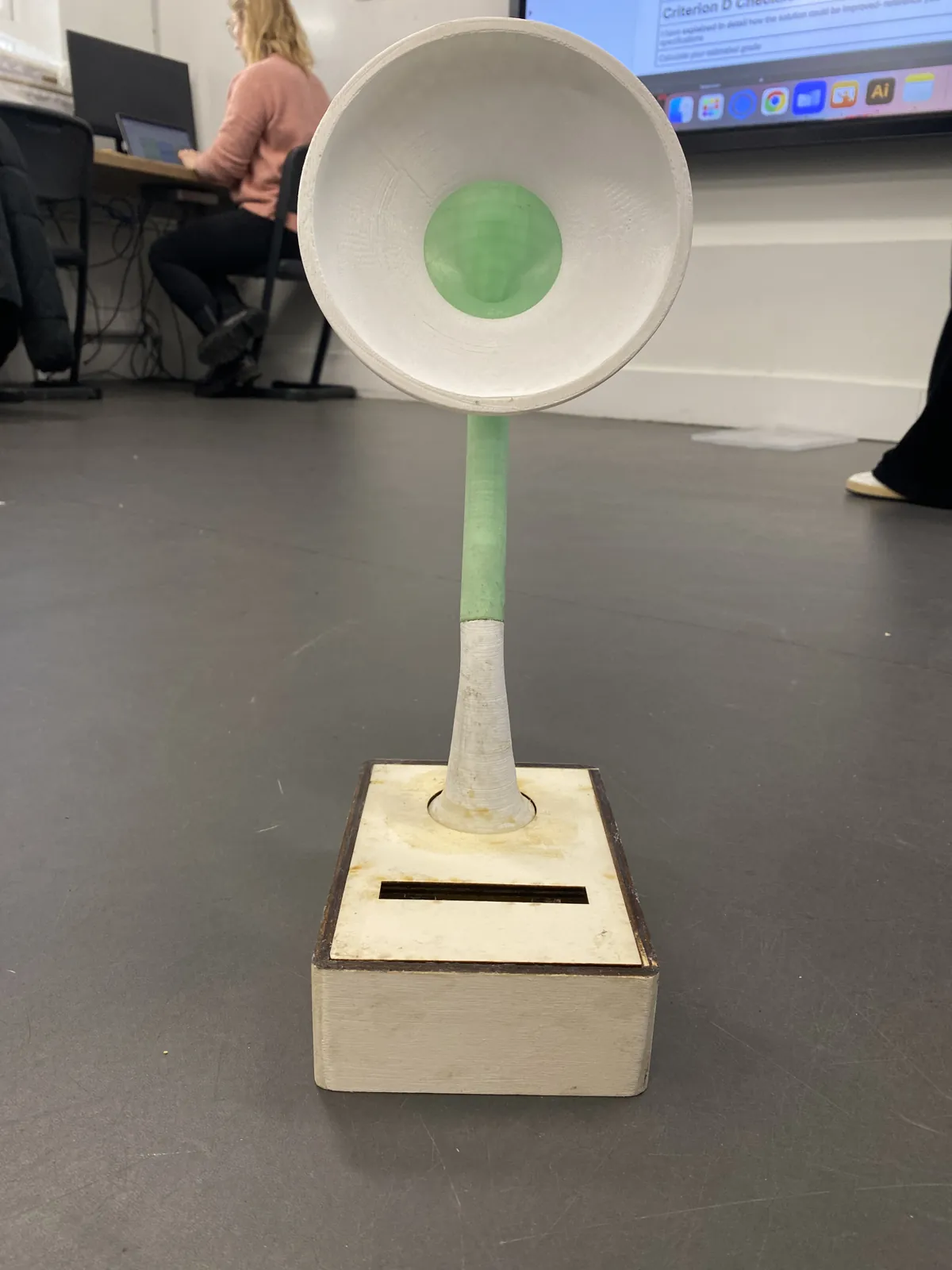
Amplifier
A tinkering project to experiment more
A tinkering project to experiment more.
Creative
Things I made
-
 03Placeholder
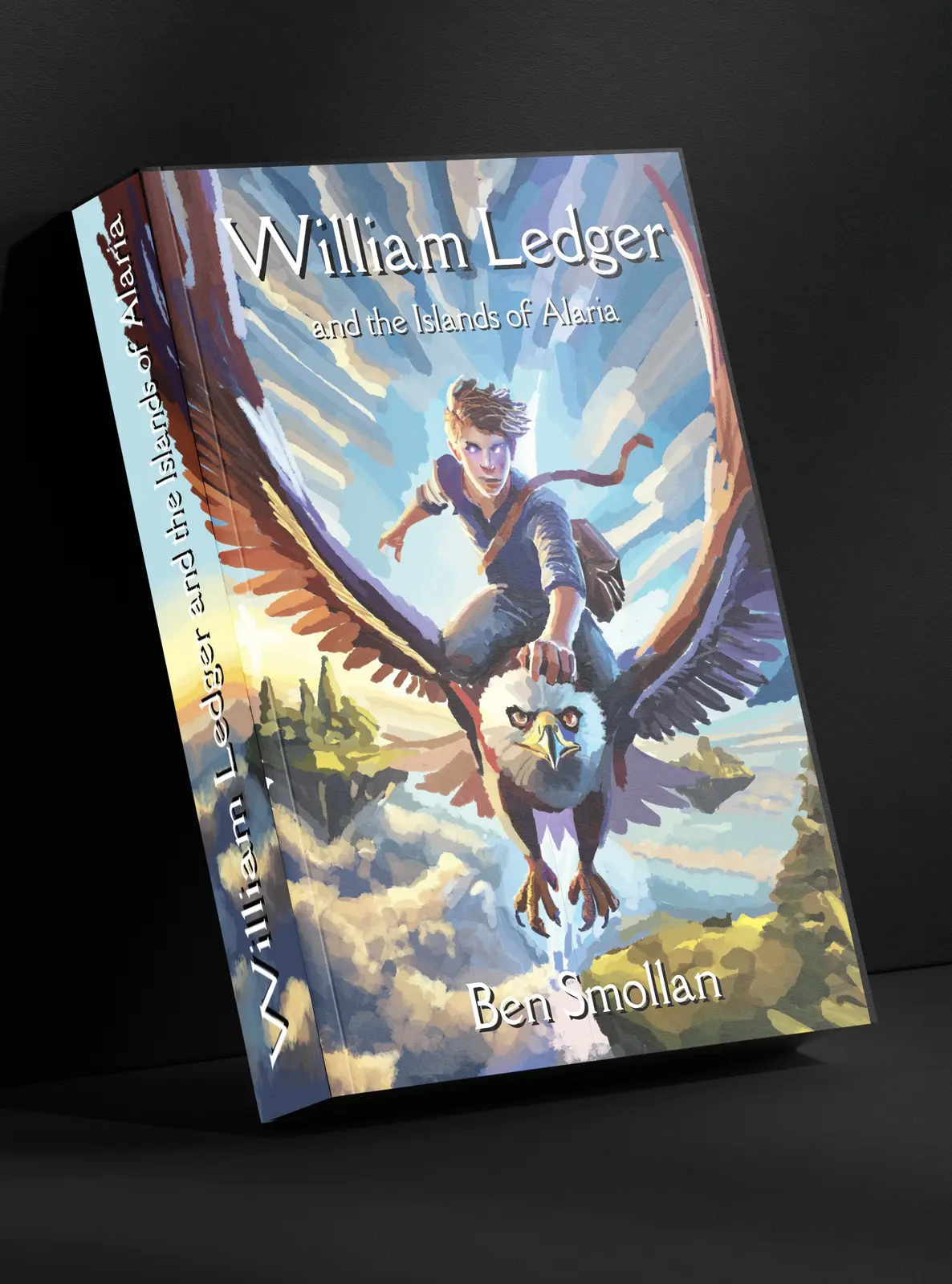
The Novella
A 20,000+ word novella
A 20,000+ word novella
This was a test of commitment and discipline to finish!
William Ledger and the Islands of Alaria
Final Product
The Planning
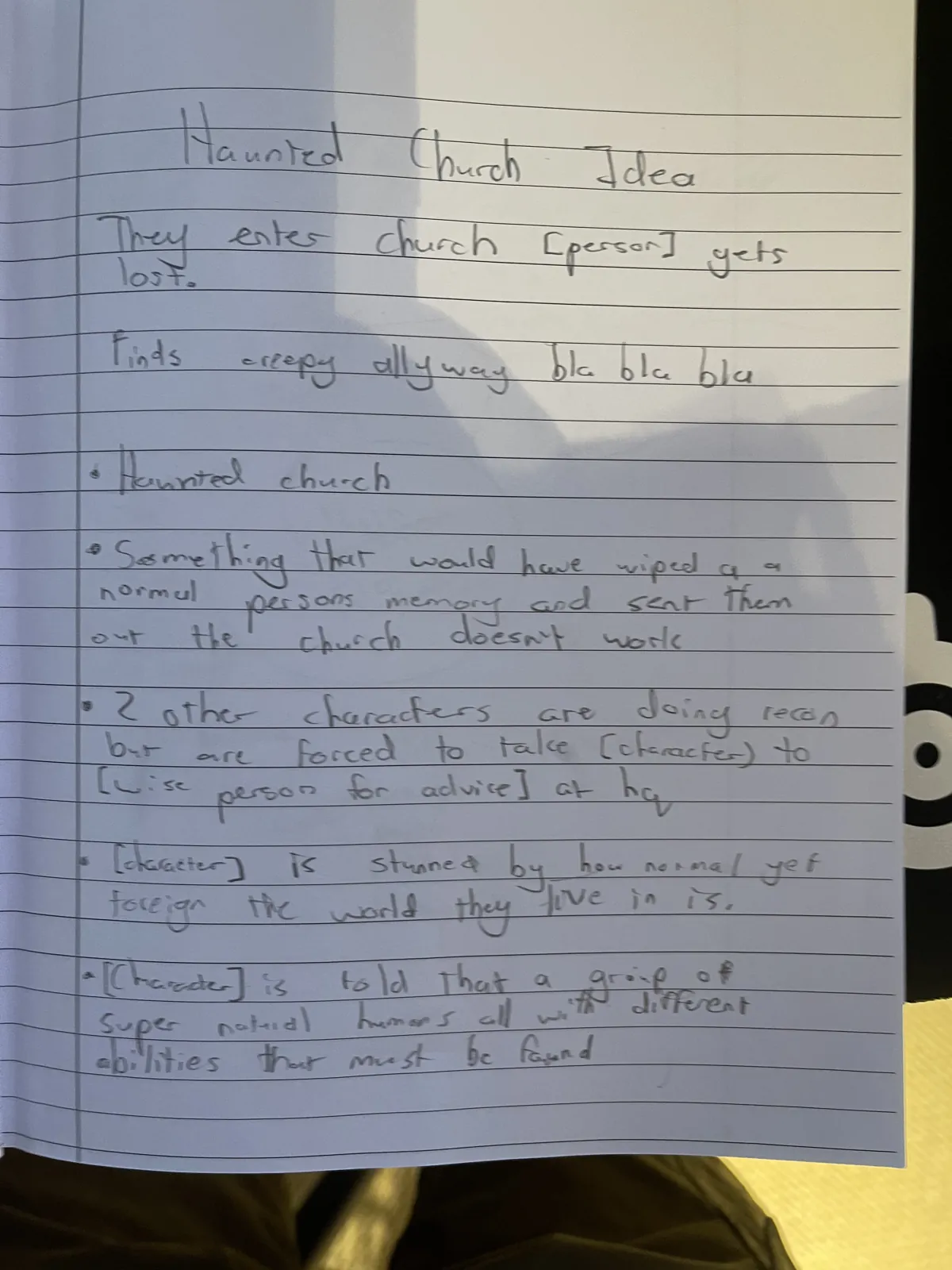
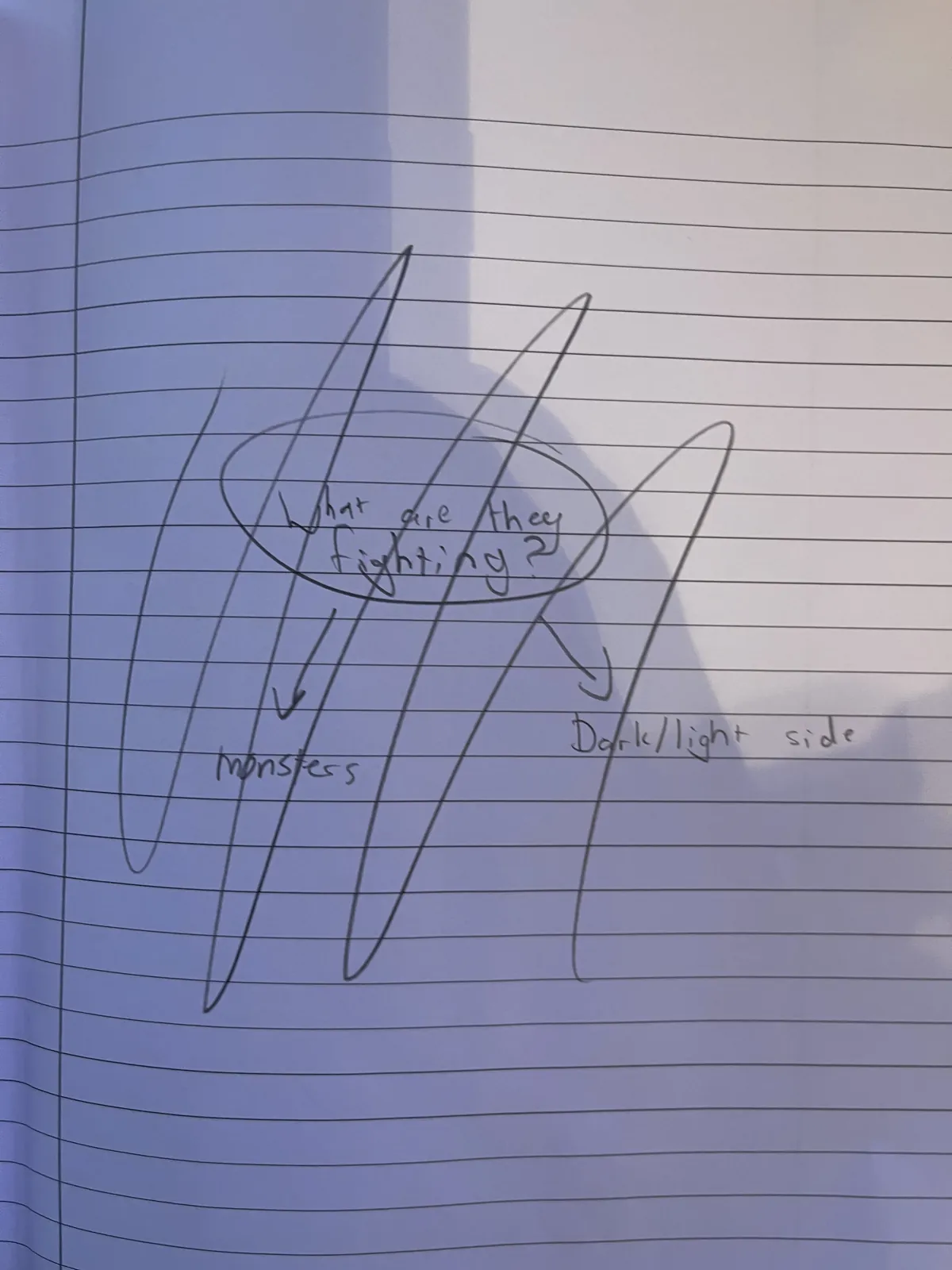
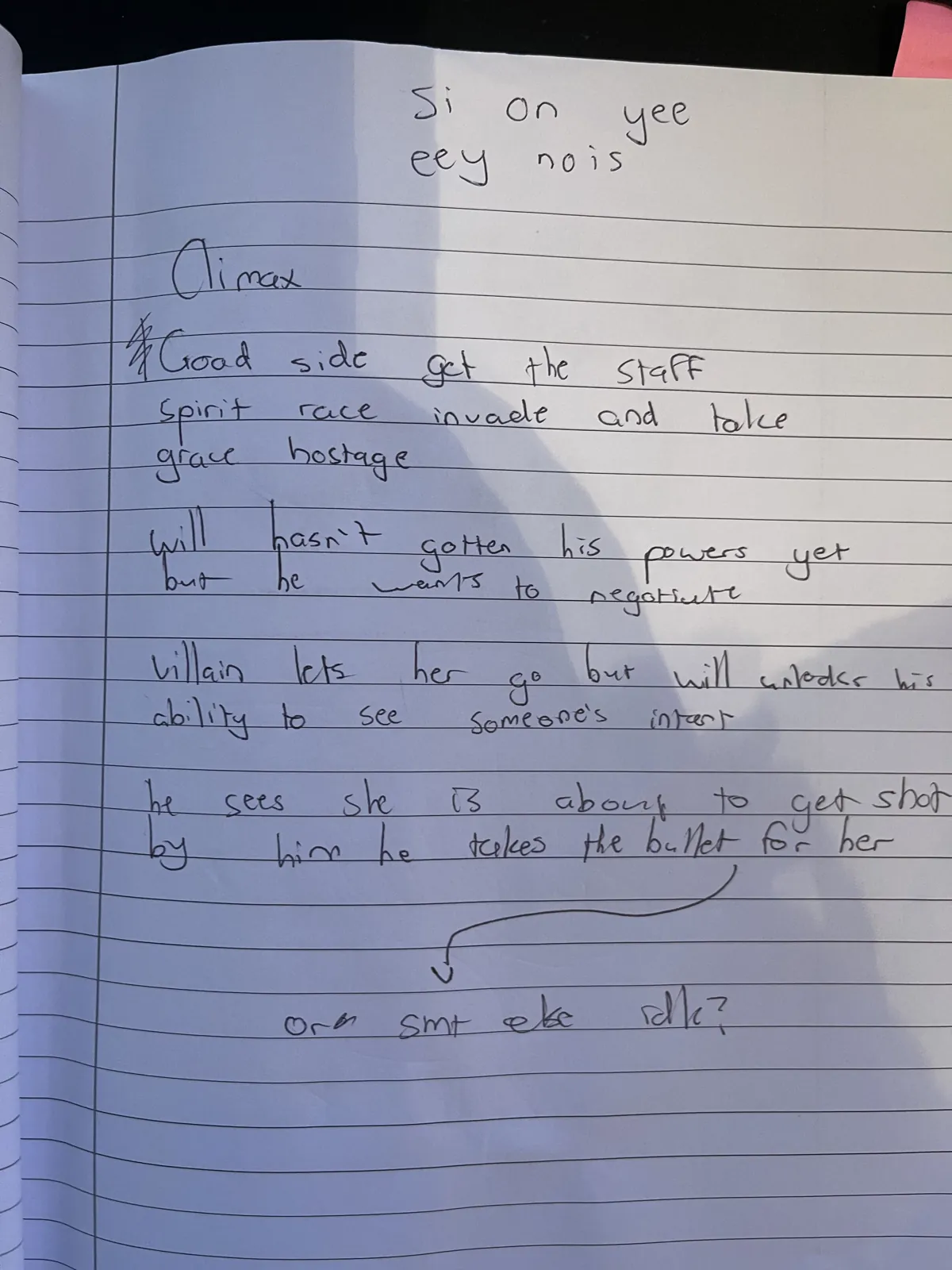
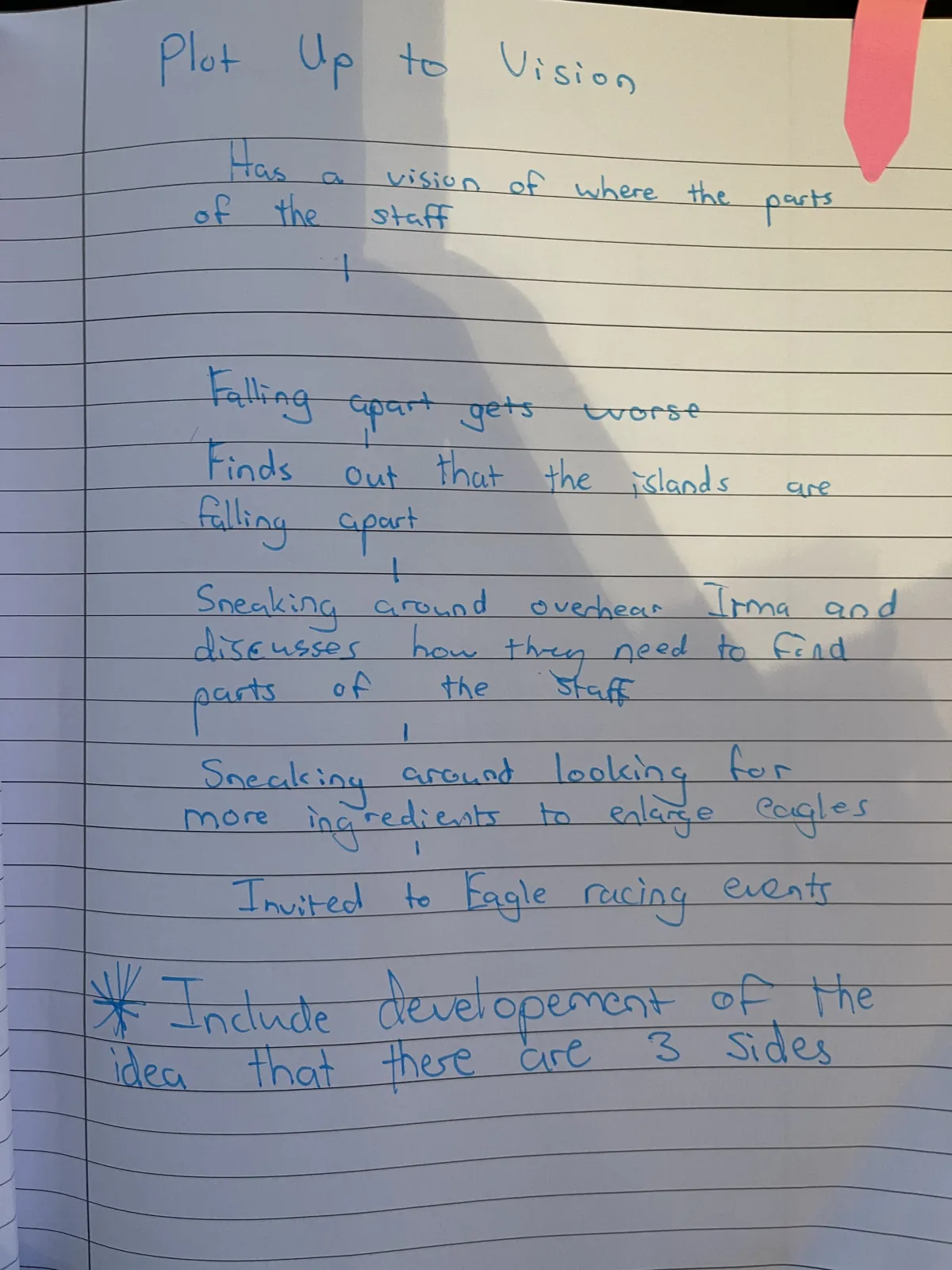
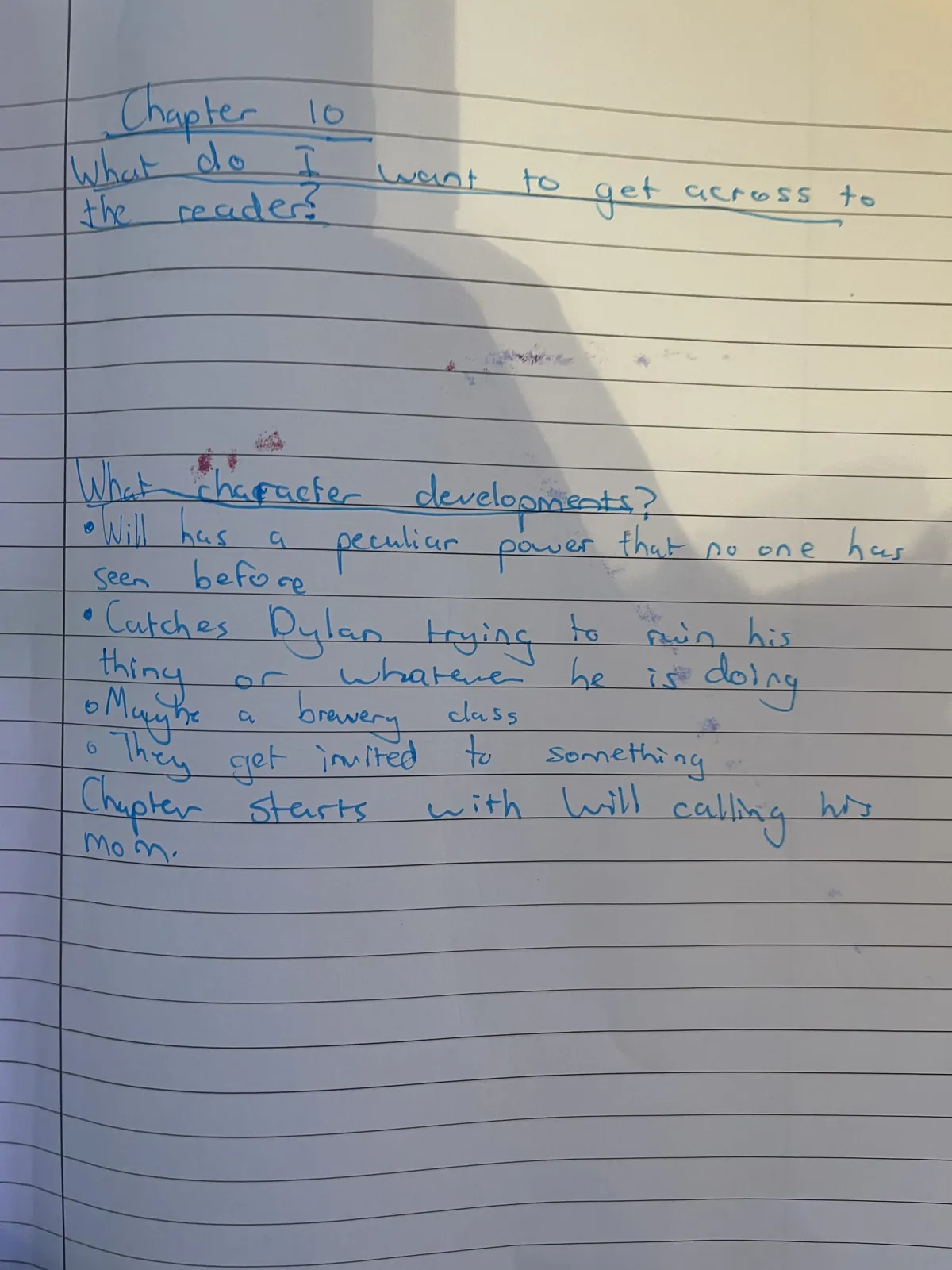
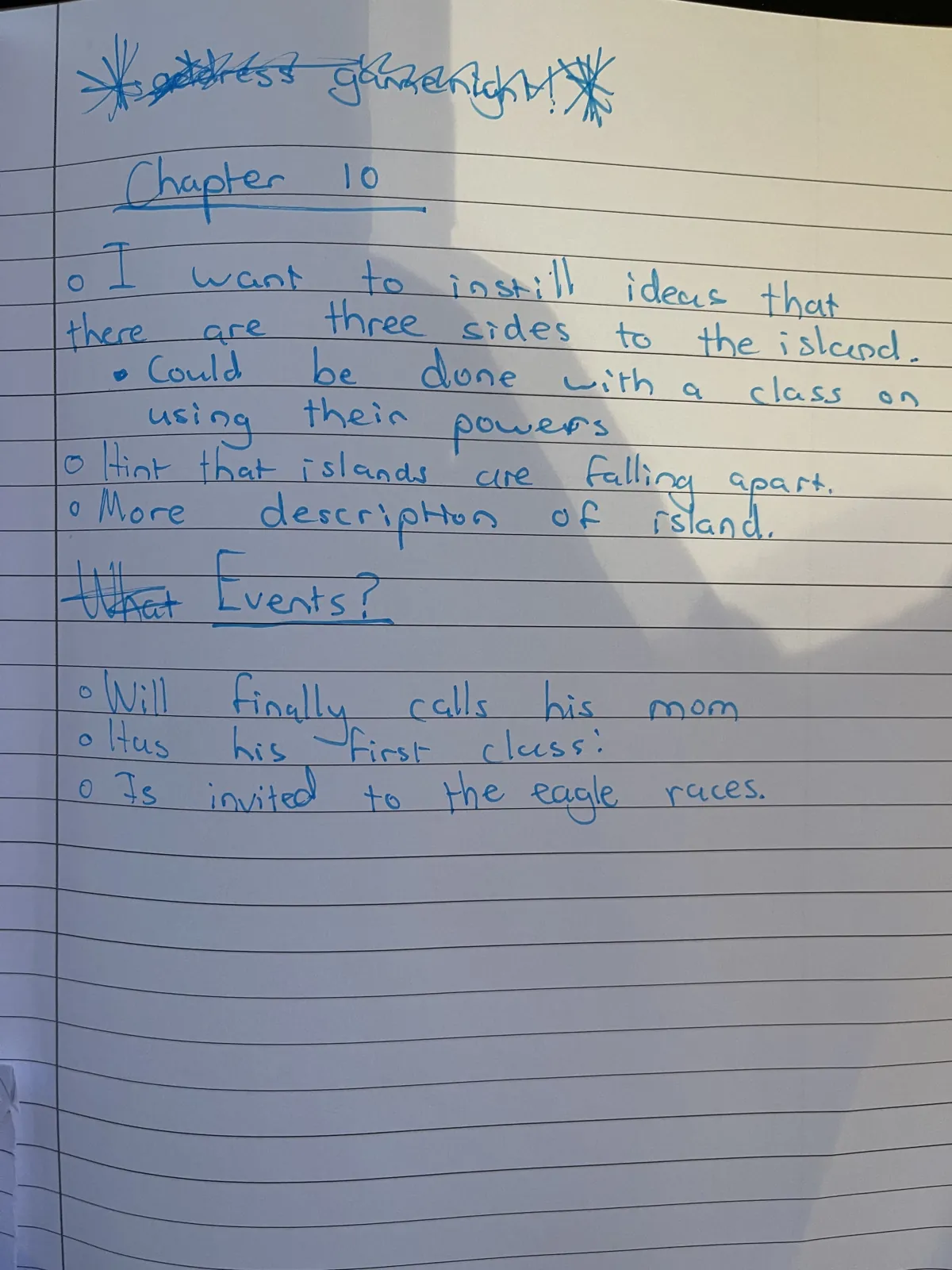
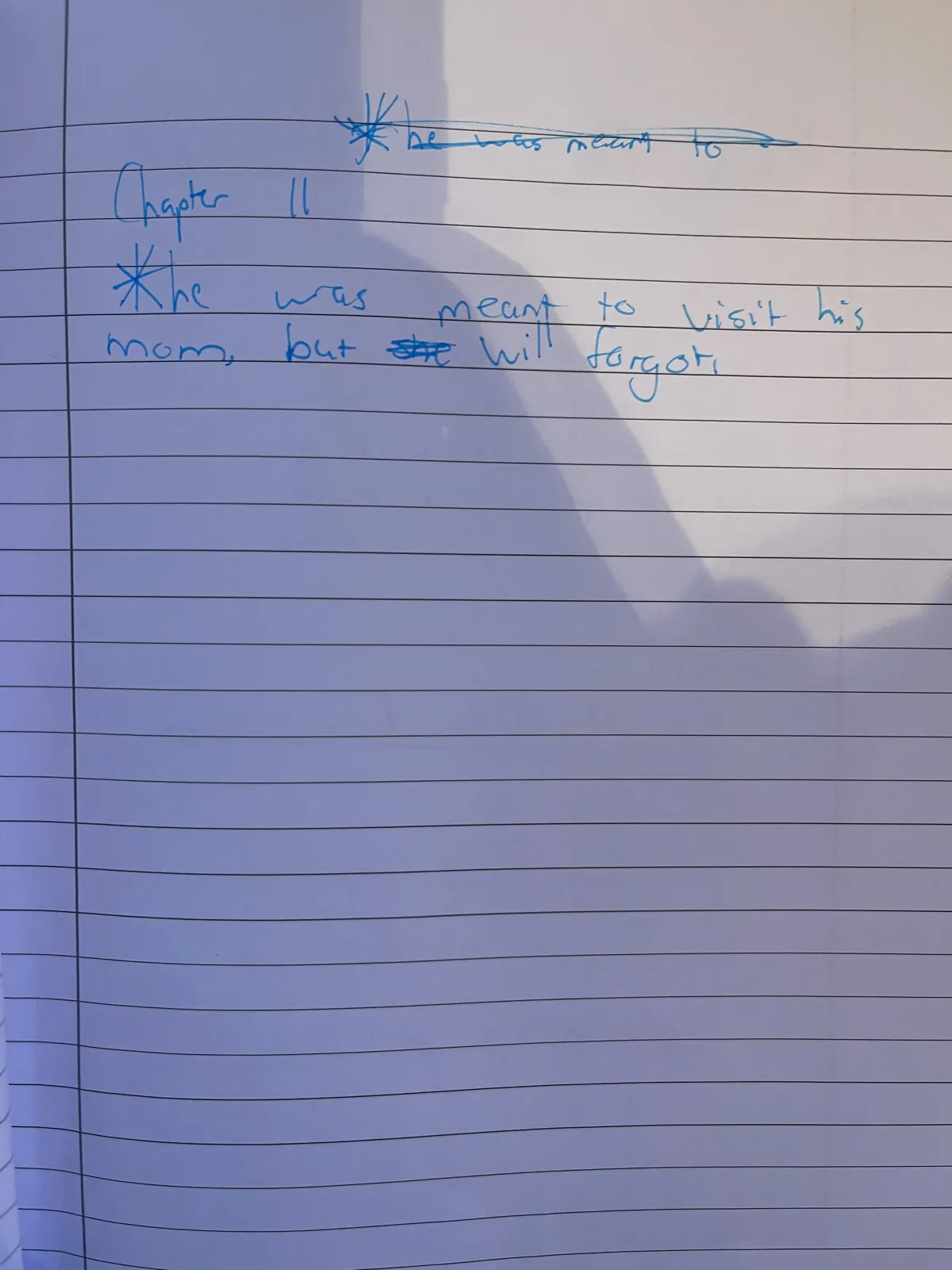
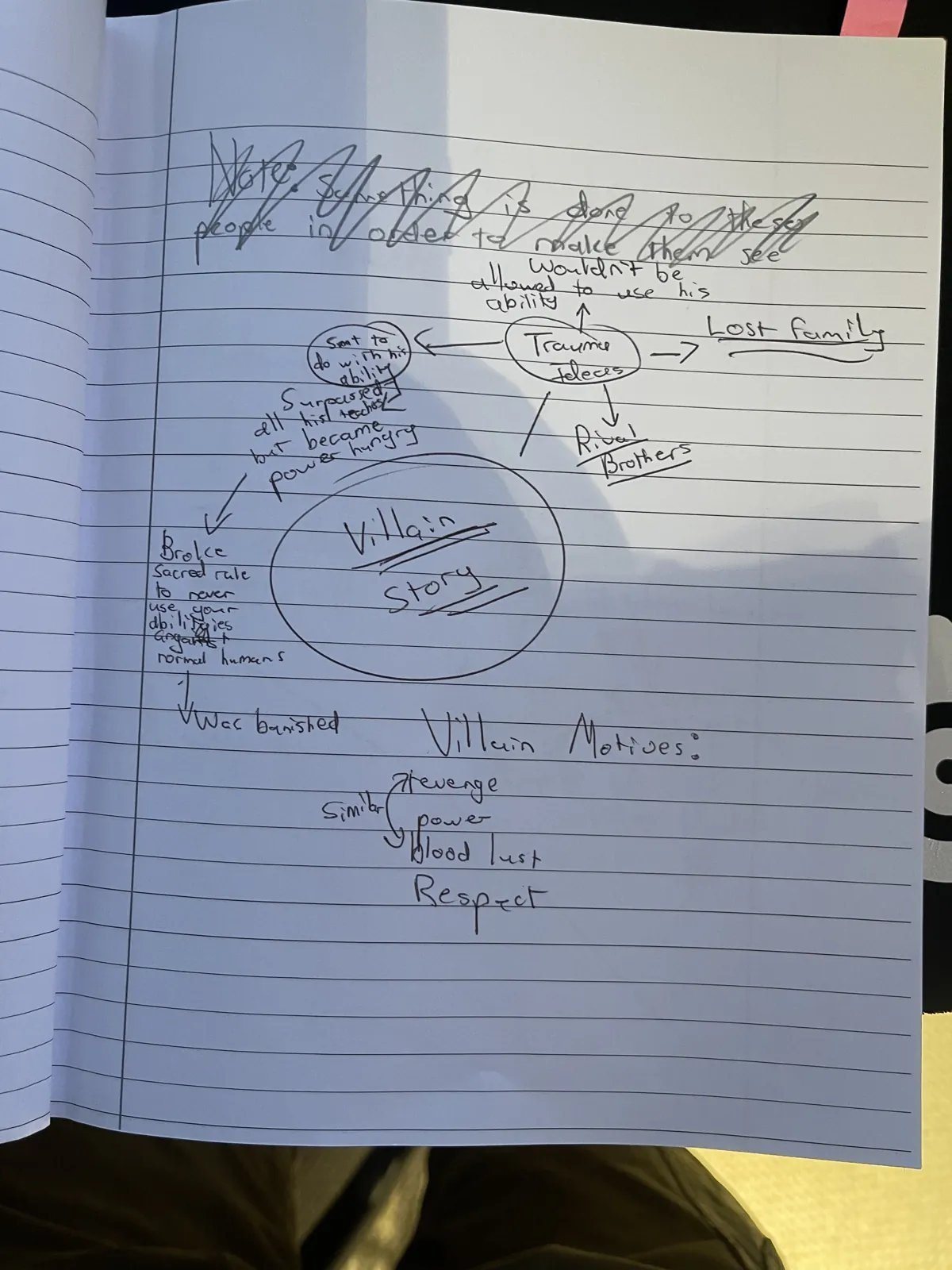
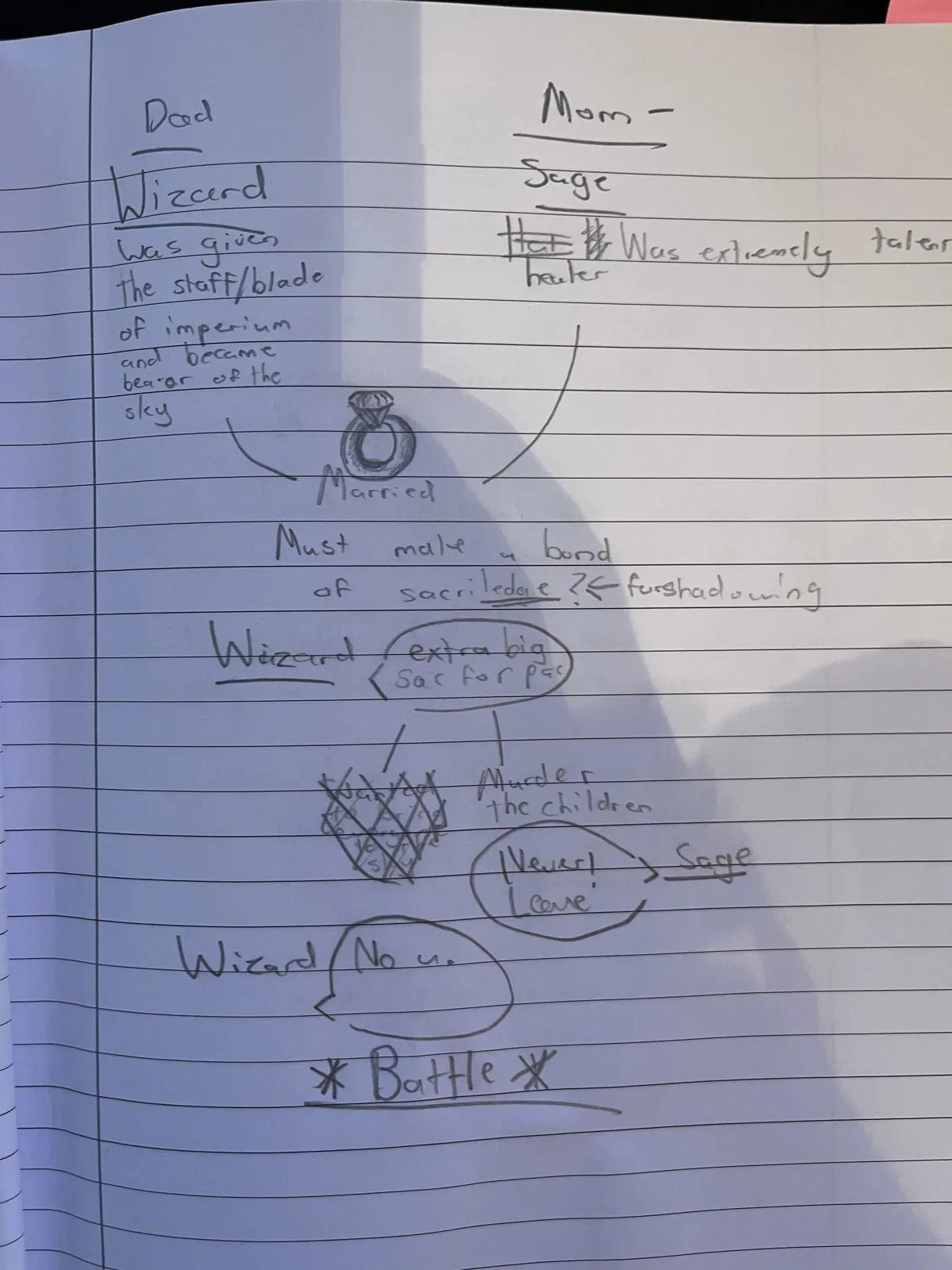
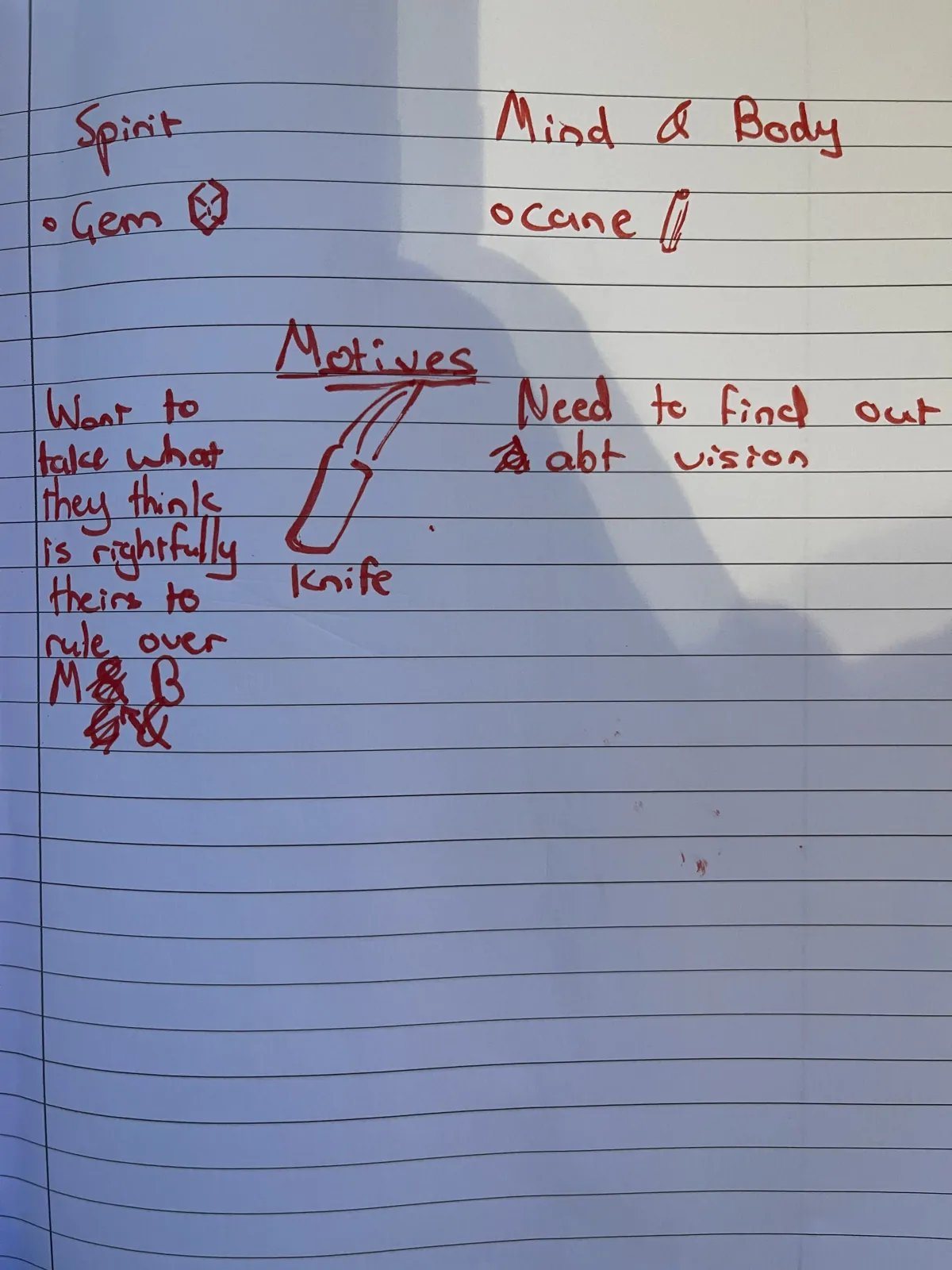
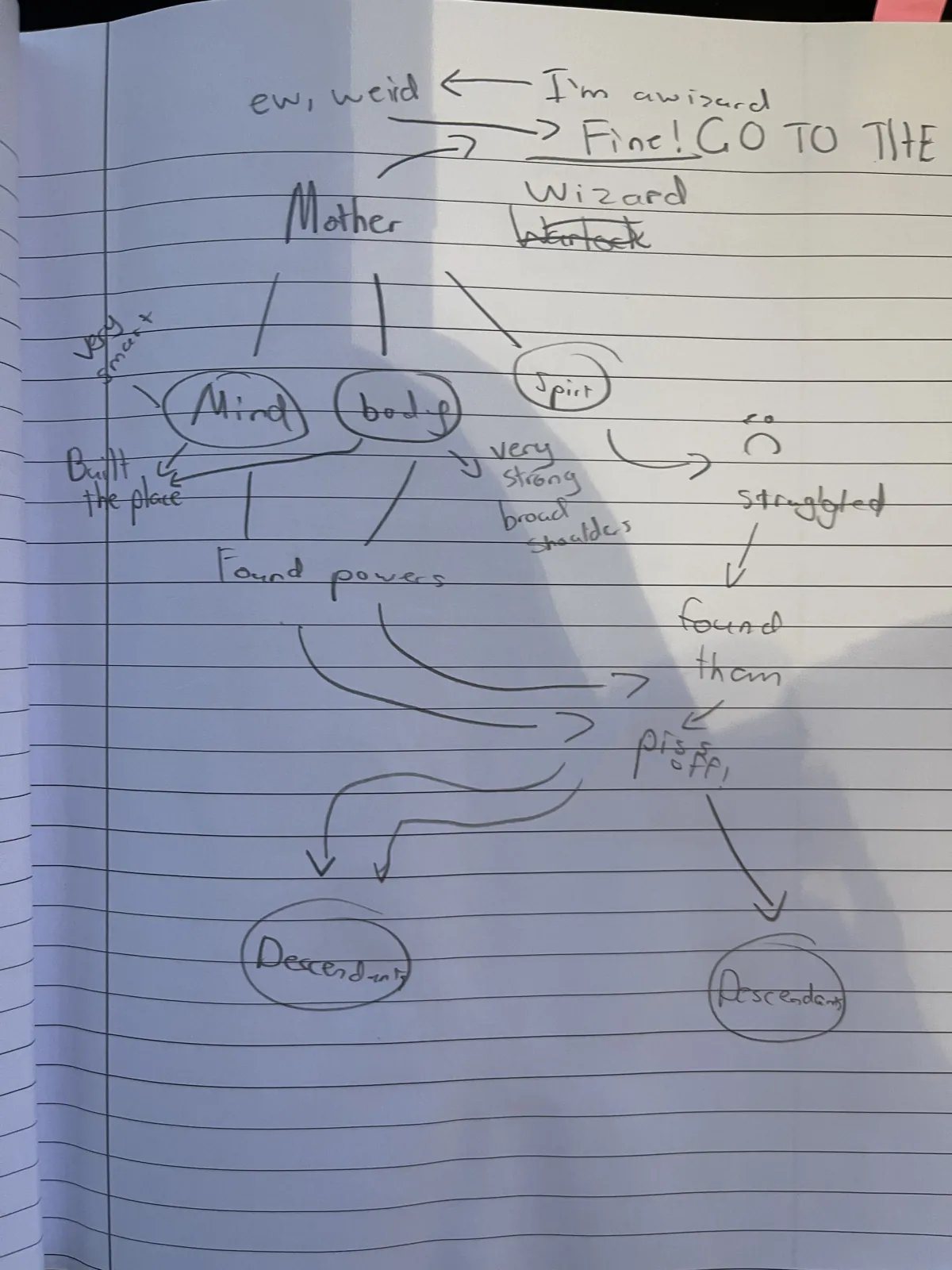
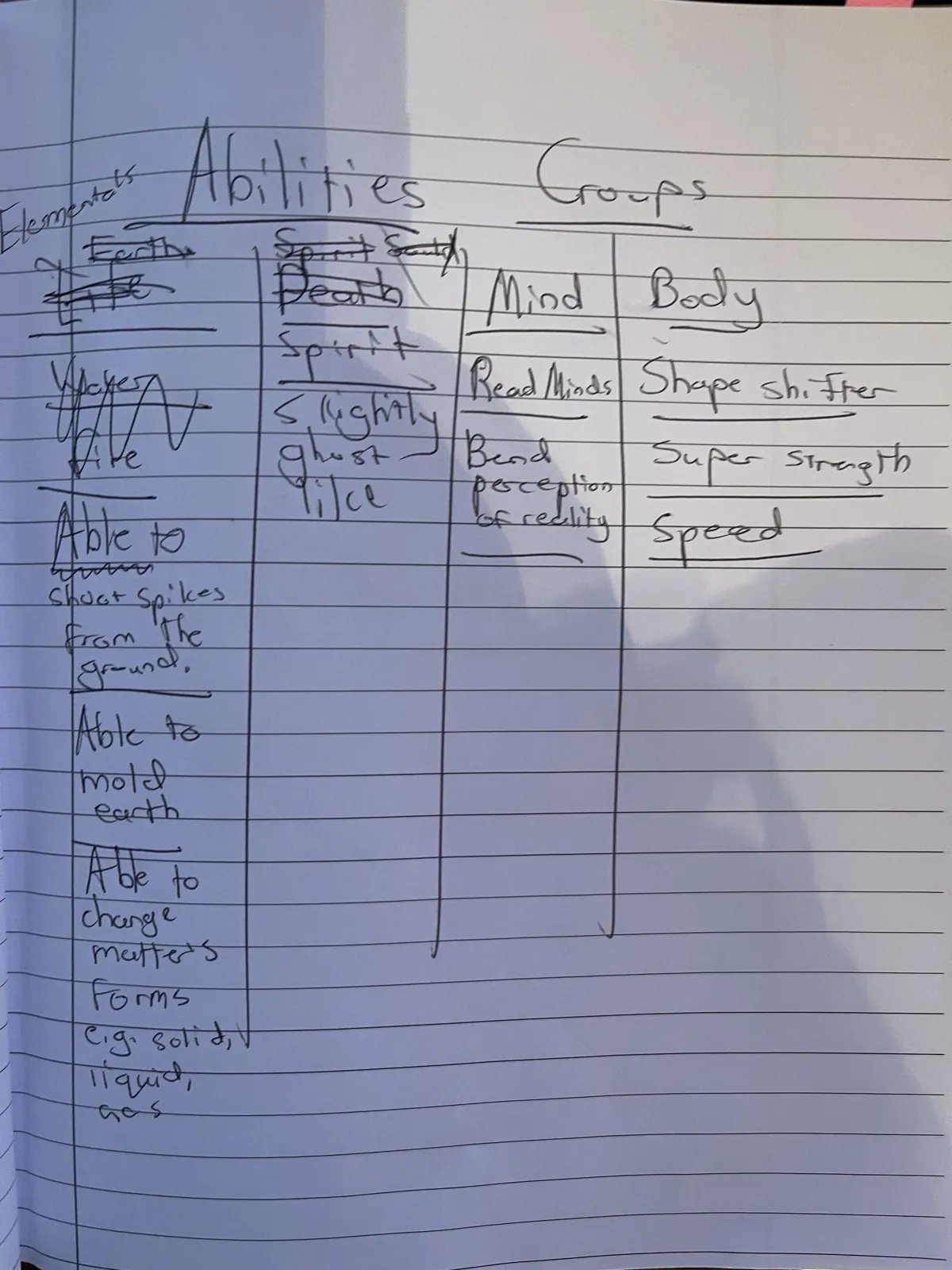
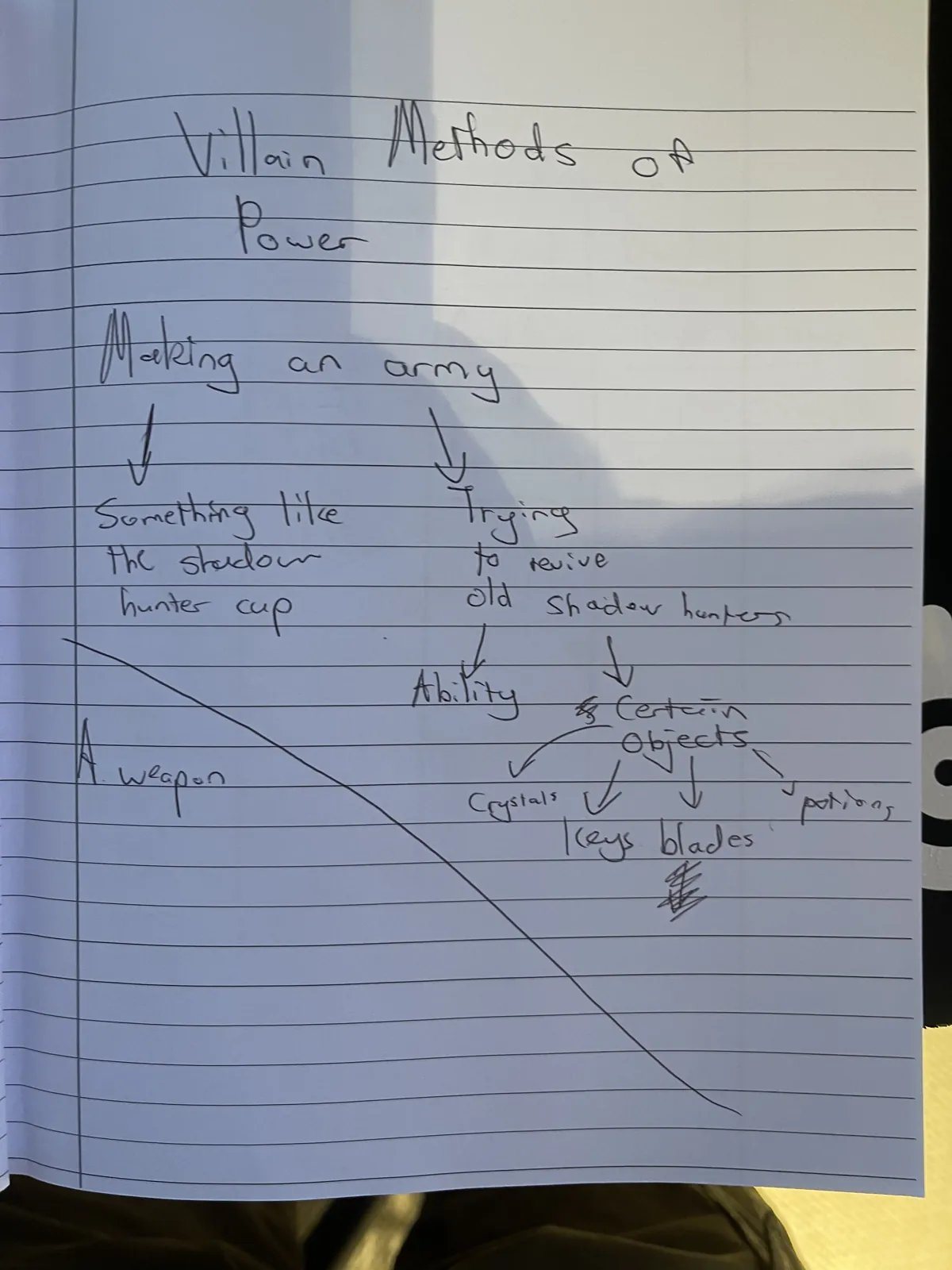
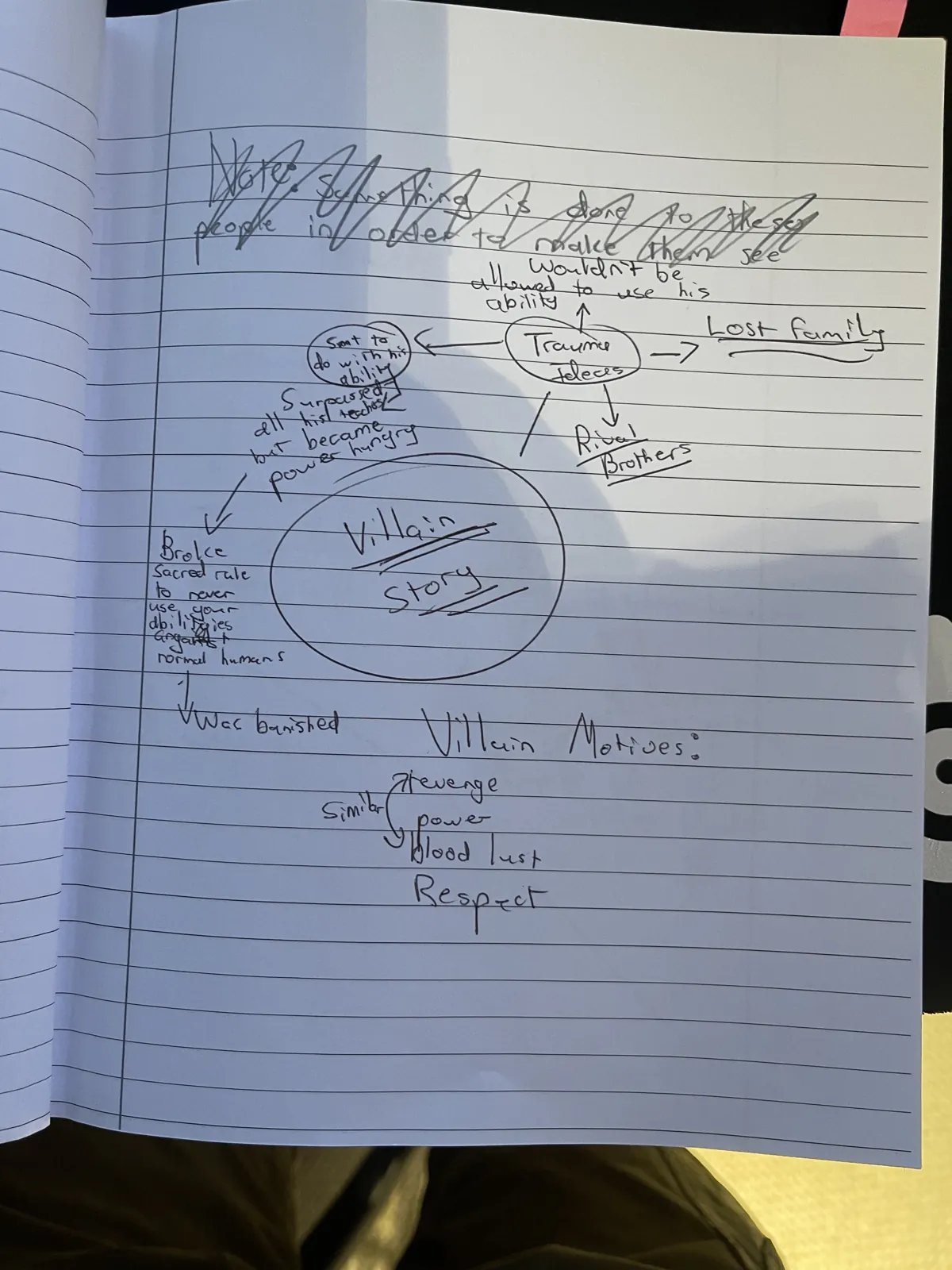
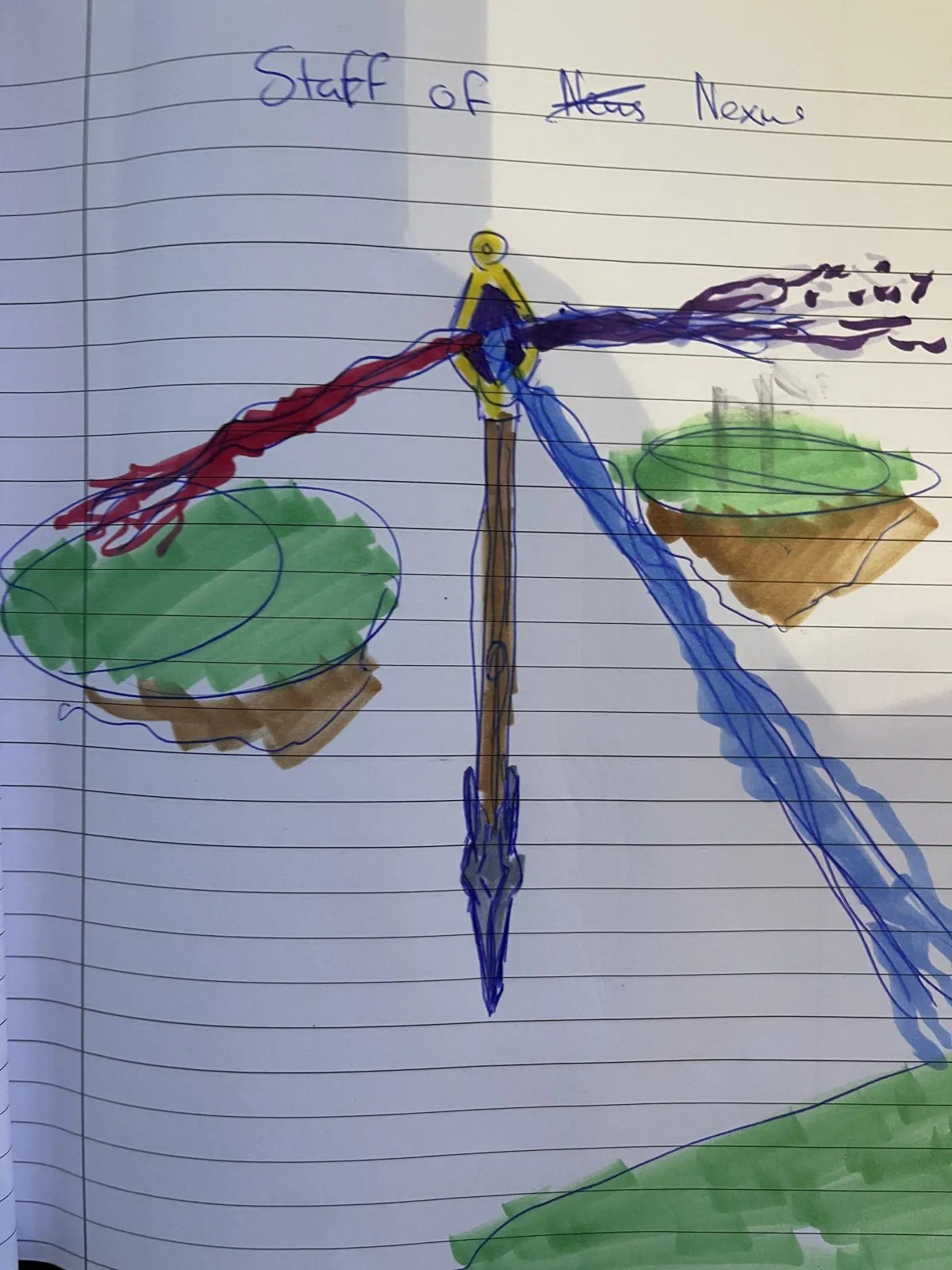
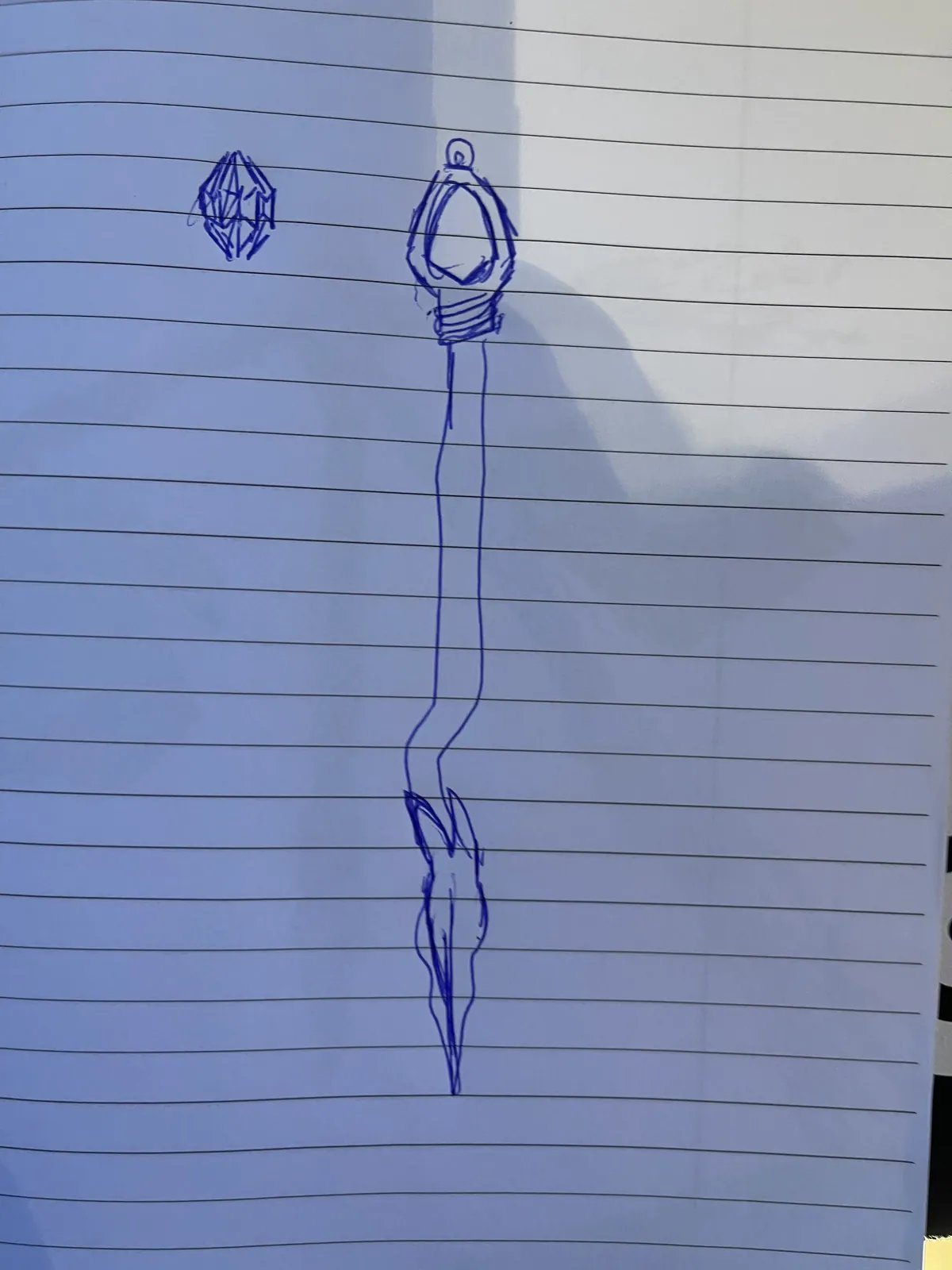
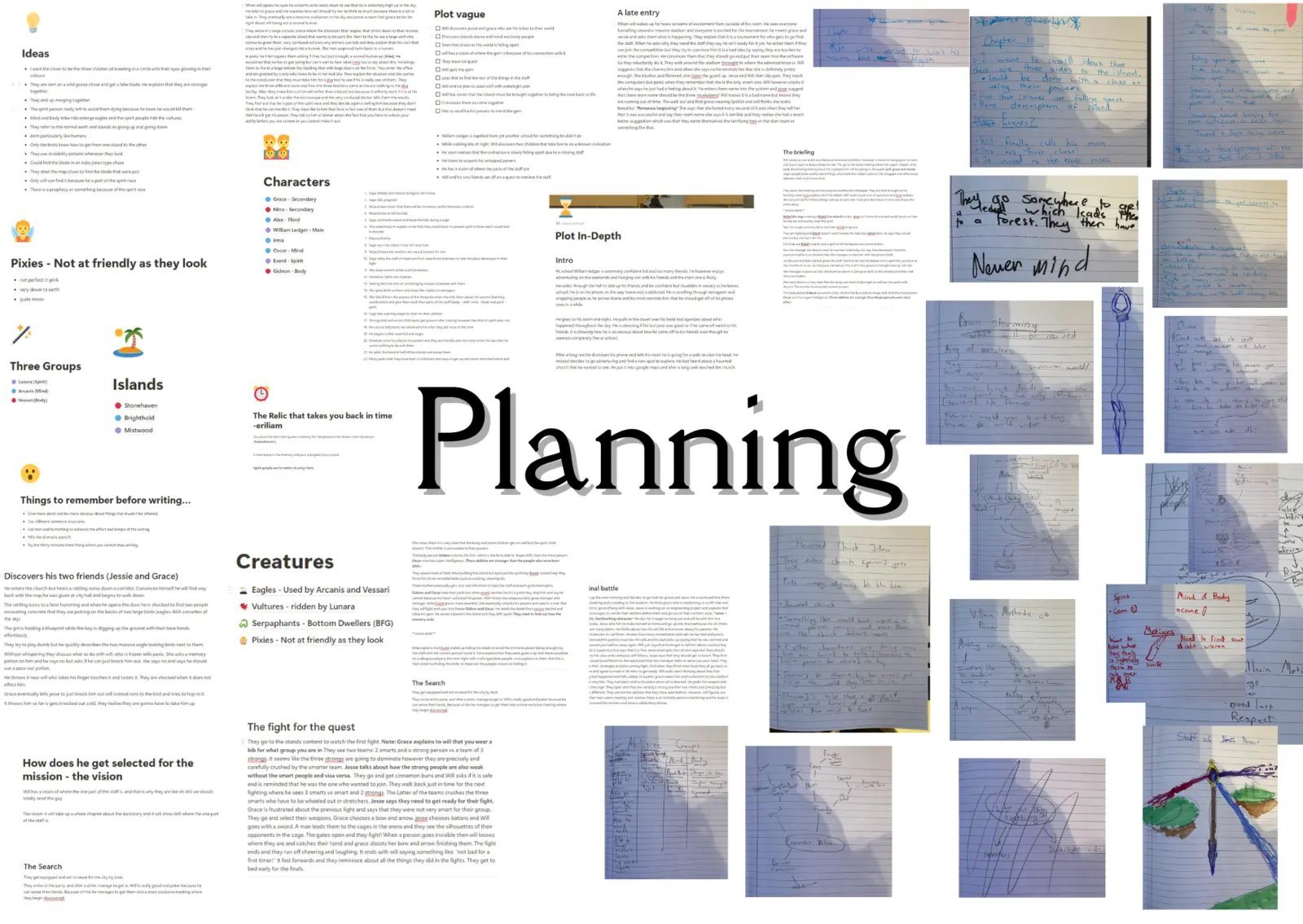
Building an entire world from scratch required A LOT of planning, brainstorming and banging my head against a wall.
The exhibition
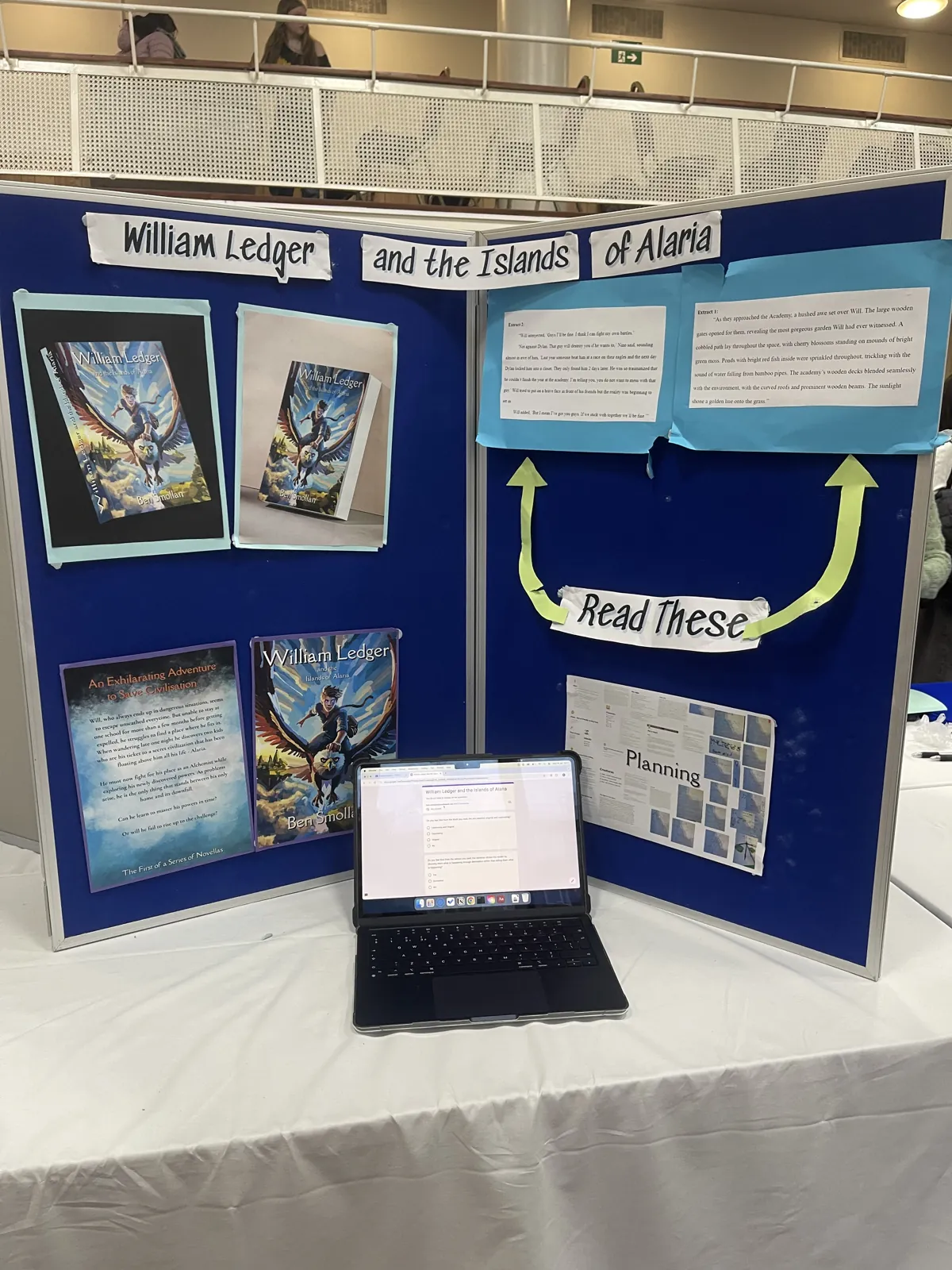
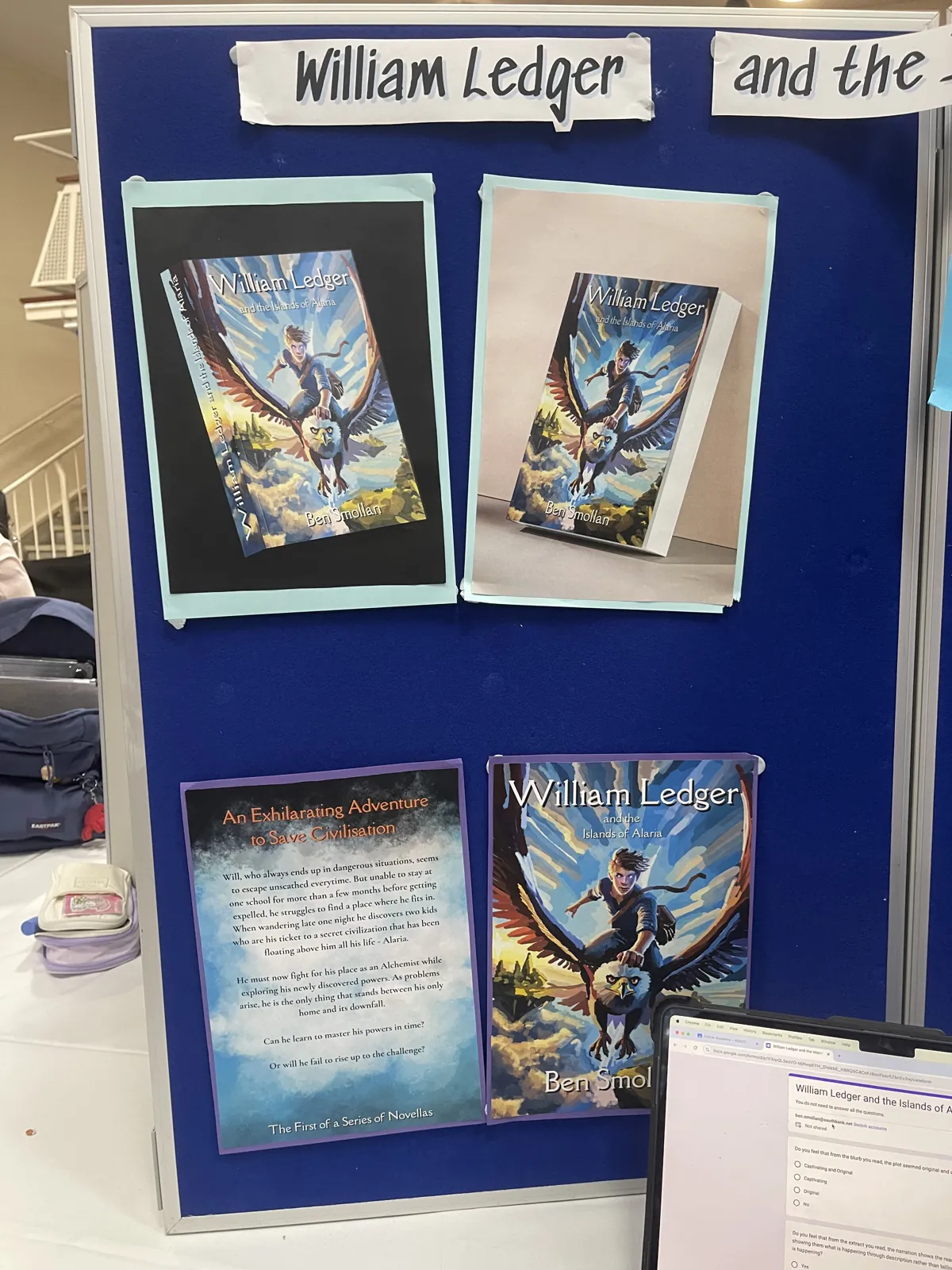
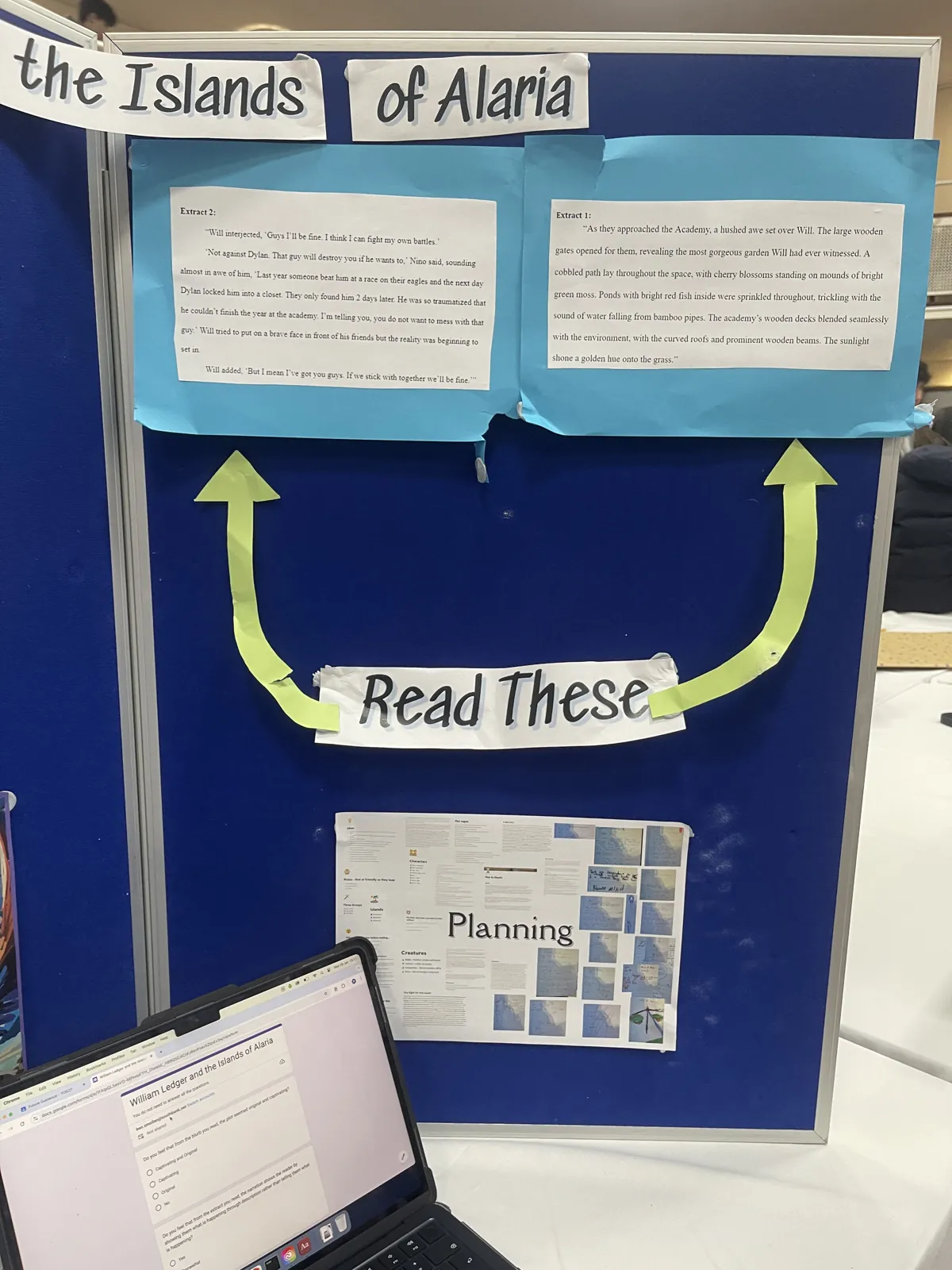
I then presented the Novella as part of a large exhibition.
-
 02Placeholder
Art
Personal projects, selling my art, and art about racism
From personal projects and monetization, to addressing social issues - all through art.
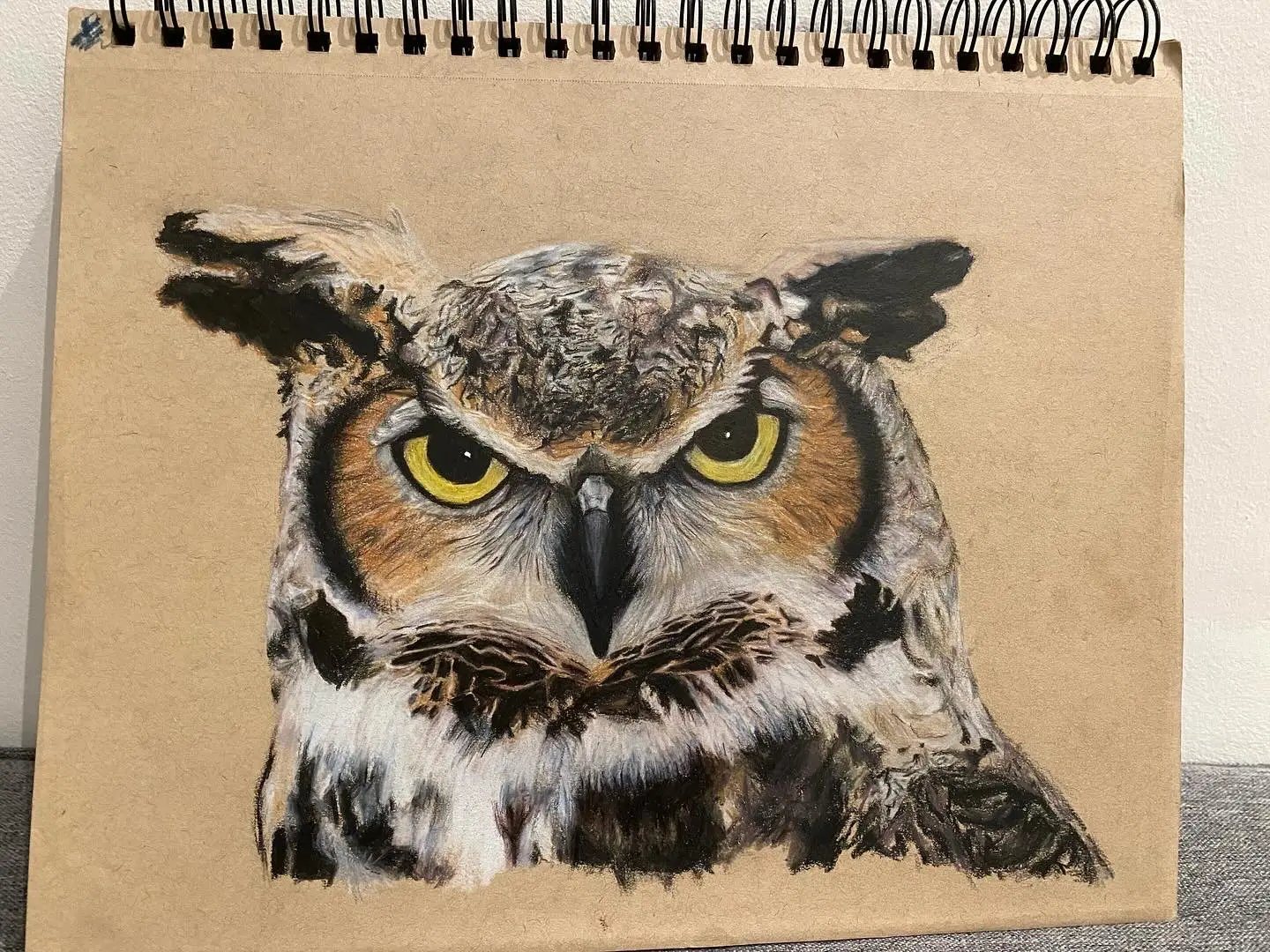
I've always loved doing art.
Combatting Racism Through Art
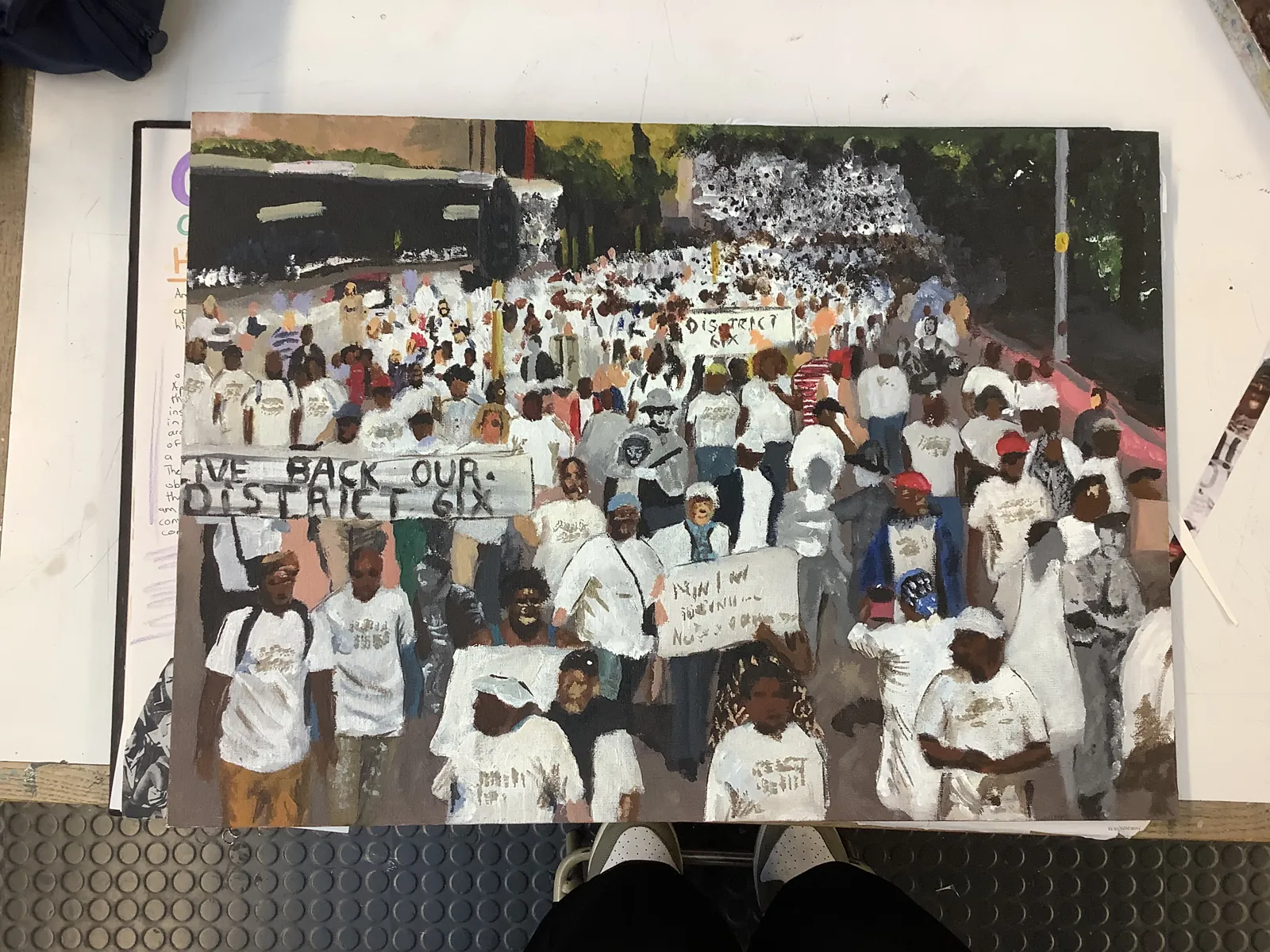
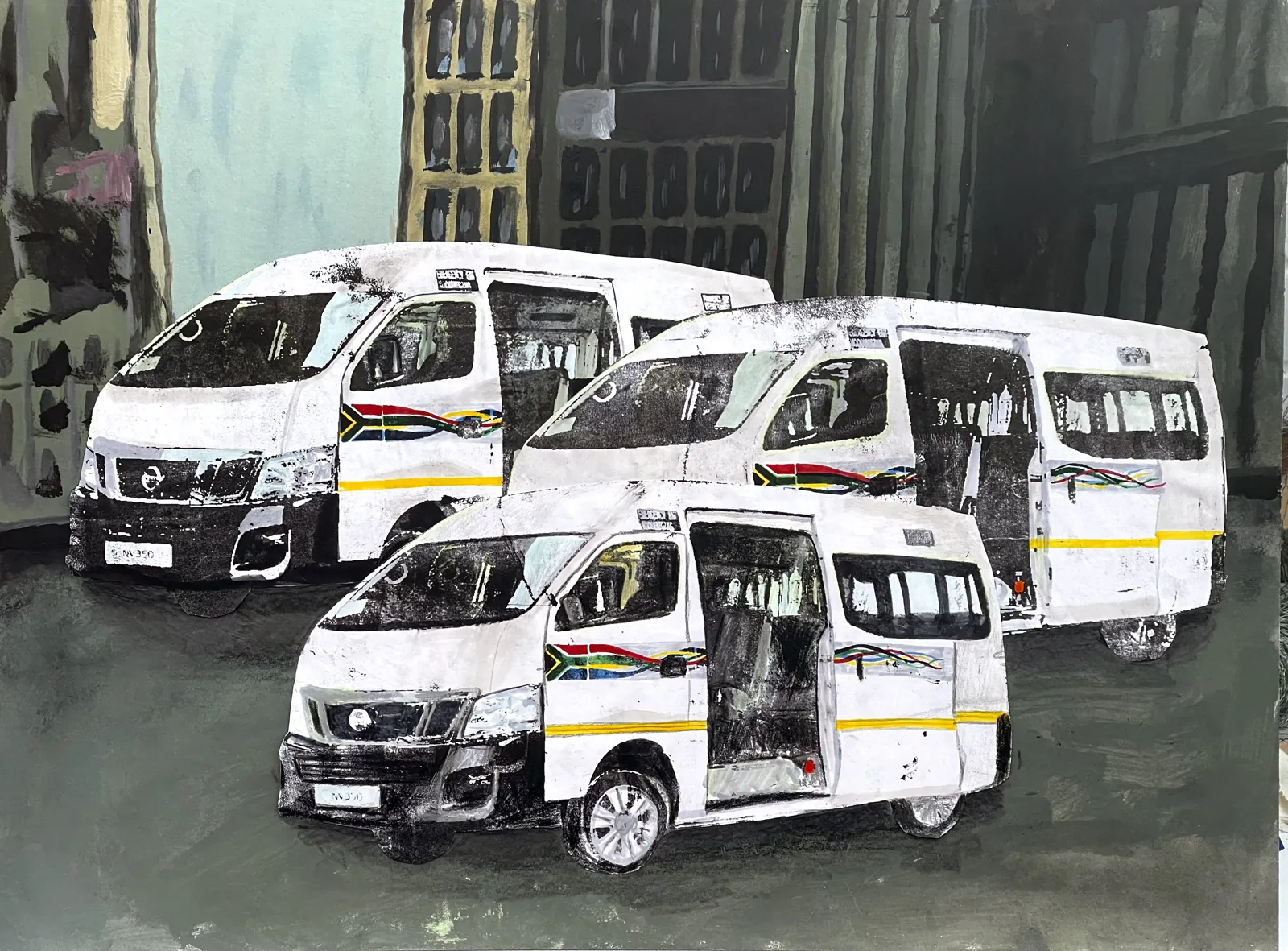
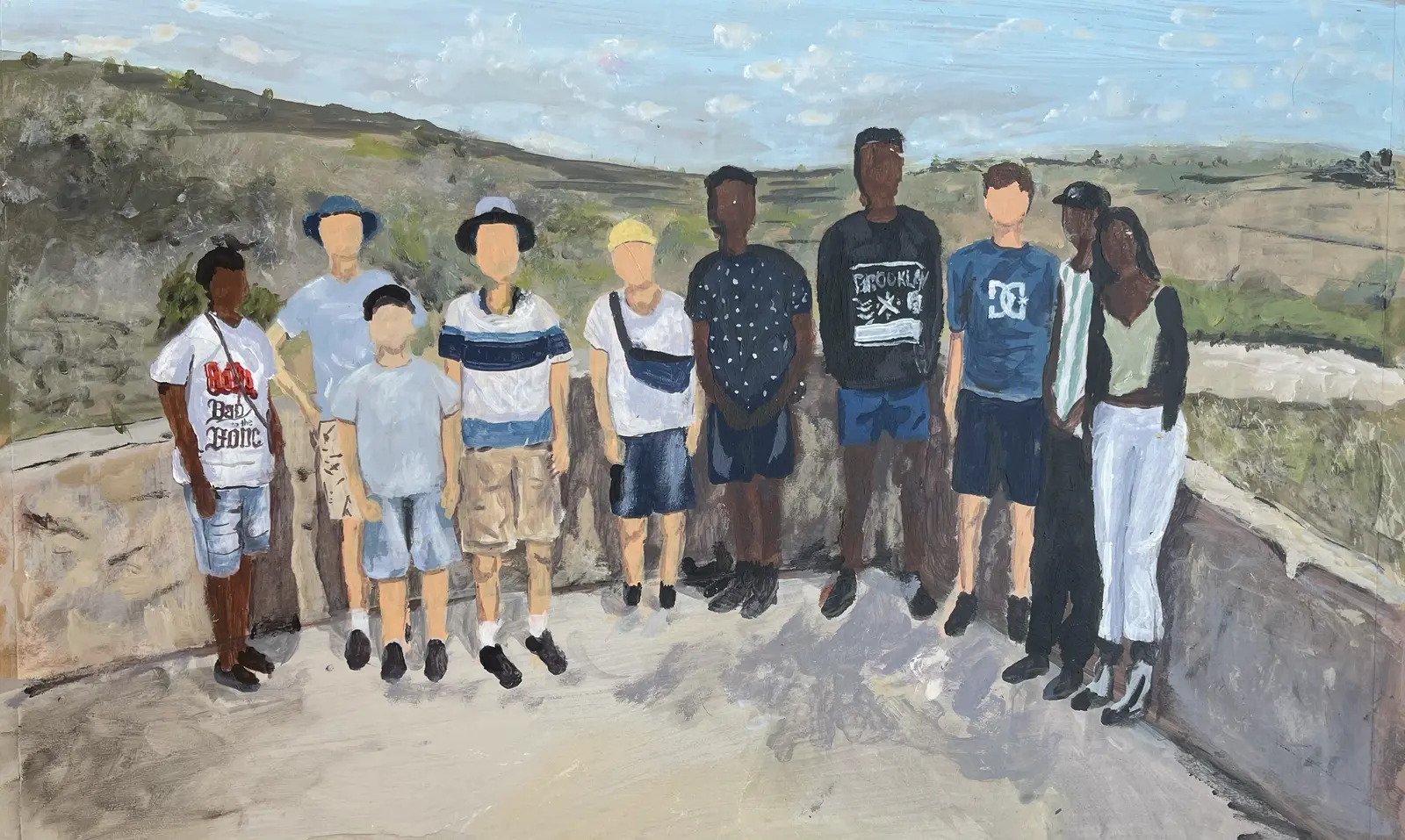
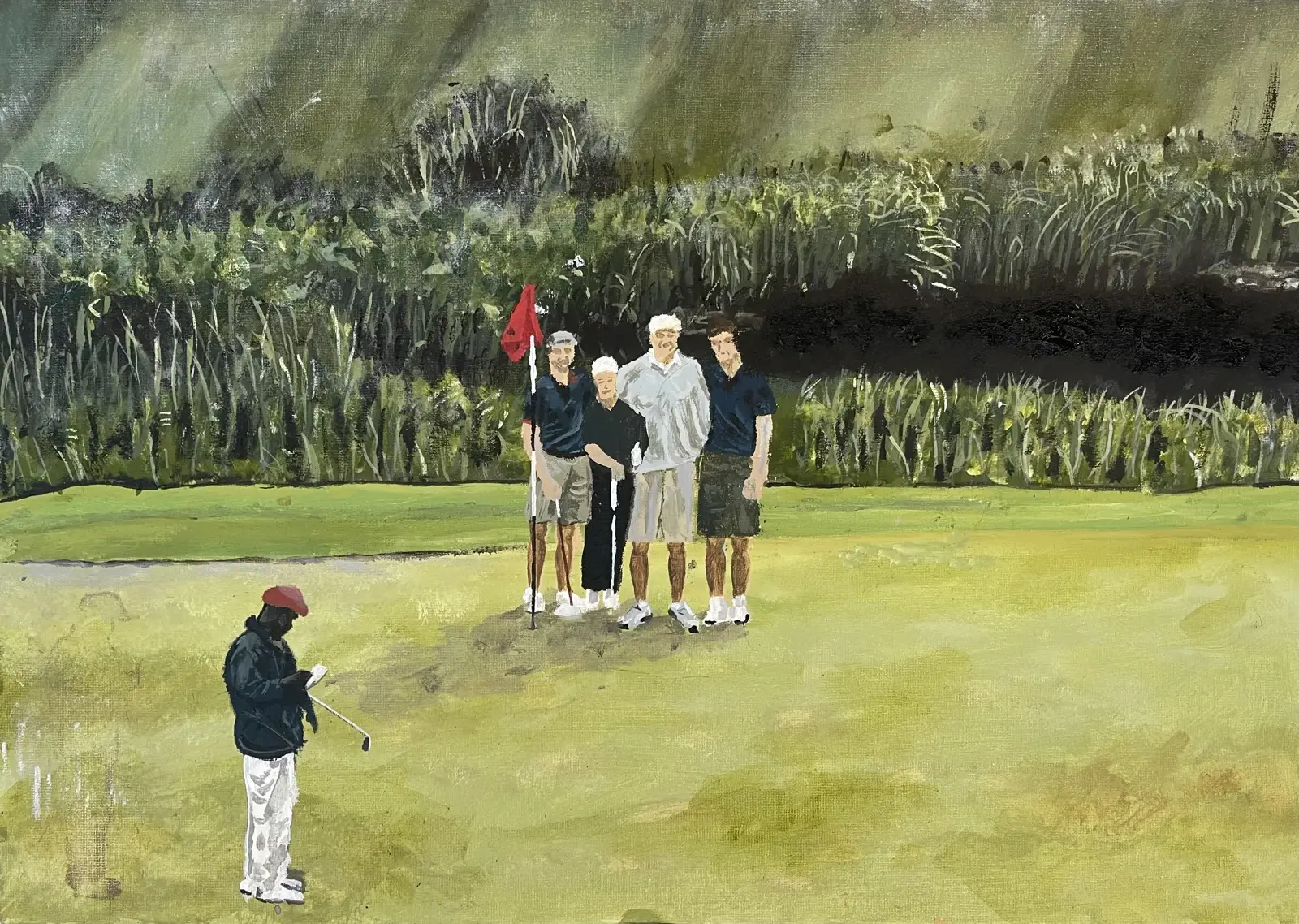
Coming from South Africa, I have witnessed the effects of institutionalized racism. I addressed this through my art through personal experiences and imagery.
Artwork one
Scenes of police brutality are hidden amongst a seemingly unified parade.
Artwork two
The taxis in South Africa are a dangerous method of transport many are still forced to use. It is a symbol of divide that remains today.
Artwork three
Placeholder: a bit of text explaining it.
Artwork four
Placeholder: a bit of text explaining it.
Artwork five
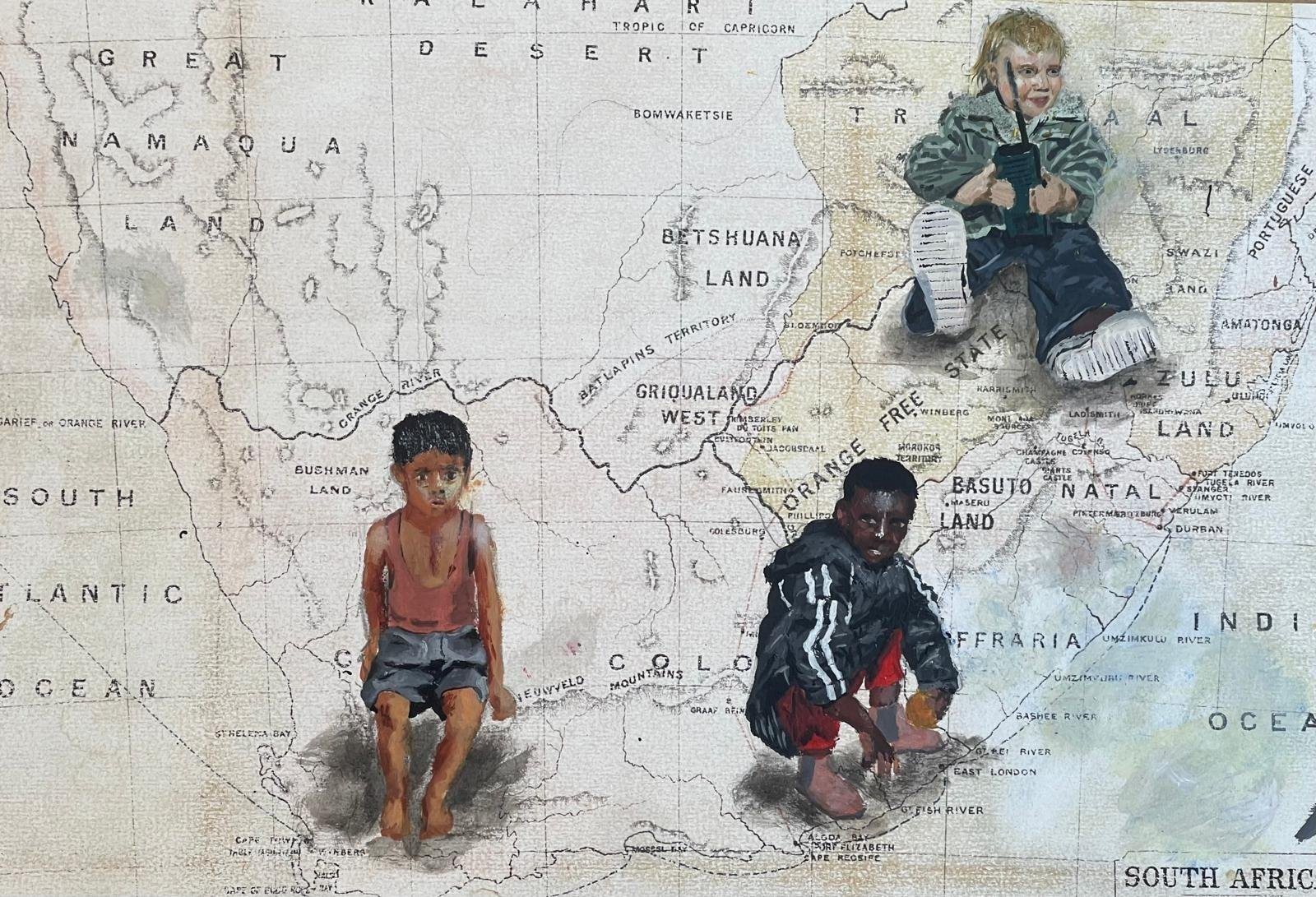
Children separated on a map of South Africa based on how races were segregated during Apartheid.
Regional ArtBytes Winner
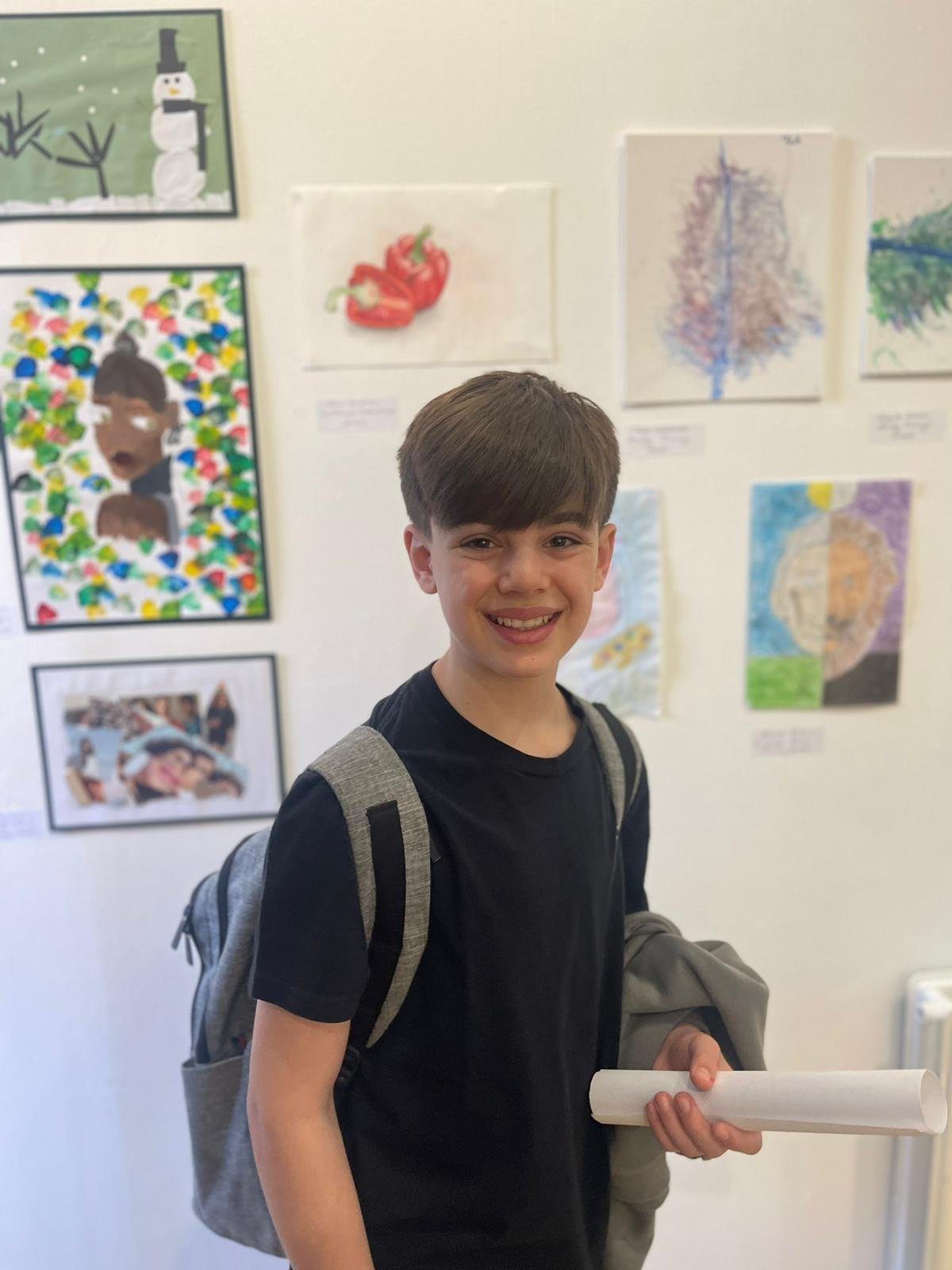
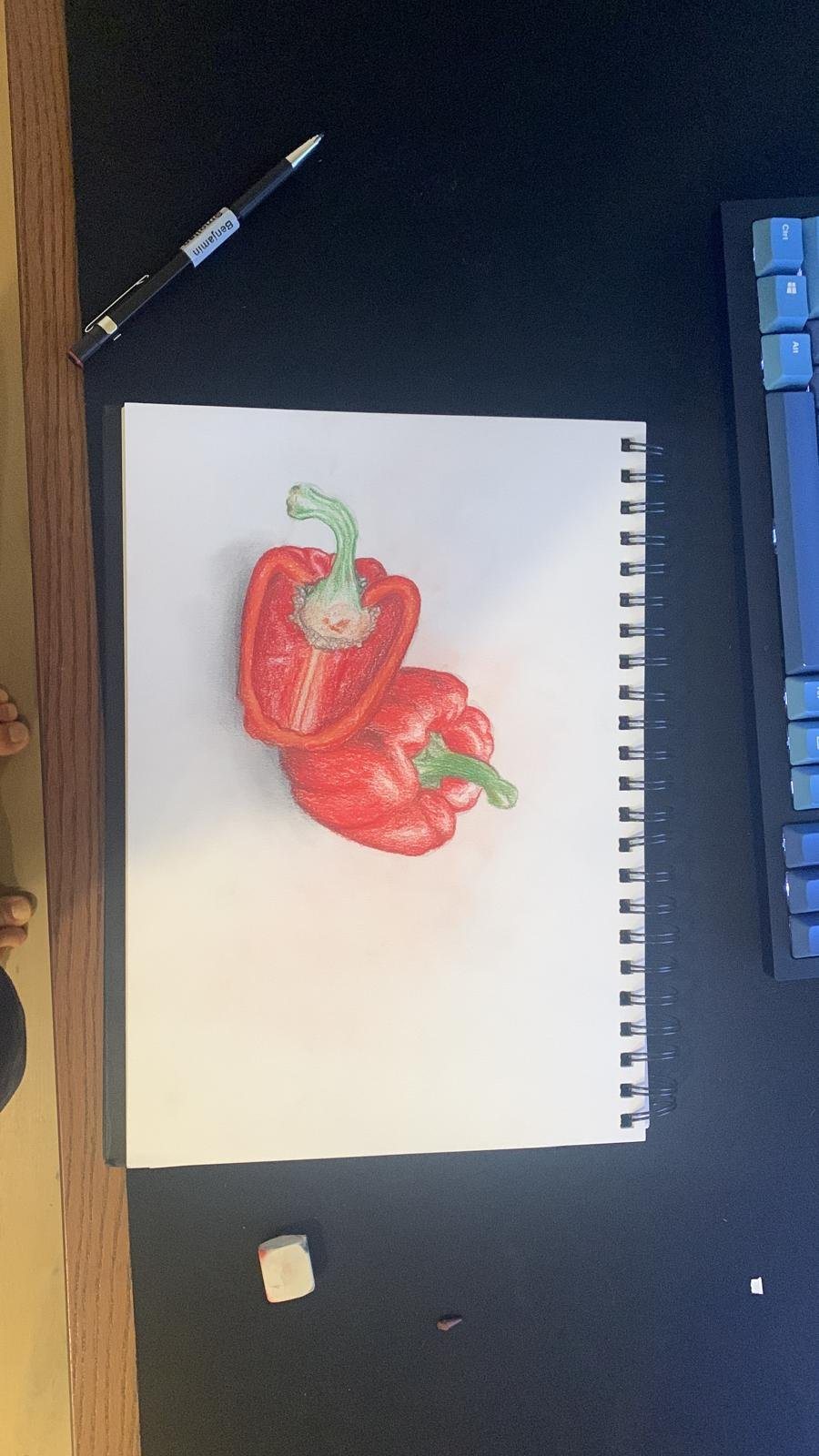
With the artwork above, I won regionally in the UK.
More of my art
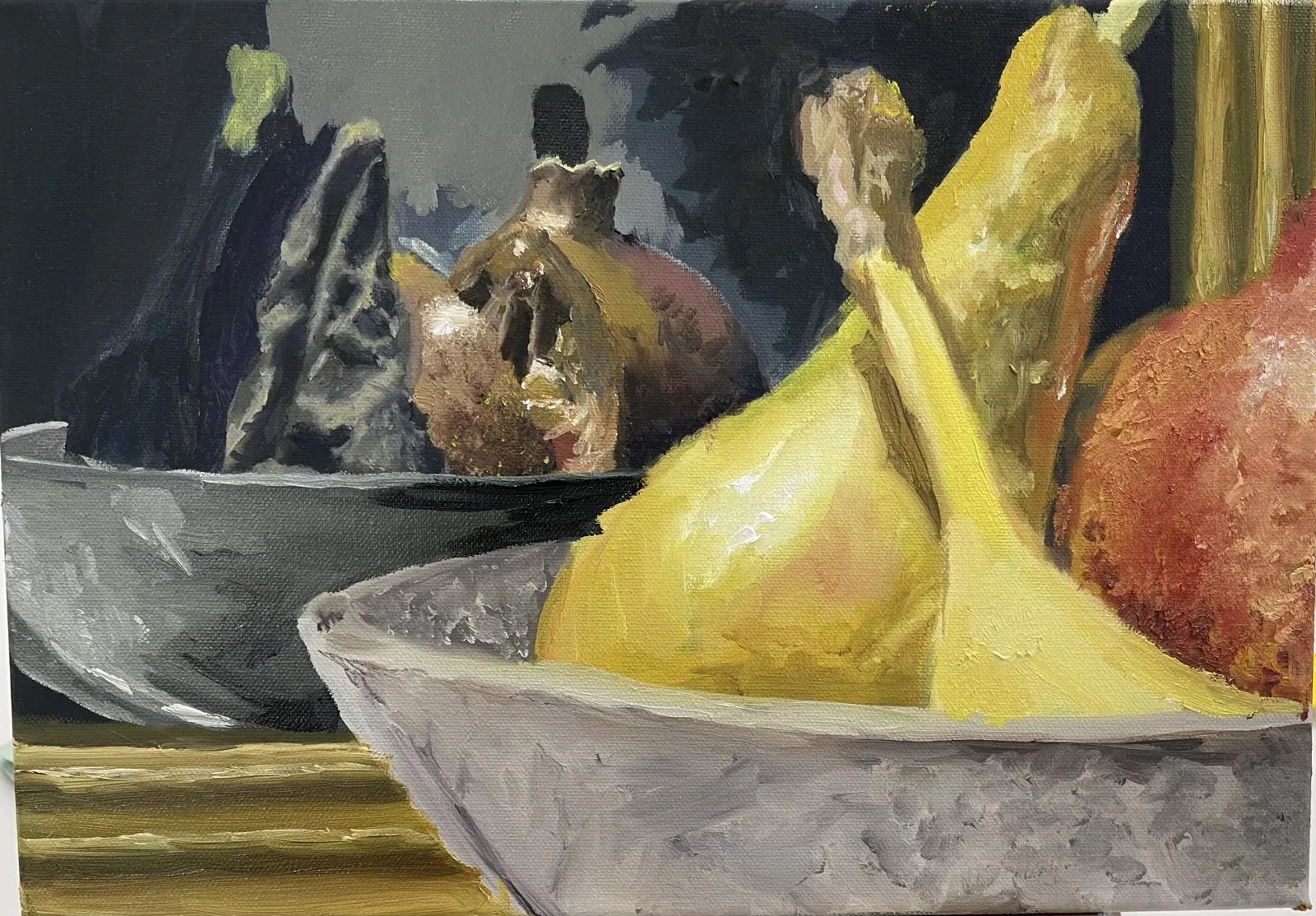
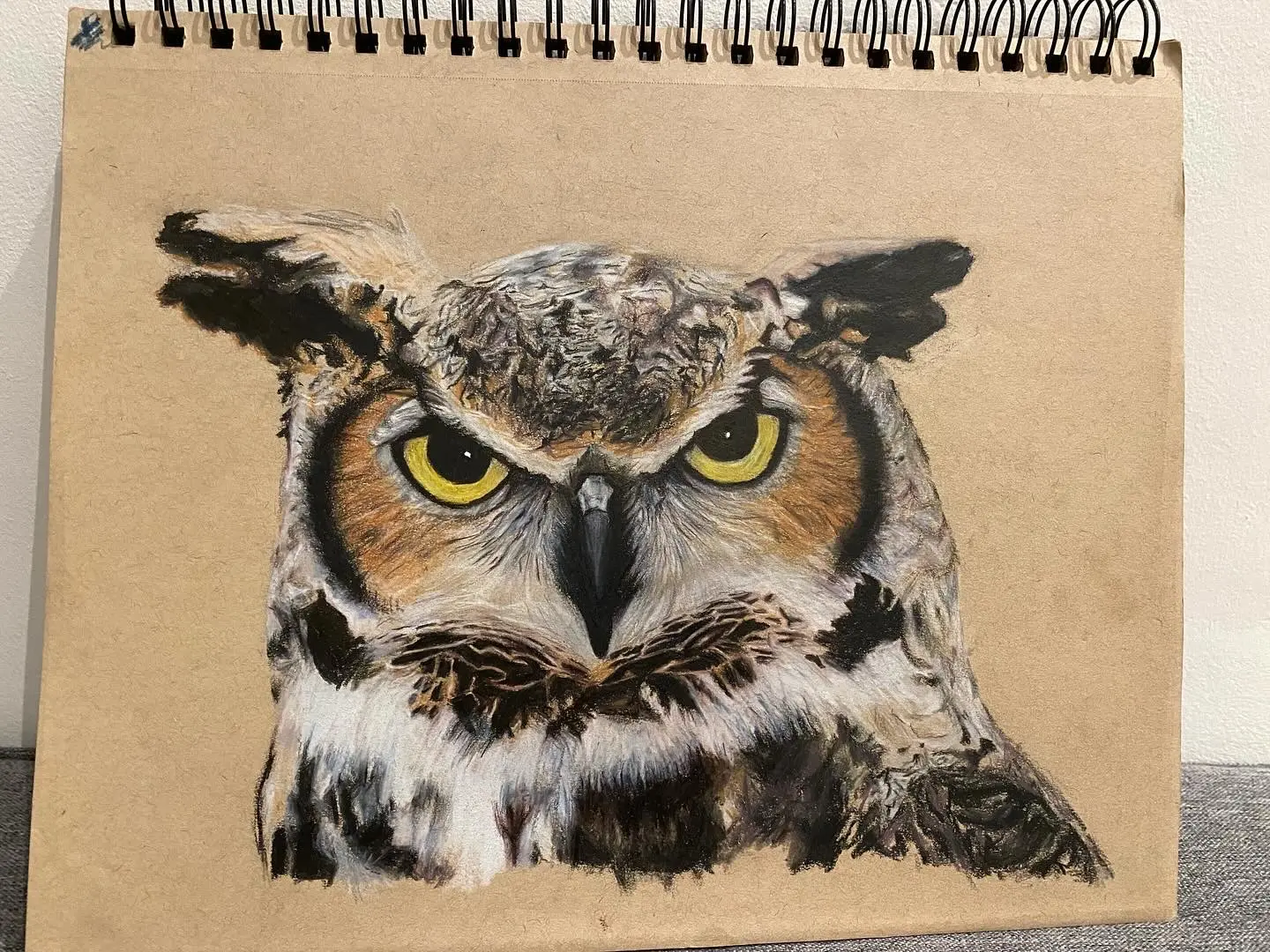
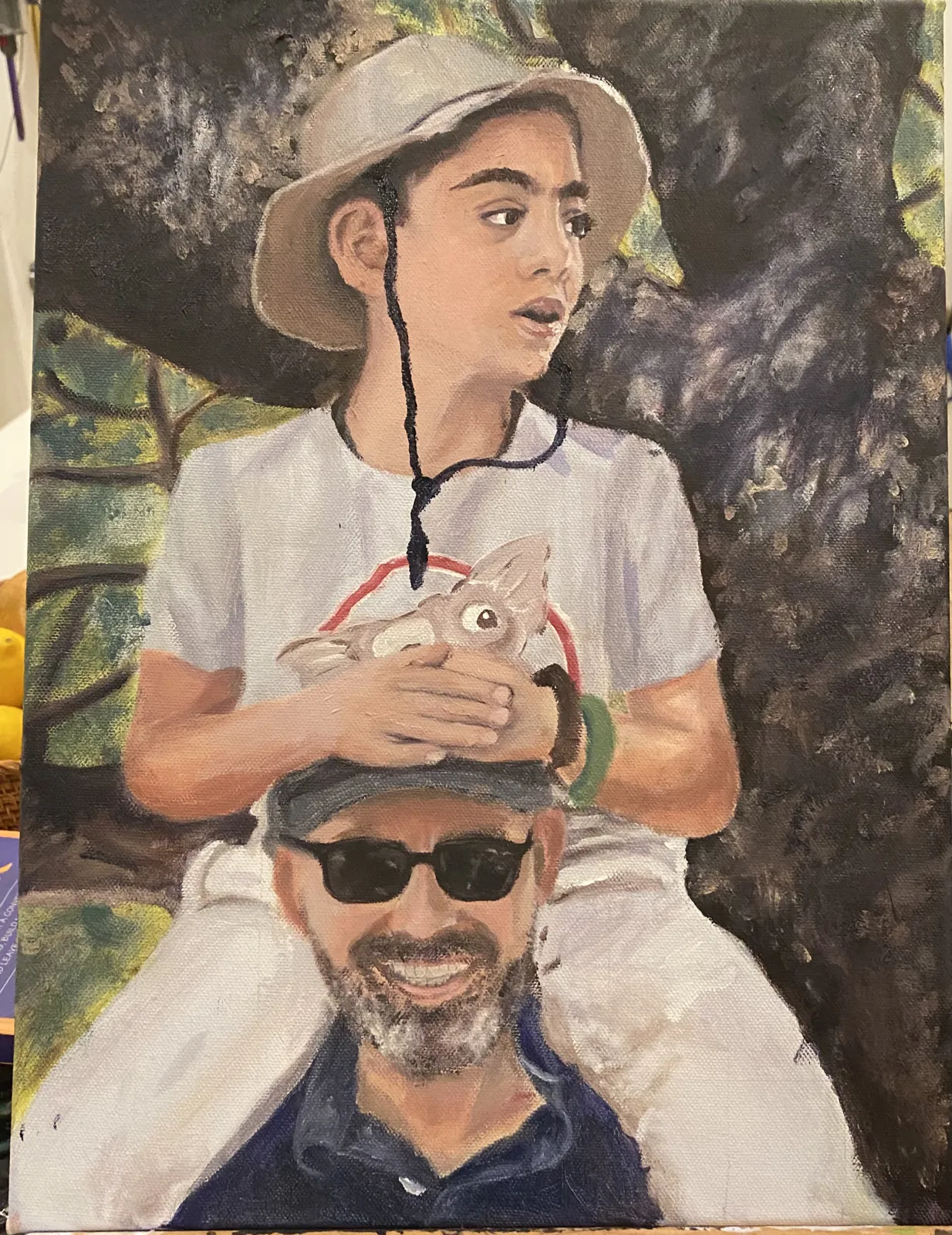
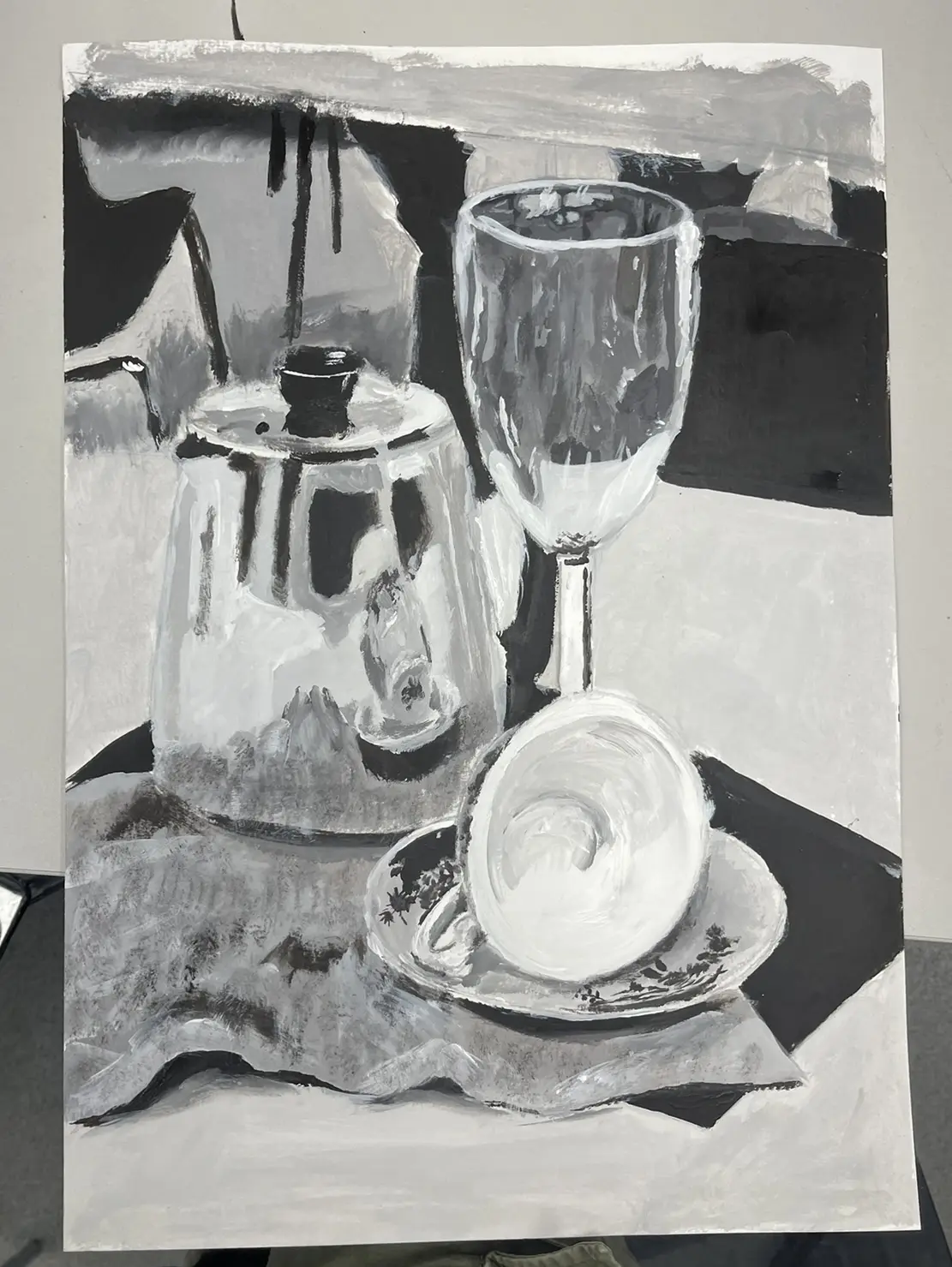
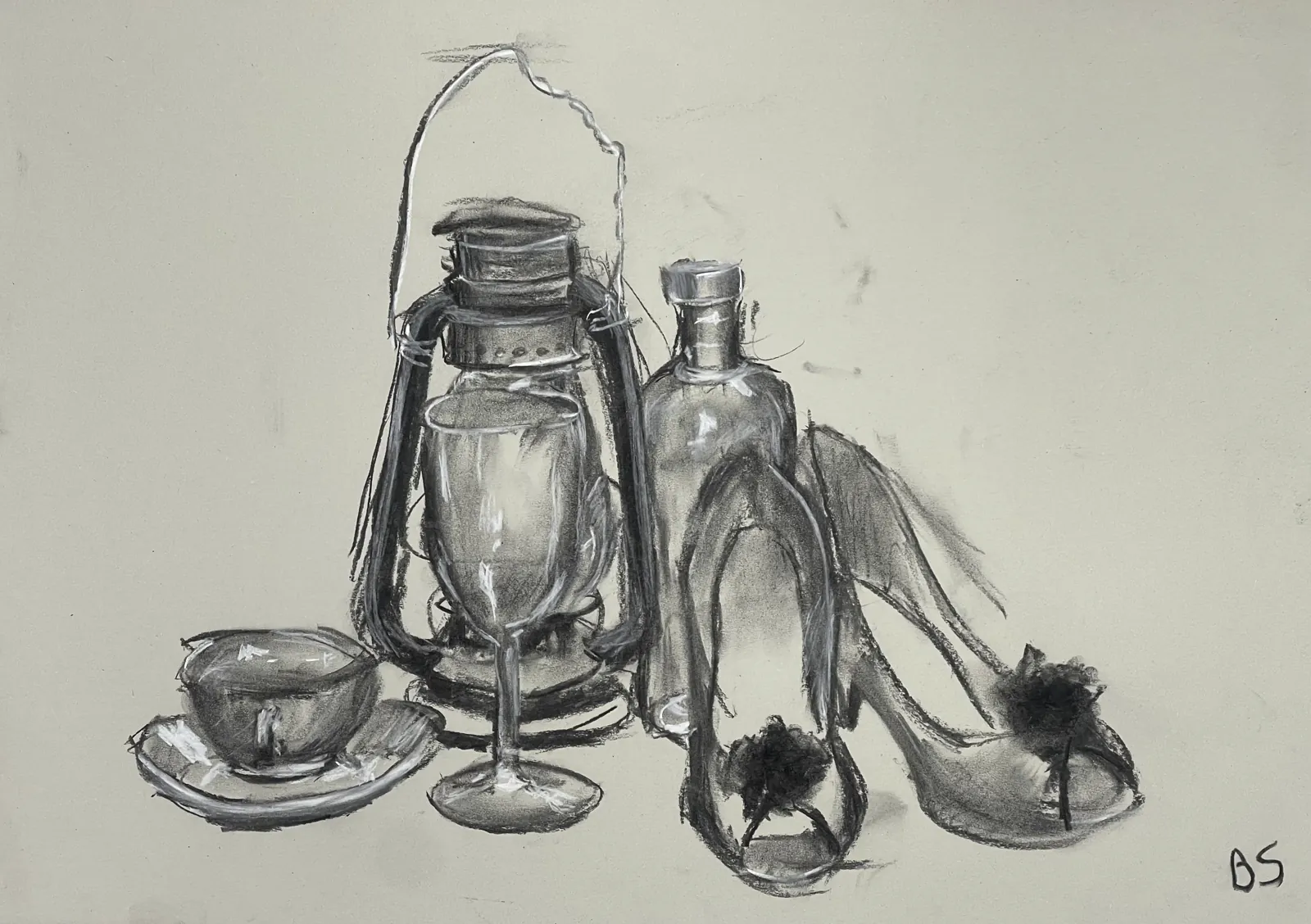
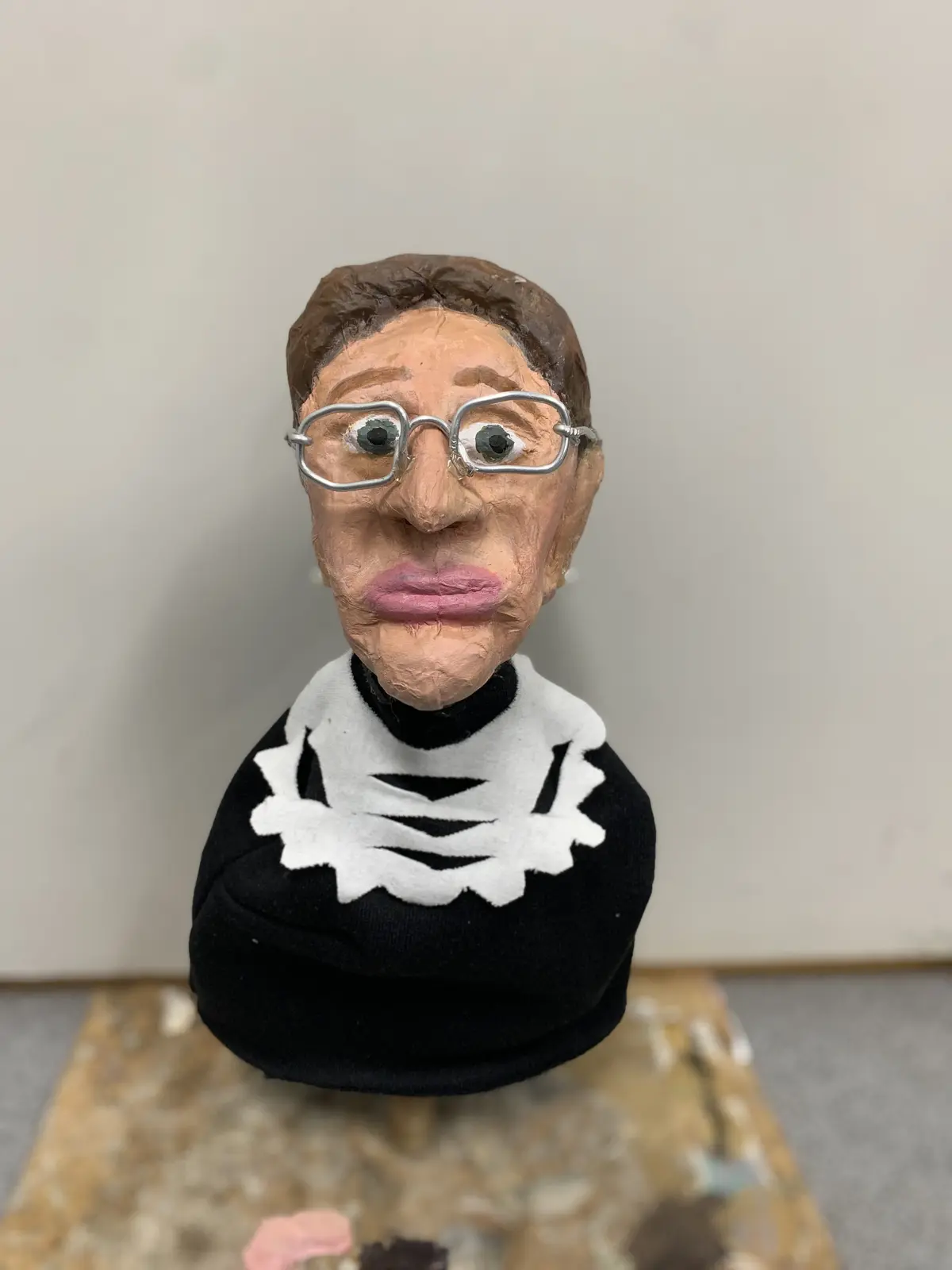
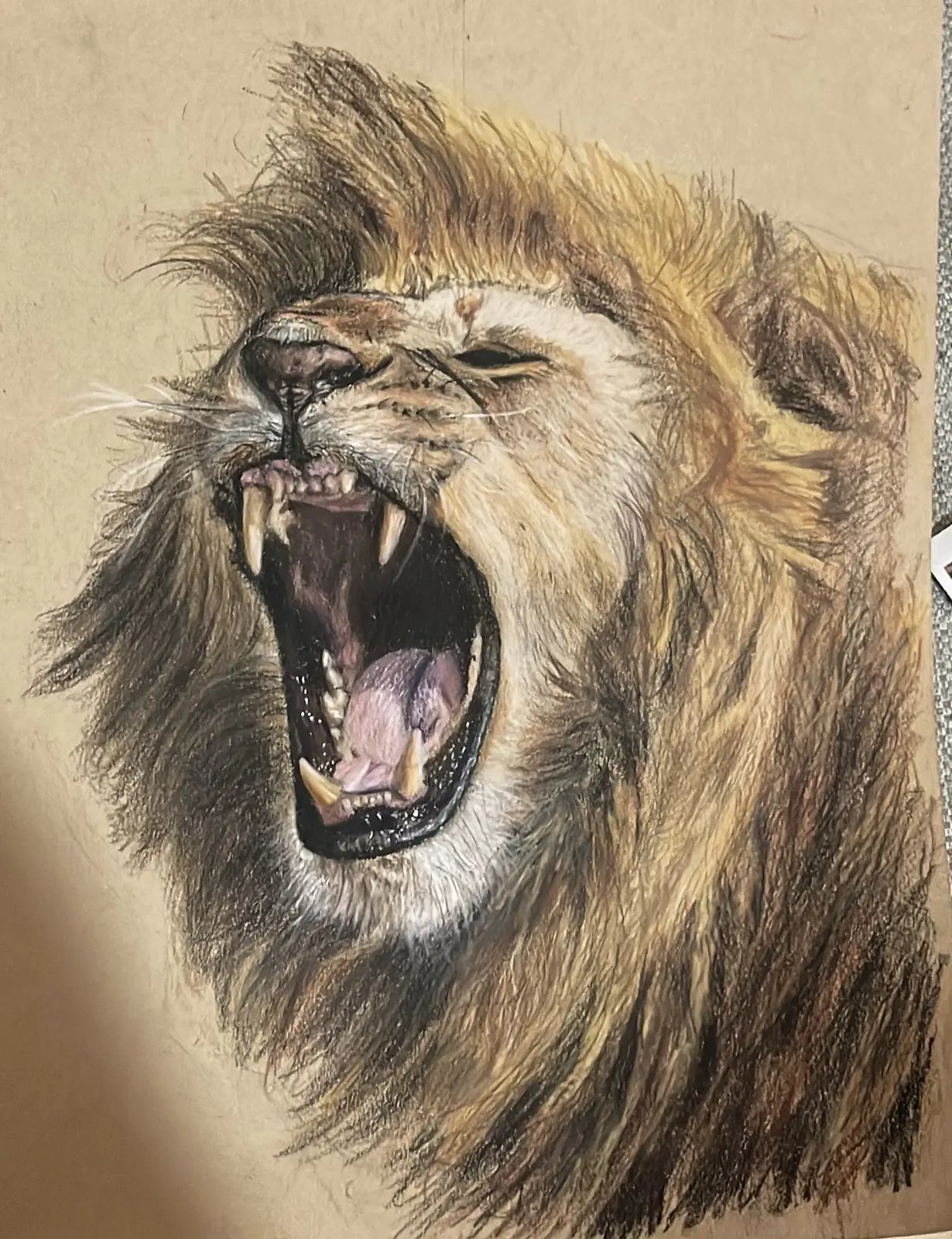
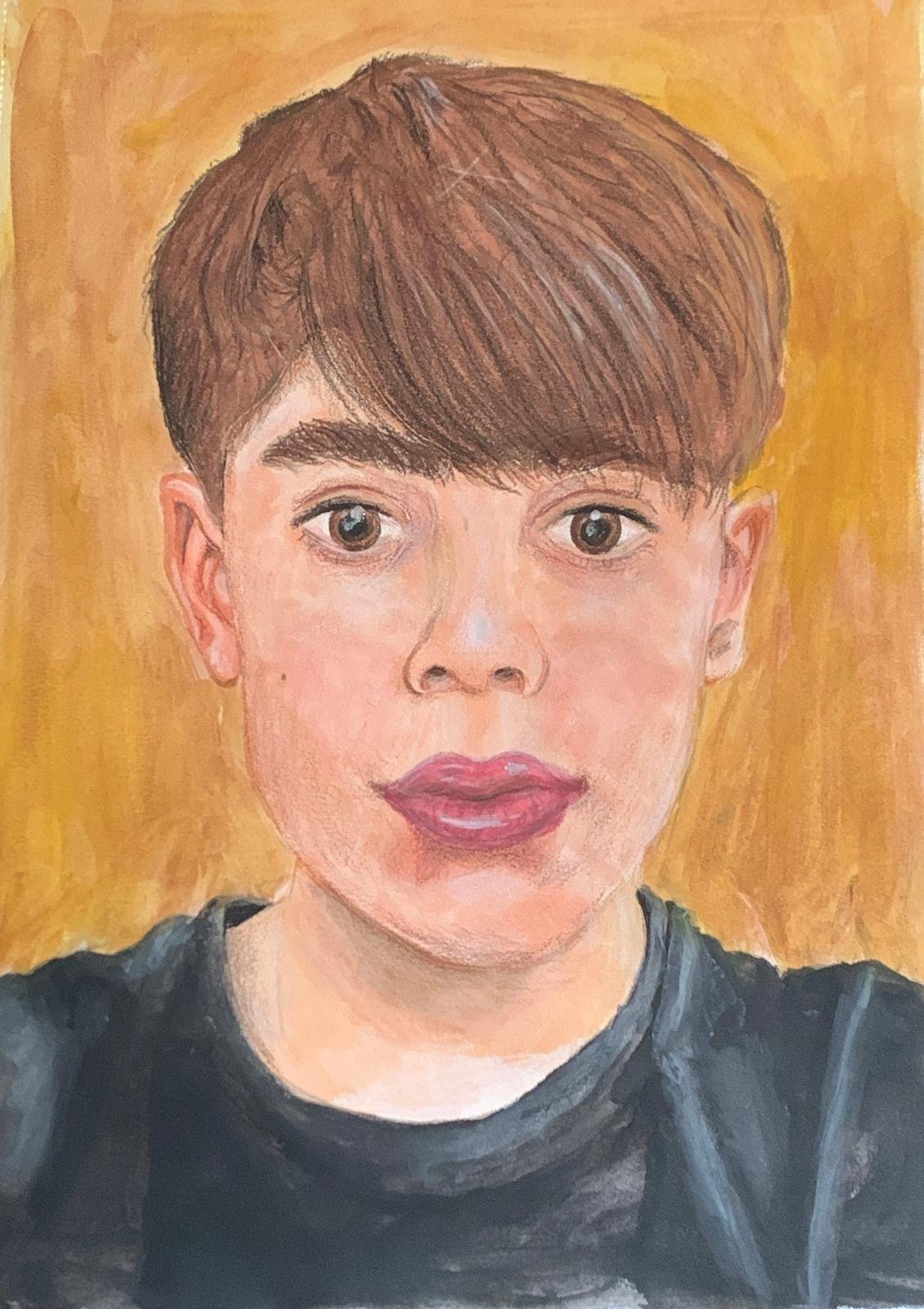
Through a number of different mediums, I've expressed myself through art. Additionally, I have also on numerous occasions monetized these artworks.
-
 01Placeholder
Acting
Stage roles and a documentary on Lincoln
Acting has taught me how to sell myself and a product!
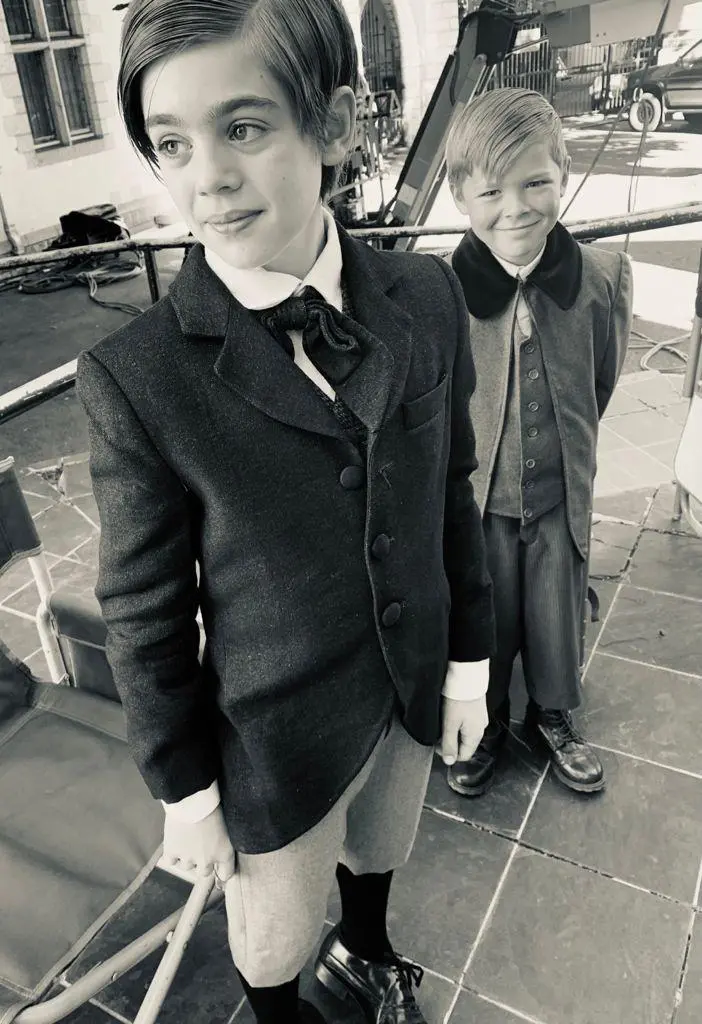
From a documentary on Abraham Lincoln, to major roles in stage performances, I've had a long standing background in acting.
Little Shop of Horrors
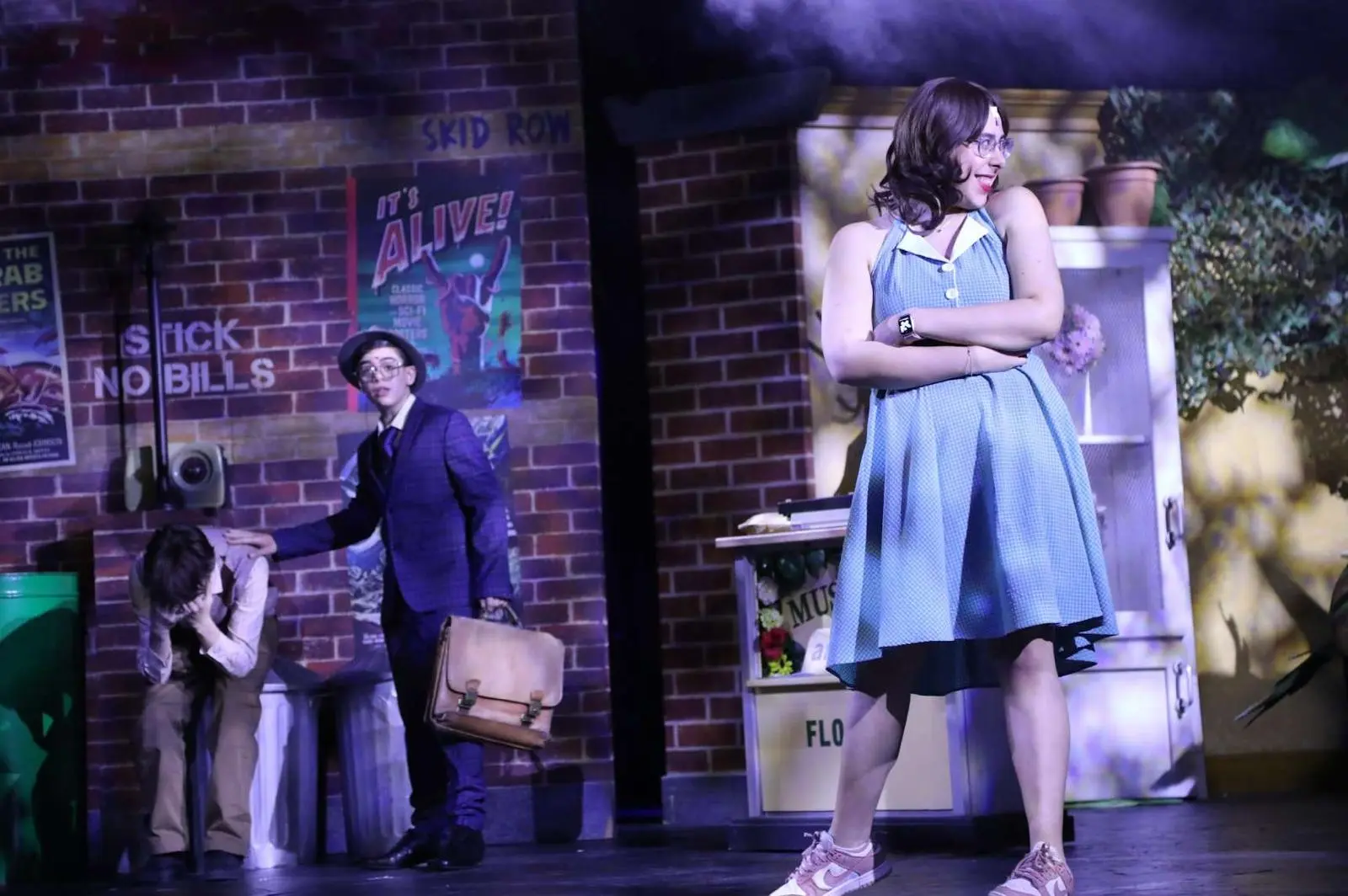
I played as Skip Snip, a major role in a production of Little Shop of Horrors.
Abraham Lincoln Documentary
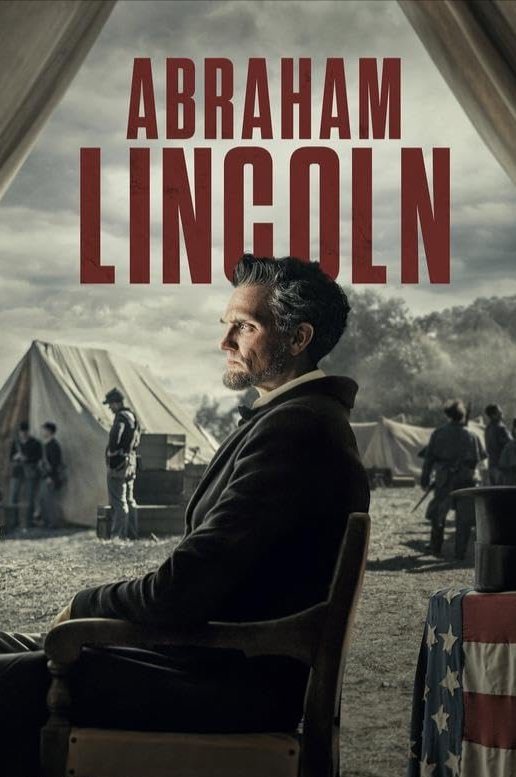
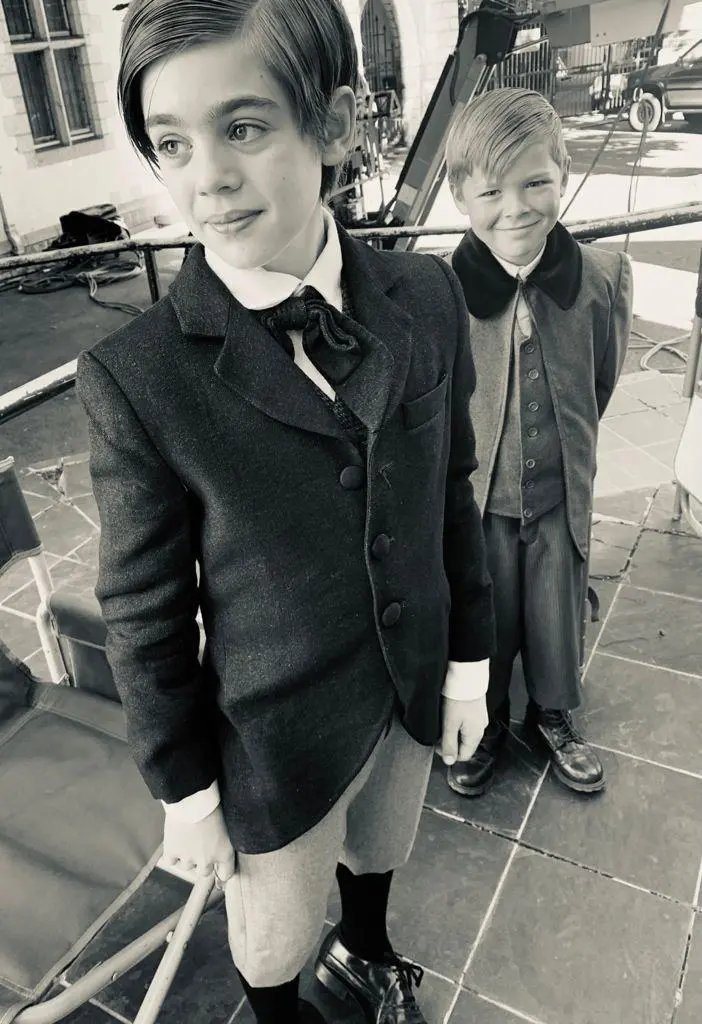
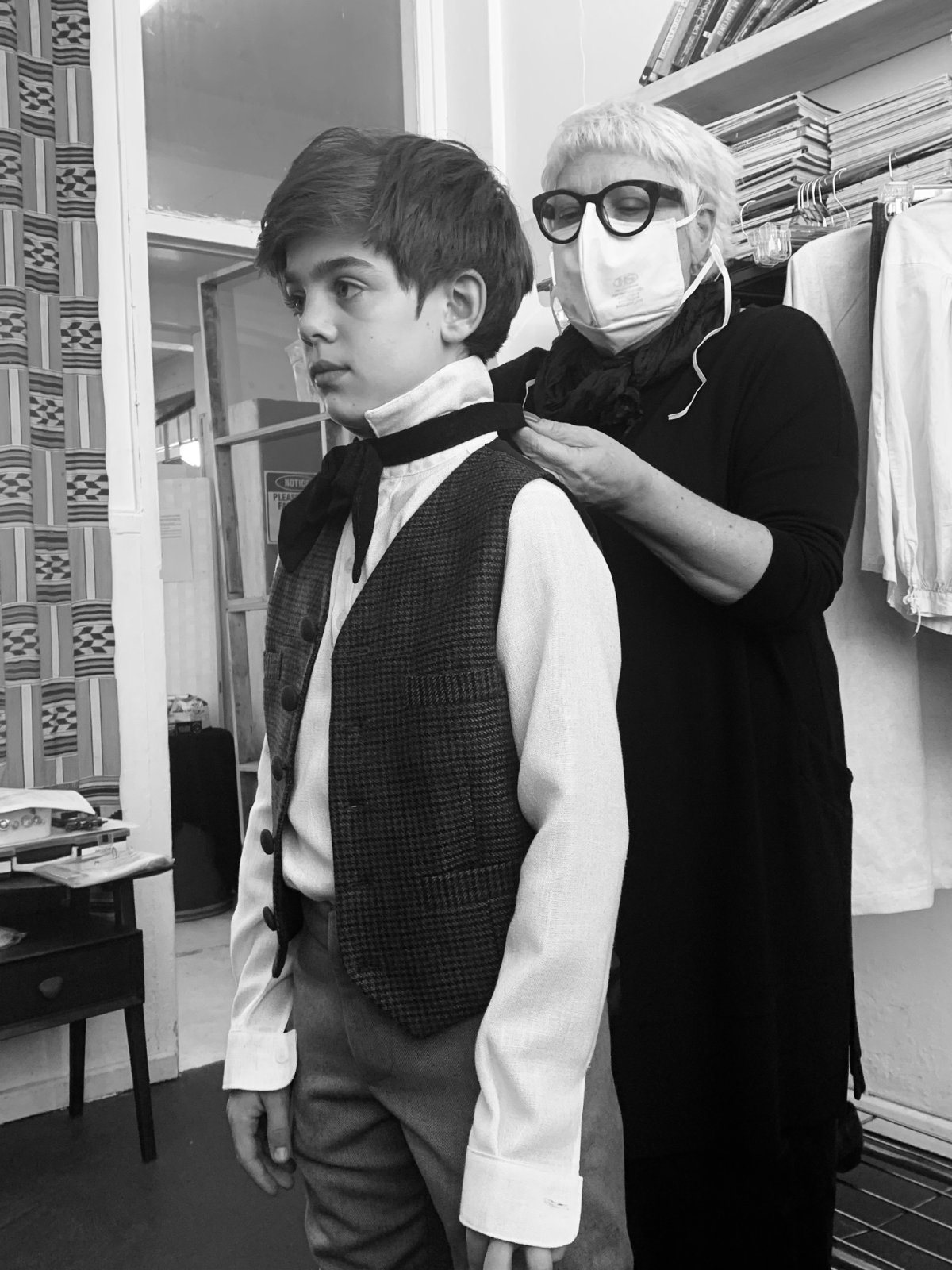
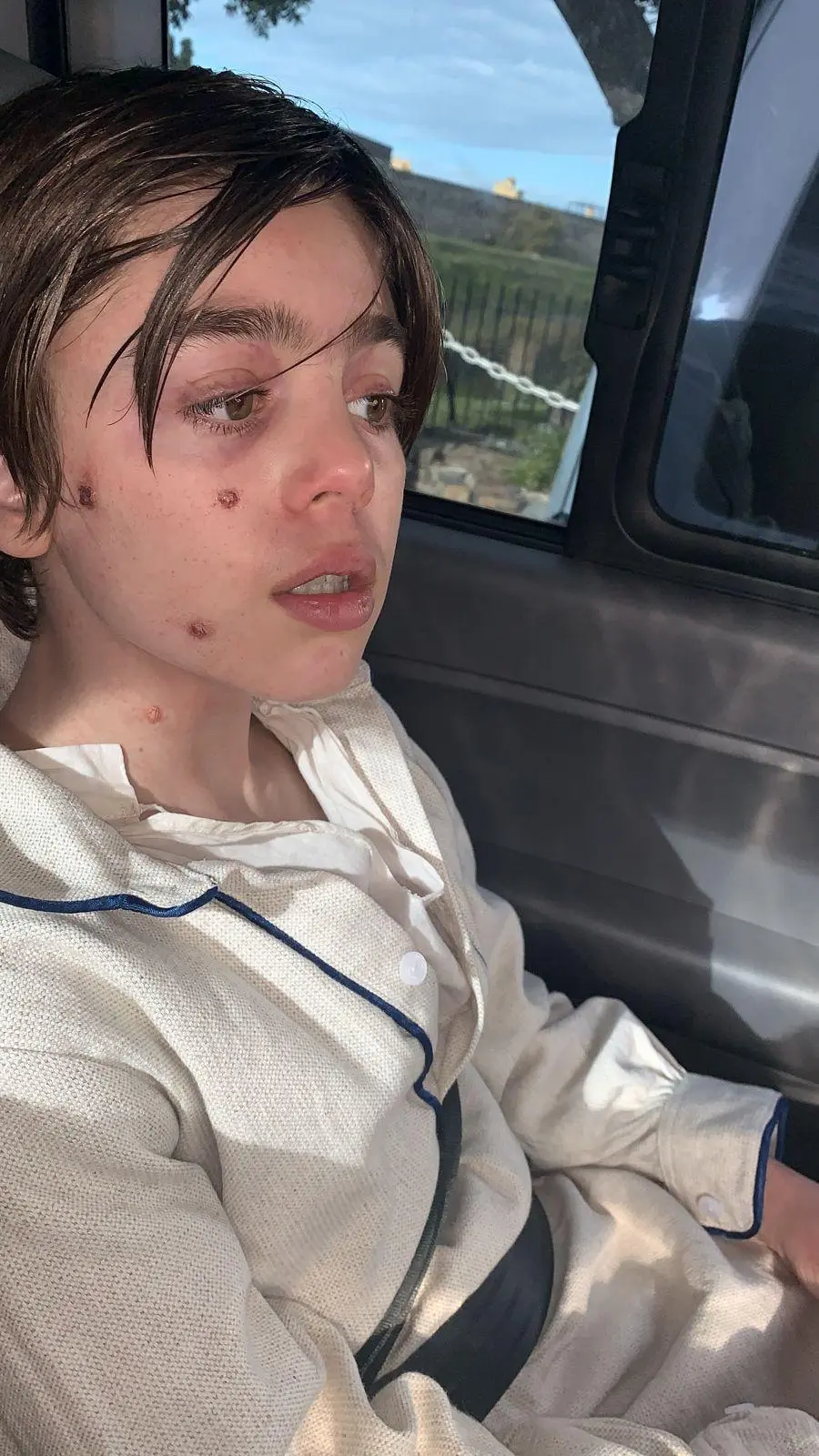
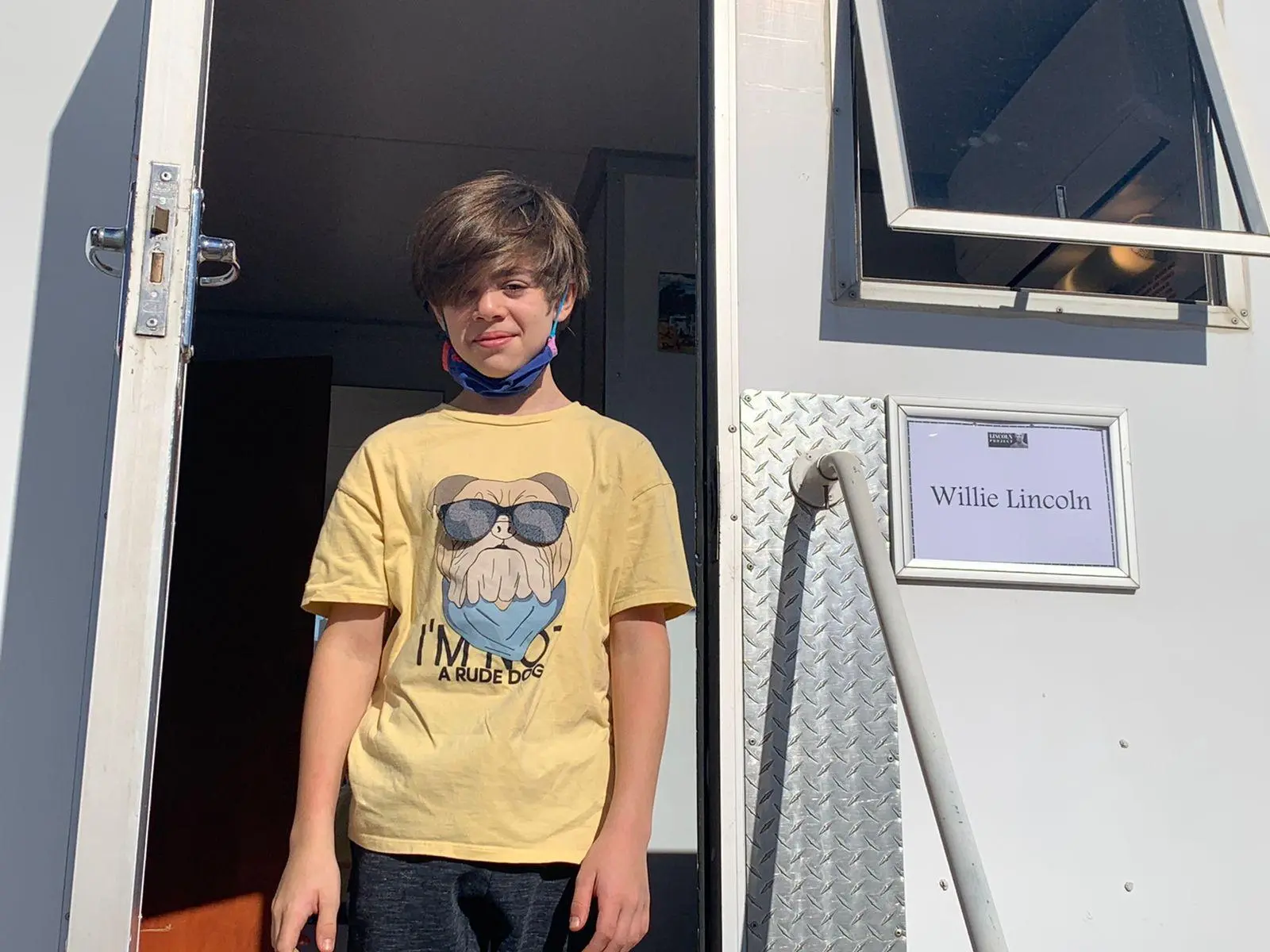
I played Willie Lincoln, Abraham Lincoln's son.
Experience
Where I've learnt
-
 Placeholder
Bocconi Strategy & Finance Summer School
Two weeks: case studies, VC funds and startup stages
I spent two weeks at the University of Bocconi studying strategy and finance. In the strategy section we did case studies into different businesses. This gave me great insight in the direction I wanted to take my own company into. In the finance section we took a deep look into how VC funds work and startup stages. This was useful as it is the space where I ultimately see myself.
-
 Placeholder
Entrepreneurship Summer School
Two weeks at the University of Oxford
I spent 2 weeks in the University of Oxford studying entrepreneurship. It gave me a taste for what entrepreneurship is like, and a foundation to build off of.
-
 Placeholder
Engineering Summer School
Two weeks at the University of Cambridge
I had the opportunity to spend two weeks in the University of Cambridge studying engineering. It was a thrilling experience. It introduced me to many people I'm still good friends with today.
A Great Memory
Waking up at 3 AM with my friends to look at the Moon and Sun through a telescope is a great memory I have from this course.
-
 Placeholder
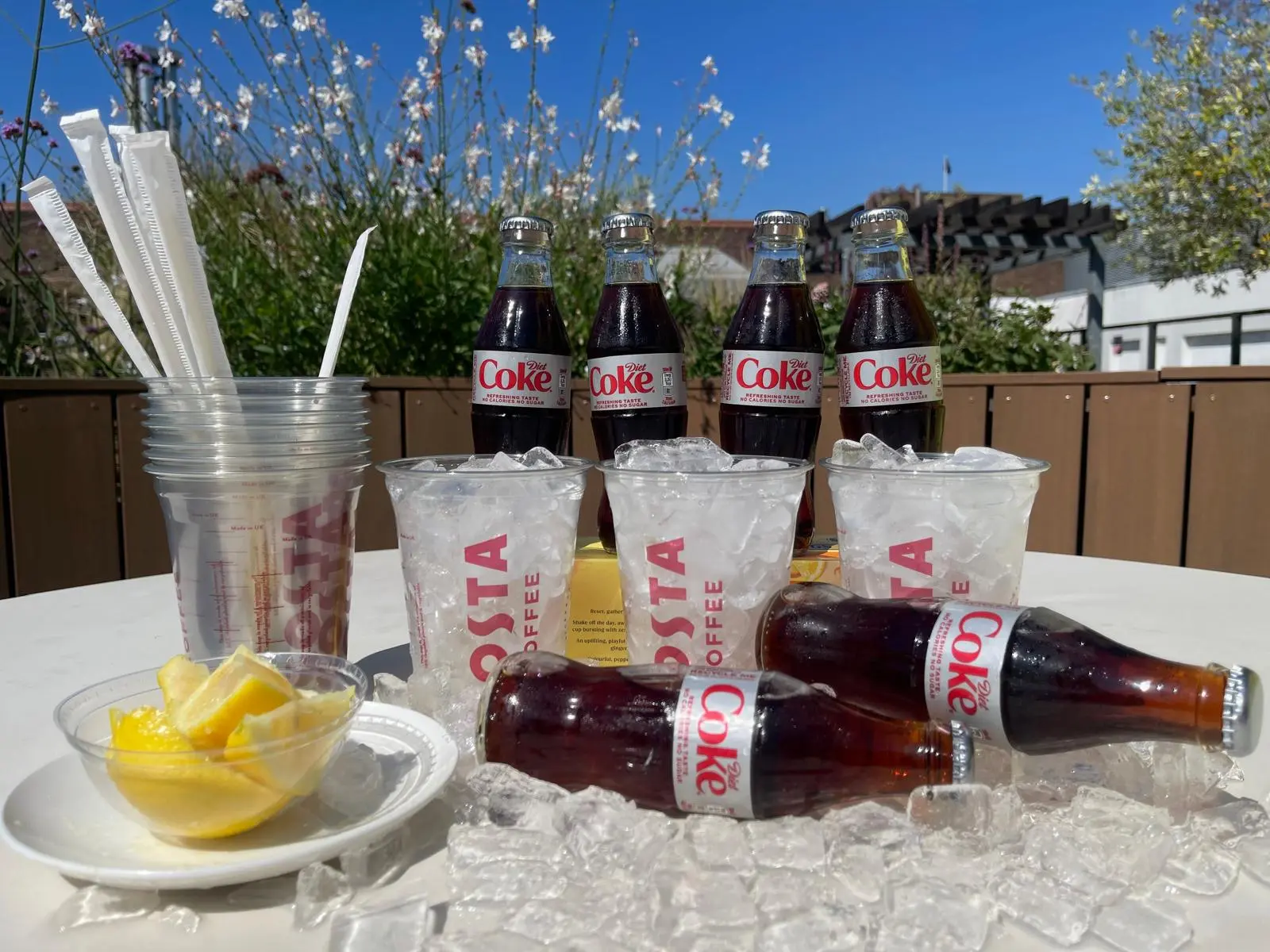
Coca Cola Internship
A week inside a large business
I spent a week at Coca Cola interning. Aside from the bottomless Coca Cola beverages we had access to, it was a great insight into corporate tasks as well as the structure of such a large business.